Golden Triangle Tour Packages
Delhi Agra Jaipur Tour Information
What is Golden Triangle?
Golden color is symbolic of luxury and importance. Thus the "golden age" refers to the period which is full of prosperity. So far as tours are concerned this epithet is used with the destinations which are of prime importance, These destinations if are 2 in numbers, they are popularised as "Golden Duo" Incase they are 3 and located in a triangular shape they are called Golden Triangle.
Golden Triangle Tour – Explore Delhi, Agra and Jaipur
India's Golden Triangle is one of the country's most rewarding travel routes for first-time visitors. The classic journey connects Delhi, Agra and Jaipur, three cities that reveal very different sides of North India through historic monuments, royal architecture, living traditions, colorful markets, local cuisine and everyday culture.
A well-planned Golden Triangle Tour lets you experience India's modern capital, stand before the Taj Mahal in Agra, and discover the forts and palaces of Jaipur within one relatively compact itinerary. The route can be completed in a few days, but adding extra nights gives you more time for local experiences and less time rushing between attractions.
The Golden Triangle is particularly suitable for travelers visiting India for the first time because the three destinations complement one another. Delhi introduces India's long and layered history, Agra brings the Mughal heritage of the Taj Mahal and Agra Fort into focus, while Jaipur offers the distinctive architecture and traditions of Rajasthan.
At Same Day Tours, Golden Triangle itineraries can be arranged in different durations and styles, including private car tours, train-based journeys, luxury holidays and extended trips combining the Golden Triangle with destinations such as Ranthambore, Varanasi, Udaipur, Pushkar, Amritsar and Mathura-Vrindavan.
What Is the Golden Triangle of India?
The Golden Triangle of India is the popular tourist circuit connecting:
- Delhi – India's historic and contemporary capital
- Agra – home of the Taj Mahal and an important Mughal heritage city
- Jaipur – the famous Pink City of Rajasthan
These cities form a roughly triangular route on the map, which is why the journey is commonly called the "Golden Triangle."
The route is not a single fixed itinerary. You can travel Delhi → Agra → Jaipur, Delhi → Jaipur → Agra, or adapt the route according to your international flight, hotel location, available time and additional destinations.
For many international travelers, Delhi is the most convenient starting point because of its major international airport. However, a customized itinerary can begin in another city if your wider India journey makes that more practical.
Why Is the Golden Triangle So Popular?
The attraction of the Golden Triangle is not simply the number of monuments you can visit. Its strength is the contrast between the three destinations.
In a single journey, you can move from the busy streets and historic quarters of Delhi to the Mughal-era heritage of Agra and then into the royal world of Rajasthan in Jaipur.
Delhi: India's Historic Capital
Delhi combines several centuries of history with the atmosphere of a modern metropolitan city.
Depending on your interests and available time, sightseeing can include places such as:
- India Gate
- Humayun's Tomb
- Qutub Minar
- Red Fort
- Jama Masjid
- Raj Ghat
- Lotus Temple
- Rashtrapati Bhavan and the surrounding government district
- Old Delhi markets and streets
Delhi is also an excellent place to experience Indian food and everyday urban life. A morning in Old Delhi can feel completely different from an afternoon around New Delhi's broad avenues and historic monuments.
Travel tip: Do not try to see every attraction in Delhi during a short Golden Triangle itinerary. Selecting a few important sites according to your interests usually produces a much better experience than spending the entire day moving from monument to monument.
Agra: The City of the Taj Mahal
Agra is best known internationally for the Taj Mahal, but the city offers considerably more than one monument.
The Taj Mahal is the centerpiece of most Golden Triangle itineraries. Visitors can also explore:
- Agra Fort
- Mehtab Bagh
- Itmad-ud-Daulah's Tomb
- Akbar's Tomb at Sikandra
- Agra's traditional marble-inlay craftsmanship
- Local markets and food
A knowledgeable local guide can make a substantial difference in Agra because the city's monuments are connected to Mughal history, architecture, craftsmanship and the development of the region.
For travelers interested in photography, architecture or history, spending at least one night in Agra can also make the itinerary more comfortable. It gives you the opportunity to visit the Taj Mahal at a suitable time without treating Agra as merely a stop between Delhi and Jaipur.
Jaipur: The Pink City
Jaipur introduces a completely different architectural and cultural character.
The city is associated with Rajasthan's royal heritage and is known for attractions including:
- Amber Fort
- City Palace
- Hawa Mahal
- Jantar Mantar
- Jal Mahal
- Albert Hall Museum
- Jaipur's historic markets
Jaipur is also a destination for experiencing Rajasthan beyond its monuments. Visitors can explore traditional textiles, jewelry, handicrafts, local cuisine and historic neighborhoods.
A longer stay allows you to experience Jaipur at a more relaxed pace and explore attractions that are difficult to fit into a short itinerary.
How Many Days Do You Need for a Golden Triangle Tour?
There is no single ideal duration for everyone.
Your best itinerary depends on whether your priority is seeing the major monuments quickly, traveling at a relaxed pace, experiencing local culture, or adding destinations outside the classic circuit.
3 Days – Fast Golden Triangle Tour
A 3-day Golden Triangle Tour is possible for travelers with limited time.
A typical trip focuses on the major highlights of Delhi, Agra and Jaipur. Because the schedule is tight, sightseeing needs to be carefully organized and road or train travel must be planned efficiently.
This option works best for travelers who want a quick introduction rather than an in-depth exploration.
4 Days – A Better Short Trip
Four days provide more breathing room.
You can allocate time to the principal attractions of Delhi, visit the Taj Mahal and Agra Fort, and explore Jaipur's major landmarks without making every hour of the trip feel rushed.
For many first-time visitors with limited vacation time, four days is a practical compromise between sightseeing and travel time.
5 Days – Comfortable for First-Time Visitors
A 5-day Golden Triangle Tour is a particularly useful option when you want more than a checklist of monuments.
Additional time can be used for:
- Longer sightseeing sessions
- Local markets
- Food experiences
- Photography
- Cultural activities
- A more relaxed transfer between cities
- Additional attractions in Agra or Jaipur
6–7 Days – A More Relaxed Experience
With six or seven days, the Golden Triangle becomes much more flexible.
You can spend additional nights in Delhi, Agra or Jaipur and consider adding experiences or nearby destinations.
This duration is particularly suitable for travelers who prefer private travel, cultural activities, comfortable hotels and less hurried sightseeing.
Golden Triangle Tour at a Glance
| Destination | What Makes It Special | Typical Highlights |
|---|---|---|
| Delhi | Capital, history and diverse culture | Red Fort, Qutub Minar, Humayun's Tomb, India Gate, Old Delhi |
| Agra | Mughal heritage and the Taj Mahal | Taj Mahal, Agra Fort, Mehtab Bagh, Itmad-ud-Daulah |
| Jaipur | Rajput architecture and Rajasthan culture | Amber Fort, City Palace, Hawa Mahal, Jantar Mantar, markets |
Delhi, Agra and Jaipur: What Makes the Route Different?
One reason the Golden Triangle works so well is that the three cities are not simply three versions of the same destination.
Delhi gives you the broadest historical timeline and the atmosphere of a major modern Indian city.
Agra places Mughal architecture at the center of the experience, with the Taj Mahal as its most famous landmark.
Jaipur shifts the story toward Rajasthan's royal heritage, fortified architecture, colorful markets and traditional arts.
Together, they create a journey through different periods, architectural traditions and cultural environments.
Is the Golden Triangle Suitable for First-Time Visitors to India?
Yes. In fact, it is one of the easiest Indian circuits to consider for a first visit because the destinations are well established on the tourism route and offer a wide choice of hotels, transportation, guides and sightseeing experiences.
It can also be customized for different types of travelers.
For Couples
Couples may prefer a private vehicle, comfortable hotels, a Taj Mahal sunrise visit, relaxed sightseeing and carefully selected dining experiences.
For Families
Families generally benefit from shorter sightseeing sessions, comfortable transfers, child-friendly hotels and an itinerary that avoids excessive travel on consecutive days.
For Senior Travelers
A slower itinerary with private transportation, centrally located accommodation, fewer attractions per day and planned rest periods can make the journey considerably more comfortable.
For Photographers
Photography-focused travelers may want to spend additional time at the Taj Mahal, Agra Fort, Jaipur's historic architecture and selected viewpoints rather than trying to cover too many attractions.
For Luxury Travelers
Luxury itineraries can include higher-category hotels, private transportation, experienced guides, fine dining and specially arranged cultural experiences.
For Budget Travelers
The same route can also be completed economically by choosing practical hotels, shared or efficient transportation options and a carefully prioritized sightseeing plan.
Should You Book a Private or Group Golden Triangle Tour?
The right choice depends on your priorities.
A private Golden Triangle Tour gives you greater control over departure times, sightseeing pace, restaurants, hotels and additional stops. It is particularly useful for families, couples and travelers with specific interests.
A group tour can be more economical and provides the opportunity to travel with other visitors, but usually offers less flexibility.
For travelers visiting India for the first time, private transportation with local guides can also make the experience easier because the itinerary can be adjusted when traffic, weather or personal preferences affect the day's schedule.
Can the Golden Triangle Be Customized?
Yes. The classic Delhi–Agra–Jaipur route can serve as the foundation for a much longer India itinerary.
Popular extensions include:
- Golden Triangle with Ranthambore
- Golden Triangle with Varanasi
- Golden Triangle with Udaipur
- Golden Triangle with Pushkar
- Golden Triangle with Amritsar
- Golden Triangle with Mathura and Vrindavan
- Golden Triangle with Khajuraho
- Golden Triangle with Goa
- Golden Triangle with Kashmir
- Golden Triangle with Haridwar and Rishikesh
Golden Triangle Tour Comparison: 2, 3, 4, 5, 6 or 7 Days
Not sure how many days you need for a Golden Triangle Tour? The right duration depends on how much time you have and how quickly you want to travel. A 2-day trip is possible for travellers with very limited time, while 4–5 days is generally more comfortable for a first visit. Six or seven days allows you to slow down and add more sightseeing or nearby experiences.
| Duration | Typical route | Best for | Travel pace | Recommended? |
|---|---|---|---|---|
| 2 Days | Delhi – Agra – Delhi/Jaipur | Very limited time | Very fast | ★★★ |
| 3 Days | Delhi – Agra – Jaipur | Short holiday | Fast | ★★★★ |
| 4 Days | Delhi – Agra – Jaipur | First-time visitors | Moderate | ★★★★★ |
| 5 Days | Delhi – Agra – Jaipur | Comfortable sightseeing | Relaxed | ★★★★★ |
| 6 Days | Delhi – Agra – Jaipur + extra experiences | Travellers wanting more time | Relaxed | ★★★★★ |
| 7 Days | Delhi – Agra – Jaipur + extensions/experiences | Slow-paced or extended trip | Very relaxed | ★★★★★ |
2-Day Golden Triangle Tour
A 2-day itinerary is designed for travellers who have very little time. It is possible to cover the major highlights, but sightseeing will be fast and there is little room for unexpected delays.
Best for: travellers with a very short stopover or limited holiday time.
Main highlights: Delhi highlights, Taj Mahal, Agra Fort and selected Jaipur sightseeing depending on the route and departure arrangements.
Travel pace: Very fast.
3-Day Golden Triangle Tour
Three days gives you a compact introduction to Delhi, Agra and Jaipur. It is a popular option for travellers who want to visit the three cities without taking a full week.
Best for: short holidays and travellers who are comfortable with early starts and relatively long travel days.
Main highlights: Delhi sightseeing, Taj Mahal and Agra Fort, Jaipur's major attractions.
Travel pace: Fast.
4-Day Golden Triangle Tour
Four days is one of the best choices for a first-time Golden Triangle visit. It gives you more time to explore each destination without making every day excessively rushed.
Best for: first-time visitors, couples, families and international travellers.
Main highlights: Delhi sightseeing, Taj Mahal at Agra, Agra Fort and Jaipur's major attractions.
Travel pace: Moderate.
5-Day Golden Triangle Tour
A five-day itinerary provides a more comfortable experience than the shorter versions. You have additional time for sightseeing, photography, shopping and exploring the cities at a less hurried pace.
Best for: travellers who want comfort without extending the trip to a full week.
Main highlights: Delhi, Agra and Jaipur with more sightseeing time and optional experiences.
Travel pace: Relaxed.
6-Day Golden Triangle Tour
Six days is ideal if you want to explore the Golden Triangle in greater depth. The extra day can be used for additional attractions, local experiences, shopping or a more leisurely schedule.
Best for: families, photographers, culture-focused travellers and visitors who dislike rushed itineraries.
Main highlights: Delhi, Agra and Jaipur plus additional sightseeing or experiences.
Travel pace: Relaxed.
7-Day Golden Triangle Tour
A seven-day Golden Triangle itinerary is best for travellers who want to combine the classic route with additional experiences or nearby destinations. The extra time allows you to reduce long sightseeing days and enjoy the journey more comfortably.
Best for: slow travellers, families, luxury travellers and visitors wanting to add an extension.
Possible additions: Ranthambore, Mathura and Vrindavan, Pushkar, Udaipur or other destinations depending on the chosen itinerary.
Travel pace: Very relaxed.
Which Golden Triangle Tour Duration Is Best?
For most first-time visitors, 4 or 5 days is the best balance. Choose 3 days if your holiday is short, 6–7 days if you prefer a relaxed itinerary or want to add another destination, and 2 days only when your available time is extremely limited.
The best itinerary is not necessarily the longest one. It should allow enough time to experience Delhi, the Taj Mahal and Agra's heritage, and Jaipur's forts and palaces without spending the entire trip travelling between cities.
Same Day Tours currently offers a wide range of these extended itineraries alongside its standard Golden Triangle packages.
What Is the Best Way to Travel Between Delhi, Agra and Jaipur?
You can travel through the Golden Triangle by private car, train, or a combination of transportation methods.
For many visitors, a private car is the most flexible option because it allows sightseeing stops and door-to-door transfers between hotels.
Train travel can be useful when speed and avoiding road traffic are priorities.
The best choice depends on your budget, travel dates, luggage, group size and preferred style of travel.
Same Day Tours currently offers both road-based Golden Triangle itineraries and train-oriented options.
What Should You Expect From a Golden Triangle Tour?
The Golden Triangle is not a resort-style holiday. It is an active cultural journey.
Expect:
- Historic monuments
- Walking and standing during sightseeing
- Busy urban areas
- Local markets
- Different regional cuisines
- Traffic in major cities
- Warm weather during some seasons
- Opportunities to interact with local people
- Considerable variety from one city to the next
Planning realistic sightseeing days is therefore more important than simply adding as many attractions as possible.
A Better Way to Plan Your Golden Triangle Trip
Instead of beginning with the question "How many places can I visit?", begin with:
How do I want to experience India?
If you have only three days, prioritize the essential landmarks.
If you have five days, add cultural experiences and allow more time in each city.
If you have a week or more, consider extending the journey to another destination such as Ranthambore, Varanasi or Udaipur.
The strongest Golden Triangle itinerary is not necessarily the longest one. It is the itinerary that matches your available time, interests, travel style and budget.
Start Planning Your Golden Triangle Tour
Whether you are looking for a short Delhi Agra Jaipur Tour, a private Golden Triangle holiday, a luxury itinerary or a longer India journey, the route can be adapted around your travel plans.
Explore the available Golden Triangle itineraries below and compare the duration, transportation, accommodation and destinations included in each option.
Recommended Next Sections on This Page
- Golden Triangle Tour Packages
- 3 Days Golden Triangle Tour
- 4 Days Golden Triangle Tour
- 5 Days Golden Triangle Tour
- 6 Days Golden Triangle Tour
- 7 Days Golden Triangle Tour
- Golden Triangle Tour by Car
- Golden Triangle Tour by Train
- Luxury Golden Triangle Tour
- Golden Triangle Tour with Ranthambore
- Golden Triangle Tour with Varanasi
- Golden Triangle Tour with Udaipur
- Golden Triangle Tour with Mathura-Vrindavan
Golden Triangle Tour Itinerary: How to Plan Delhi, Agra and Jaipur
Planning a Golden Triangle Tour is easier when you understand how much time each city deserves and how the journey between destinations fits together. The classic circuit connects Delhi, Agra and Jaipur, but the number of nights you spend in each city can be adjusted according to your interests, arrival time, departure flight and overall travel pace.
There is no single "correct" Golden Triangle itinerary. A three-day trip can cover the major highlights, while five to seven days allow considerably more time for monuments, markets, food, photography and cultural experiences.
For most first-time visitors, 4 to 6 days is a useful range because it provides enough time to experience the three cities without turning every day into a race against the clock.
Golden Triangle Route at a Glance
The traditional route is:
Delhi → Agra → Jaipur
You can also travel in the opposite direction:
Delhi → Jaipur → Agra → Delhi
Your choice should depend on your arrival and departure arrangements.
Approximate Road Distances
| Route | Distance | Travel Time |
|---|---|---|
| Delhi to Agra | 220–240 km | 3–5 Hours |
| Agra to Jaipur | 230–250 km | 4–6 Hours |
| Jaipur to Delhi | 270–290 km | 5–6+ Hours |
| Delhi → Agra → Jaipur | 450–490 km | Excluding Local Sightseeing |
Distances and travel times are approximate rather than guaranteed. Road conditions, traffic, weather and sightseeing stops may change the actual journey time.
How Many Nights Should You Spend in Each City?
- Delhi: 1–2 Nights
- Agra: 1 Night
- Jaipur: 2 Nights
This distribution gives first-time visitors enough time to enjoy the principal attractions without rushing.
3-Day Golden Triangle Tour
Day 1 – Delhi Sightseeing → Agra
- India Gate
- Humayun's Tomb
- Qutub Minar
- Lotus Temple
- Red Fort
- Jama Masjid
- Old Delhi
Travel to Agra in the evening and stay overnight.
Day 2 – Taj Mahal → Agra Fort → Jaipur
- Sunrise at Taj Mahal
- Breakfast
- Agra Fort
- Optional Fatehpur Sikri
- Drive to Jaipur
Day 3 – Jaipur Sightseeing
- Amber Fort
- City Palace
- Hawa Mahal
- Jantar Mantar
4-Day Golden Triangle Tour
Day 1 – Delhi
- Qutub Minar
- Humayun's Tomb
- India Gate
- Old Delhi
- Red Fort
Day 2 – Delhi to Agra
- Taj Mahal
- Agra Fort
- Itmad-ud-Daulah
- Mehtab Bagh
Day 3 – Agra to Jaipur
Optional sunrise Taj Mahal visit before driving to Jaipur. Stop at Fatehpur Sikri if time allows.
Day 4 – Jaipur
- Amber Fort
- City Palace
- Jantar Mantar
- Hawa Mahal
5-Day Golden Triangle Tour
Day 1
Delhi arrival and sightseeing.
Day 2
Delhi to Agra – Visit Taj Mahal and Agra Fort.
Day 3
Agra to Jaipur with optional Fatehpur Sikri.
Day 4
- Amber Fort
- Jal Mahal
- City Palace
- Jantar Mantar
- Hawa Mahal
Day 5
Shopping, cultural experiences and departure.
6-Day Golden Triangle Tour
- Delhi Arrival
- Delhi Sightseeing
- Delhi → Agra
- Agra → Jaipur
- Jaipur Sightseeing
- Departure
7-Day Golden Triangle Tour
- Arrival in Delhi
- Old & New Delhi
- Delhi to Agra
- Full Day Agra
- Agra to Jaipur
- Jaipur Exploration
- Departure
Recommended Itineraries by Travel Style
| Traveller Type | Duration | Best For |
|---|---|---|
| Limited Time | 3 Days | Major Highlights |
| First-Time Visitor | 4–5 Days | Monuments & Local Experiences |
| Comfort Travel | 5–6 Days | Relaxed Sightseeing |
| Culture & Photography | 6–7 Days | Extra Time in All Cities |
| Luxury Holiday | 6–8 Days | Premium Hotels & Private Tours |
| Family Tour | 5–7 Days | Comfortable Transfers |
How Much Does a Golden Triangle Tour Cost?
The cost of a Golden Triangle Tour in India depends on the number of days, type of accommodation, vehicle, sightseeing arrangements, travel season, and the level of service you choose. The classic Golden Triangle route covers Delhi, Agra and Jaipur, and can be planned as a short 2-day trip or a more relaxed 7-day journey.
A private Golden Triangle tour generally costs more than travelling independently or joining a group, but it offers greater flexibility. You can choose your departure time, sightseeing pace, hotels, vehicle category and optional experiences according to your preferences.
Typical Golden Triangle Tour Cost
As a general guide, the approximate cost for a private Golden Triangle trip can vary as follows:
| Tour style | Approximate cost* | Usually suitable for |
|---|---|---|
| Budget | $40–$80 per person/day | Budget-conscious travellers |
| Mid-range | $70–$130 per person/day | Most first-time visitors |
| Premium | $120–$200 per person/day | Travellers wanting better hotels and services |
| Luxury | $200+ per person/day | Luxury hotels, premium vehicles and experiences |
*These are indicative planning ranges, not fixed package prices. The actual price depends on travel dates, number of travellers, hotel category, vehicle type, inclusions and customization.
What Is Usually Included in a Golden Triangle Tour?
Depending on the package you select, your tour may include:
- Private air-conditioned vehicle
- Professional English-speaking or multilingual guides
- Hotel accommodation
- Daily breakfast when included in the selected package
- Airport, railway-station or hotel transfers
- Sightseeing in Delhi, Agra and Jaipur
- Driver and vehicle expenses
- Toll taxes, parking and fuel
- Assistance during the tour
- Customization according to your travel plans
Entrance tickets to monuments, meals other than those specifically mentioned, personal expenses and optional activities may be charged separately depending on the package.
What Affects the Price of a Golden Triangle Tour?
1. Number of travellers:
The per-person cost normally becomes lower when two or more people share a private vehicle and guide.
2. Tour duration:
A 2- or 3-day Golden Triangle trip requires fewer hotel nights and service days, while a 5-, 6- or 7-day itinerary provides more time for sightseeing and additional experiences.
3. Hotel category:
Budget hotels, comfortable 3-star properties, heritage hotels and luxury 4- or 5-star hotels can produce significantly different package prices.
4. Vehicle type:
A private sedan is economical for couples or small groups. Larger vehicles are more appropriate for families and groups travelling with more luggage.
5. Travel season:
Hotel prices can be higher during popular travel periods, festivals and peak holiday dates. Winter is particularly popular for the Golden Triangle because temperatures are generally more comfortable for sightseeing.
6. Guide and sightseeing requirements:
A tour with professional guides in all three cities will cost more than a self-guided trip, but it can make sightseeing considerably easier, especially for first-time visitors.
7. Custom experiences and extensions:
Adding destinations such as Ranthambore, Varanasi, Udaipur, Pushkar or Amritsar increases the duration and overall cost.
How Much Should You Budget?
For many international visitors, a 4- or 5-day private Golden Triangle Tour provides a good balance between price, sightseeing and comfort. A shorter trip is possible when time is limited, while a 6- or 7-day itinerary is better for travellers who prefer a relaxed pace or want to include additional experiences.
Rather than choosing a tour solely on the lowest advertised price, compare what is actually included. A very low price may exclude hotels, monument tickets, guides, transfers or other services that you may need to purchase separately.
Tip: When comparing Golden Triangle tour packages, check the hotel category, vehicle type, sightseeing inclusions, guide services, entrance fees, meals, transfers and any additional charges before making a booking.
Delhi → Agra → Jaipur or Delhi → Jaipur → Agra?
Delhi → Agra → Jaipur
This is the classic Golden Triangle route and is ideal for travelers whose main highlight is the Taj Mahal before exploring Rajasthan.
Delhi → Jaipur → Agra
This route is suitable if your Rajasthan journey begins in Jaipur or if you prefer finishing near Delhi before your international flight.
What Should You See in Delhi?
History Lovers
- Qutub Minar
- Humayun's Tomb
- Red Fort
- Old Delhi
- Raj Ghat
Architecture Lovers
- India Gate
- Rashtrapati Bhavan
- Lotus Temple
Culture & Food
- Chandni Chowk
- Street Food
- Local Markets
What Should You See in Agra?
- Taj Mahal
- Agra Fort
- Itmad-ud-Daulah
- Mehtab Bagh
- Sikandra
Staying one night in Agra allows you to enjoy sunrise or sunset views of the Taj Mahal while exploring the city's Mughal heritage and traditional marble craftsmanship.
What Should You See in Jaipur?
- Amber Fort
- City Palace
- Hawa Mahal
- Jantar Mantar
- Jal Mahal
- Albert Hall Museum
Golden Triangle Tour with Fatehpur Sikri
Fatehpur Sikri is an excellent stop between Agra and Jaipur, especially on 5–7 day itineraries. It showcases magnificent Mughal architecture built during Emperor Akbar's reign.
Golden Triangle Tour by Private Car
- Hotel-to-Hotel Transfers
- Flexible Departure Times
- Stops for Meals & Photography
- Easy Luggage Handling
- Customized Sightseeing
Always Confirm What's Included
- Vehicle Type
- Driver
- Fuel
- Tolls
- Parking
- State Taxes
- Airport Transfers
Golden Triangle Tour by Train
Train travel is an efficient alternative for selected sectors, but it requires coordination for schedules, station transfers, luggage and hotel check-ins.
How to Avoid a Rushed Tour
Plan each day using three priorities:
- Must-See: Taj Mahal & Agra Fort
- Optional: Mehtab Bagh & Itmad-ud-Daulah
- Flexible: Markets, Food & Craft Experiences
A Golden Triangle Tour Should Be More Than a Monument Checklist
Leave room for authentic experiences including regional cuisine, historic markets, local artisans, architecture photography, Mughal and Rajput history, and Jaipur's colorful bazaars.
Planning Your Golden Triangle Tour
Before choosing a package, ask yourself:
- How many days do I have?
- Which city interests me the most?
- Do I prefer a private car or train?
- Do I want a fast trip or a relaxed holiday?
- Would I like to add another destination?
Delhi in the Golden Triangle Tour: Complete Travel Guide
Delhi is usually the starting point of a Golden Triangle Tour and is much more than a place to arrive, sleep and leave for Agra. India's capital combines historic monuments, Mughal heritage, colonial-era landmarks, religious sites, traditional markets, contemporary neighbourhoods and some of the country's most varied food experiences.
For a first-time visitor, the challenge is not finding things to do in Delhi. The challenge is deciding what is worth your limited time.
Delhi is a large city, and attractions are spread across different areas. A carefully planned sightseeing route can save hours of unnecessary driving and leave more time for actually experiencing the city.
How Much Time Do You Need in Delhi?
For a Golden Triangle itinerary, Delhi can be planned in several ways.
One Day in Delhi
One day is enough for a carefully selected introduction to the city, but not enough to see everything.
A practical first-time itinerary can combine:
Qutub Minar → Humayun's Tomb → India Gate → Old Delhi
This gives you a mixture of early Indo-Islamic architecture, Mughal architecture, New Delhi landmarks and the atmosphere of historic Old Delhi.
Two Days in Delhi
Two days are considerably better if Delhi is an important part of your trip.
You can divide sightseeing into:
- Day 1: New Delhi and South Delhi
- Day 2: Old Delhi and additional cultural attractions
This reduces the temptation to rush from one side of the city to another.
Delhi as a Transit Stop
If your primary objective is the Taj Mahal and you have limited vacation time, you may only need a short Delhi sightseeing program.
In that situation, prioritize the attractions that are geographically sensible for your arrival and departure arrangements rather than trying to complete a long checklist.
Best Places to Visit in Delhi During a Golden Triangle Tour
1. Qutub Minar
Qutub Minar is one of Delhi's most recognizable historic monuments and a UNESCO World Heritage Site.
The tower rises approximately 72.5 metres and forms part of the larger Qutub complex, which contains several other historic structures. The complex includes the Quwwat-ul-Islam Mosque, Alai Darwaza, Iron Pillar and other archaeological remains.
Why Visit Qutub Minar?
The attraction is not simply the height of the tower.
Look closely at:
- Stone carving
- Inscriptions
- Architectural details
- The projecting balconies
- The surrounding archaeological remains
- The relationship between different structures within the complex
Allow enough time to walk around the complex rather than photographing the tower and immediately leaving.
Who Will Enjoy It?
Qutub Minar is particularly worthwhile for:
- History enthusiasts
- Architecture lovers
- Photographers
- First-time visitors
- Travellers interested in Delhi's early Sultanate period
Planning tip: Qutub Minar works especially well with Humayun's Tomb because both help visitors understand different stages of the development of Indo-Islamic and Mughal architecture.
2. Humayun's Tomb
Humayun's Tomb is one of the most important monuments to include in a Delhi Golden Triangle itinerary.
The monument is a UNESCO World Heritage Site and is widely recognized for its garden-tomb design and its importance in the development of later Mughal architecture. India's official tourism portal describes it as an architectural precursor that influenced the evolution of monuments including the Taj Mahal.
What Makes Humayun's Tomb Special?
The experience is about more than the central tomb.
The complex contains:
- Formal gardens
- Gateways
- Smaller tombs
- Pavilions
- Mughal architectural details
- Symmetrical landscaping
The charbagh-style garden layout is particularly important for understanding the relationship between architecture and landscape in Mughal design.
Why Visit It Before the Taj Mahal?
For travellers following the Golden Triangle, Humayun's Tomb can provide useful architectural context before reaching Agra.
You can observe ideas involving:
- Symmetry
- Garden planning
- Monumental scale
- Red sandstone
- White marble
- Domes
- Decorative elements
Later, when you visit Mughal monuments in Agra, these architectural ideas become easier to recognize.
3. Red Fort
The Red Fort is one of Delhi's defining landmarks and another UNESCO World Heritage Site.
It was built during the reign of Mughal emperor Shah Jahan as the principal fortified palace complex of Shahjahanabad, the Mughal capital established in Delhi. India's official tourism portal notes that the fort served as the residence of Mughal emperors for almost two centuries.
What Can You See Inside?
The complex contains numerous structures associated with Mughal court life, including:
- Lahori Gate
- Chatta Chowk
- Naubat Khana
- Diwan-i-Am
- Diwan-i-Khas
- Rang Mahal
- Khas Mahal
- Hammam
- Moti Masjid
- Gardens and pavilions
The Red Fort is therefore better understood as a large royal complex, rather than simply a red sandstone wall.
How Much Time Should You Allow?
Allow enough time to explore the principal areas rather than treating the fort as a quick photo stop.
If you are visiting on a short Golden Triangle itinerary, check the current opening arrangements before planning your day because official tourism information currently lists Monday closure.
4. Old Delhi and Chandni Chowk
Old Delhi provides a completely different experience from the monumental architecture of New Delhi.
The historic area around Chandni Chowk is associated with:
- Narrow lanes
- Historic markets
- Traditional shops
- Street food
- Religious landmarks
- Old havelis
- Busy pedestrian areas
This is where a Golden Triangle traveller can experience a more immediate sense of urban life rather than simply visiting monuments.
Should You Explore Old Delhi With a Guide?
A guide can be particularly useful if you want to understand the history behind the streets and buildings rather than simply walk through the market.
A short guided walk can combine:
Red Fort → Jama Masjid area → Chandni Chowk → traditional food or market experience
The official Incredible India portal also recommends Old Delhi experiences involving Red Fort, Jama Masjid and the historic market areas.
5. India Gate
India Gate is one of the most recognizable landmarks of New Delhi.
It is particularly suitable for a short sightseeing stop because it can be combined with other central Delhi attractions.
Instead of allocating several hours exclusively to India Gate, consider incorporating it into a broader New Delhi route.
For example:
Humayun's Tomb → India Gate → central New Delhi sightseeing
This creates a more efficient itinerary.
6. Lotus Temple
The Lotus Temple is known for its distinctive flower-like architectural form and its emphasis on quiet contemplation.
It can be a useful addition for travellers who want something different from forts and tombs.
However, it should not automatically be included in every one-day itinerary.
If you are already short on time, prioritize the attractions that best match your interests.
7. Jama Masjid
Jama Masjid is an important historic mosque in Old Delhi and can be combined naturally with a visit to the Red Fort and Chandni Chowk.
This combination works particularly well because the attractions are geographically and historically connected.
A practical Old Delhi sequence can therefore be:
Red Fort → Jama Masjid area → Chandni Chowk → Old Delhi food experience
This can be more rewarding than visiting each location separately on different parts of the day.
8. Raj Ghat
Raj Ghat is a memorial associated with Mahatma Gandhi.
It provides a quieter contrast to the busy streets and monuments of Old Delhi.
It can be included when your itinerary has sufficient time, particularly for visitors interested in modern Indian history.
9. Dilli Haat
Travellers interested in handicrafts, regional products and Indian food may enjoy Dilli Haat.
The official tourism portal describes Dilli Haat as a place combining craft stalls and food representing different parts of India. Its current official listing gives opening hours of 11:00 AM to 9:00 PM.
It can be a useful alternative to conventional monument sightseeing, particularly for:
- Families
- Shoppers
- Craft enthusiasts
- Food lovers
- Travellers looking for souvenirs
Delhi Sightseeing by Interest
Not every traveller should follow the same Delhi itinerary.
If You Love History
Prioritize:
- Red Fort
- Humayun's Tomb
- Qutub Minar
- Old Delhi
- Raj Ghat
If You Love Architecture
Prioritize:
- Qutub Minar
- Humayun's Tomb
- Red Fort
- India Gate
- Lotus Temple
If You Love Food
Consider:
- Old Delhi
- Chandni Chowk
- Traditional street-food areas
- Regional food experiences
- Dilli Haat
If You Love Photography
Consider:
- Qutub Minar
- Humayun's Tomb
- Red Fort
- Old Delhi
- India Gate
- Lodhi Garden
- Selected heritage areas
If You Are Travelling With Children
Avoid filling the day entirely with monuments.
A better approach is to combine one or two major historical attractions with an experience involving food, open space, crafts or another activity that keeps the itinerary varied.
A Practical One-Day Delhi Itinerary
If you have only one full day, avoid trying to visit ten or twelve attractions.
Morning
Qutub Minar
Spend time exploring the complex.
Late Morning
Humayun's Tomb
The two monuments complement each other from an architectural and historical perspective.
Afternoon
India Gate / Central Delhi
Use this portion of the day for selected New Delhi landmarks.
Late Afternoon and Evening
Old Delhi
Explore the historic streets around Chandni Chowk and, if appropriate for your interests, combine the visit with Jama Masjid and a local food experience.
This is only a framework. The actual order should be adjusted according to opening days, traffic, weather, hotel location and your next destination.
A Practical Two-Day Delhi Itinerary
Day 1 – New Delhi and South Delhi
- Morning: Qutub Minar
- Late morning: Humayun's Tomb
- Afternoon: India Gate and central Delhi
- Evening: Free time or selected cultural/food experience
Day 2 – Old Delhi and Cultural Delhi
- Morning: Red Fort
- Late morning: Jama Masjid area
- Afternoon: Chandni Chowk and Old Delhi
- Later: Raj Ghat, Dilli Haat or another selected attraction depending on interests
This arrangement reduces unnecessary crossing of the city.
Delhi Sightseeing Mistakes to Avoid
Mistake 1: Trying to See Everything
Delhi has too many attractions for a short Golden Triangle itinerary.
Prioritize quality over quantity.
Mistake 2: Ignoring Travel Time
Two attractions may look close on a map but take substantially longer to reach during busy periods.
Build realistic travel time into your plan.
Mistake 3: Visiting Without Checking Opening Days
Some attractions have weekly closure days or changing visitor arrangements.
Always verify current information before your sightseeing day.
Mistake 4: Spending the Entire Day Inside Monuments
Delhi's character is not limited to its monuments.
Markets, food, neighbourhoods and everyday life are also part of the experience.
Mistake 5: Scheduling an Exhausting Day Before an Early Taj Mahal Visit
If your next morning begins very early for a Taj Mahal visit, avoid making the previous evening unnecessarily late.
A comfortable Golden Triangle itinerary should consider the whole journey, not just each individual sightseeing day.
Delhi to Agra: When Should You Leave?
The answer depends on your Delhi sightseeing plan.
If You Want Maximum Delhi Sightseeing
Spend one or two nights in Delhi and travel to Agra the following morning.
If the Taj Mahal Is Your Main Priority
You can shorten Delhi sightseeing and reach Agra earlier.
If You Want a Taj Mahal Sunrise Visit
Consider staying overnight in Agra rather than trying to travel from Delhi immediately before the visit.
This gives you greater control over the morning schedule.
Why Delhi Should Not Be Treated as Just an Airport Stop
A Golden Triangle Tour is often marketed primarily around the Taj Mahal.
That is understandable, but Delhi provides essential context for the wider journey.
In Delhi you encounter:
- Early Sultanate architecture
- Mughal monuments
- Colonial-era New Delhi
- Modern India's capital
- Historic markets
- Religious traditions
- Regional food
- Contemporary urban life
The contrast becomes even more meaningful when you continue to Agra and Jaipur.
Delhi therefore works best as the first chapter of the Golden Triangle, not simply the place where the tour begins.
Delhi Travel Planning Checklist
Before beginning your Delhi sightseeing day, confirm:
- Your hotel location
- Your airport or railway arrival time
- Attraction opening days
- Current ticket arrangements
- Traffic conditions
- Weather
- Your next destination
- Whether you need a local guide
- How much walking your group is comfortable with
- Where you will have lunch
- Whether you need time for shopping
A little planning can prevent a large amount of wasted time.
Delhi to Agra: The Next Stage of the Golden Triangle
After exploring Delhi, the Golden Triangle continues toward Agra, where the focus shifts from India's capital to the architectural legacy of the Mughal Empire.
The next section of this guide explores Agra in depth—including the Taj Mahal, Agra Fort, Mehtab Bagh, Itmad-ud-Daulah, Sikandra, Fatehpur Sikri, marble-inlay craftsmanship, local food, how long to stay in Agra, Taj Mahal sunrise planning, and how to structure your Agra sightseeing without rushing.
Agra in the Golden Triangle Tour: Complete Travel Guide
Agra is the second major stop on India’s Golden Triangle route after Delhi and before Jaipur. Most visitors come to see the Taj Mahal, but treating Agra as only a one-monument destination means missing much of the city’s Mughal history, architecture, gardens, crafts and food.
Agra became one of the most important centres of the Mughal Empire, and its heritage extends well beyond the Taj Mahal. Agra Fort, Itimad-ud-Daulah’s Tomb, Mehtab Bagh, Akbar’s Tomb at Sikandra and the nearby historic city of Fatehpur Sikri give travellers a much broader understanding of the period in which the Taj Mahal was created.
For most Golden Triangle travellers, one full day plus one night in Agra is a good balance. Travellers who want a slower experience can stay two nights and explore several lesser-known attractions.
How Many Days Do You Need in Agra?
The right amount of time depends on what you want to see.
Agra in One Day
A one-day visit works well if your priority is the Taj Mahal and the principal Mughal monuments.
A practical sequence is:
- Early morning: Taj Mahal
- Breakfast
- Agra Fort
- Lunch
- Itimad-ud-Daulah or another nearby attraction
- Depart for Jaipur, Delhi or your next destination
This is efficient, but it can feel rushed if you try to add too many monuments.
Agra in One Night and Two Days
For most international visitors, this is the better option.
You can arrive from Delhi on the first day, explore Agra Fort and another attraction, spend the night in Agra, and visit the Taj Mahal early the following morning before continuing towards Jaipur.
This arrangement also gives you greater flexibility if traffic, weather or delays affect your schedule.
Two Nights in Agra
Consider two nights if you enjoy history, photography, architecture or slower travel.
You can include:
- Taj Mahal
- Agra Fort
- Itimad-ud-Daulah
- Mehtab Bagh
- Akbar’s Tomb, Sikandra
- Chini Ka Rauza
- Local markets and crafts
- Additional cultural or spiritual attractions
Agra's official tourism information now highlights several of these lesser-known experiences alongside the major monuments.
Taj Mahal: The Main Highlight of Agra
The Taj Mahal is the defining attraction of Agra and the centrepiece of most Golden Triangle itineraries.
Commissioned by Mughal emperor Shah Jahan in memory of Mumtaz Mahal, the monument is celebrated for its white-marble architecture, symmetry, gardens, decorative stone inlay and relationship with the Yamuna River. The Taj Mahal is also a UNESCO World Heritage Site.
But a good Taj Mahal visit is about more than simply arriving, taking photographs and leaving.
How to Plan Your Taj Mahal Visit
If seeing the Taj Mahal at its quietest and most atmospheric is important to you, an early visit is generally worth considering.
The official tourism information currently lists the eastern and western gates as opening around an hour before sunrise, although travellers should always verify current entry arrangements, ticket rules and timings before visiting because monument operations can change.
Important Taj Mahal Planning Points
- Check the current opening schedule before travelling.
- The Taj Mahal is traditionally closed to general visitors on Fridays.
- Purchase tickets through the appropriate official channel.
- Allow additional time for security checks.
- Avoid carrying unnecessary items.
- Wear comfortable footwear.
- During hotter months, plan outdoor walking carefully.
- Do not build your entire Golden Triangle itinerary around outdated opening hours found on old travel blogs.
Sunrise or Later in the Morning?
For travellers staying overnight in Agra, an early morning visit can be particularly convenient.
You can finish the Taj Mahal visit, have breakfast and then explore Agra Fort and other attractions without having to make the long Delhi–Agra journey first.
Travellers making a same-day Delhi–Agra trip can also visit later in the morning, depending on their transport schedule.
The best choice therefore depends on your priorities rather than one universal "best time."
Agra Fort: The Historical Counterpart to the Taj Mahal
If the Taj Mahal represents Mughal funerary architecture at its most famous, Agra Fort provides a different perspective: this was a major centre of imperial power.
The red sandstone fort stands beside the Yamuna and is approximately 2.5 kilometres from the Taj Mahal. It became an important Mughal seat of power and contains palaces, courtyards, mosques and other architectural elements associated with successive emperors. Agra Fort is also a UNESCO World Heritage Site.
A visit here helps explain the political and architectural world behind the Taj Mahal.
Allow Enough Time
Do not treat Agra Fort as a quick photo stop.
Depending on your interest in history and architecture, allow roughly 1.5–2 hours for a meaningful visit.
A knowledgeable guide can make a substantial difference because many of the courtyards, palaces and structures make much more sense when their historical connections are explained.
Itimad-ud-Daulah: The "Baby Taj"
Itimad-ud-Daulah's Tomb is one of the most rewarding additions to an Agra itinerary.
The monument was commissioned by Nur Jahan for her father, Mirza Ghiyas Beg, during the Mughal period. Its white marble surfaces, delicate carvings, lattice screens and intricate stone inlay make it particularly interesting for visitors who want to understand the development of Mughal decorative architecture.
It is popularly called the Baby Taj, although this is a tourist nickname rather than its historical name.
The monument is also useful for understanding the evolution of architectural ideas that later appeared in the Taj Mahal.
Who Should Visit?
Itimad-ud-Daulah is especially worthwhile for:
- Architecture enthusiasts
- Photography lovers
- Visitors interested in Mughal history
- Travellers staying overnight in Agra
- Anyone who wants to see more than the city's two most famous monuments
Mehtab Bagh: A Different View of the Taj Mahal
Mehtab Bagh lies on the opposite side of the Yamuna from the Taj Mahal and provides a completely different perspective of the monument.
The garden is associated with the Mughal tradition of landscaped gardens and is valued today for its open view towards the Taj Mahal. Official tourism information describes it as one of the notable viewpoints from which to appreciate the monument from across the river.
It can be a particularly good addition for photographers or travellers who want a quieter experience away from the main Taj Mahal complex.
Mehtab Bagh Is Best Combined With
- Itimad-ud-Daulah
- Chini Ka Rauza
- Ram Bagh
- A relaxed evening in Agra
Rather than treating it as another mandatory monument, think of Mehtab Bagh as a viewpoint and garden experience.
Akbar's Tomb at Sikandra
Sikandra, on the outskirts of Agra, contains the mausoleum of Emperor Akbar.
The complex is architecturally different from the Taj Mahal and reflects the mixture of influences characteristic of Mughal architecture during Akbar's period. Official tourism information identifies the tomb as an important example of architectural fusion.
Sikandra is most useful for visitors with additional time.
If you have only a few hours in Agra, prioritise the Taj Mahal and Agra Fort. If you have a full day or two days, Sikandra becomes easier to include.
Fatehpur Sikri: The Historic City Between Agra and Jaipur
Fatehpur Sikri is one of the most important additions to a Golden Triangle itinerary.
It was developed as Emperor Akbar's imperial capital in the 16th century and contains major architectural landmarks including Buland Darwaza, Jama Masjid, Panch Mahal and palace complexes. It is a UNESCO World Heritage Site.
Its location makes it particularly convenient when travelling from Agra towards Jaipur.
Instead of returning to Agra after visiting Fatehpur Sikri, a well-planned private Golden Triangle itinerary can incorporate the historic city as part of the journey towards Jaipur.
How Much Time Should You Allow?
A meaningful visit normally requires more than a quick roadside stop.
Allow sufficient time to walk through the complex, understand its history and see the principal buildings.
If you are travelling with elderly family members or young children, discuss the walking requirements with your tour operator before finalising the schedule.
Chini Ka Rauza
Chini Ka Rauza is a lesser-known monument that can appeal to travellers interested in Mughal decorative art.
Its glazed tile decoration gives it a distinctive appearance compared with the better-known marble monuments of Agra. Official tourism information identifies it among the city's notable heritage attractions.
It is not essential for a first-time one-day Agra visit, but it can add depth to a longer itinerary.
Ram Bagh
Ram Bagh offers another perspective on Mughal garden design.
The garden is associated with Babur and is described by India's official tourism portal as one of the oldest Mughal gardens in India. It can be combined with other northern Agra attractions for travellers who have additional time.
It is particularly suitable for travellers who prefer gardens and quieter historic spaces to crowded monuments.
Agra Beyond Monuments
One of the biggest mistakes in planning a Golden Triangle holiday is treating Agra as a sequence of monuments.
The city also has a living craft tradition, markets, local food and neighbourhoods that provide context to the heritage sites.
Agra's Marble Inlay Craft
Agra is well known for marble inlay work associated with the decorative traditions seen in Mughal architecture.
Visitors may encounter workshops and showrooms offering:
- Marble tabletops
- Decorative panels
- Small Taj Mahal replicas
- Boxes
- Coasters
- Handcrafted ornaments
If you are interested in buying something, do not feel pressured to purchase from the first shop you enter.
Compare workmanship, material, finishing and price. For expensive pieces, ask clearly about the stone, inlay material, craftsmanship, packing and international shipping arrangements.
What Food Should You Try in Agra?
Agra's food is another reason to spend at least one night rather than treating the city only as a transit stop.
Depending on your preferences, you can look for:
- Mughlai dishes
- Local vegetarian cuisine
- Agra-style sweets
- Petha
- Traditional North Indian snacks
The famous Agra petha is one of the city's best-known edible souvenirs.
For international visitors, hygiene should be more important than simply choosing the cheapest or most famous-looking food stall.
A good tour itinerary can include a reputable local restaurant rather than forcing every traveller into the same tourist restaurant.
Agra Shopping: What Is Worth Buying?
Shopping should be optional rather than an unavoidable part of a sightseeing tour.
Popular Agra products include:
- Marble handicrafts
- Marble inlay articles
- Textiles
- Leather products
- Traditional handicrafts
- Small architectural replicas
- Local sweets
India's official tourism information also highlights Agra's bazaars and handicrafts, including marble items, leather goods, spices and embroidery.
A Useful Shopping Rule
If a product is expensive, compare at least two or three options before purchasing.
Ask:
- What material is being used?
- Is the work handmade?
- What is the exact size and weight?
- Can the seller provide an invoice?
- How will it be packed?
- Can it be shipped internationally?
- What happens if the item is damaged during shipping?
Best Agra Itinerary for a Golden Triangle Tour
Option 1: Agra in One Day
Early Morning
Taj Mahal
Morning
Breakfast followed by Agra Fort.
Afternoon
Lunch and Itimad-ud-Daulah or another selected attraction.
Late Afternoon
Depart towards Jaipur.
This works best for travellers who have limited time and are comfortable with a fairly active sightseeing day.
Option 2: Agra Overnight
Day 1 – Arrive and Explore
Arrive from Delhi.
Visit:
- Agra Fort
- Itimad-ud-Daulah
- Mehtab Bagh, if suitable for your schedule
Stay overnight in Agra.
Day 2 – Taj Mahal and Continue to Jaipur
Start early with the Taj Mahal.
Return for breakfast and check out.
If time permits, visit another attraction or incorporate Fatehpur Sikri into the road journey towards Jaipur.
This is one of the most practical structures for a Delhi–Agra–Jaipur Golden Triangle tour.
Option 3: Two Full Days in Agra
For travellers with greater interest in history:
Day 1
- Agra Fort
- Itimad-ud-Daulah
- Chini Ka Rauza
- Mehtab Bagh
- Local food or craft experience
Day 2
- Early Taj Mahal visit
- Breakfast
- Sikandra
- Local market
- Depart towards Jaipur via Fatehpur Sikri
This itinerary is considerably more relaxed than trying to complete every attraction between Delhi and Jaipur in a single day.
Delhi to Agra: What Is the Best Way to Travel?
Golden Triangle visitors commonly reach Agra from Delhi by:
- Private car
- Chauffeured vehicle
- Train
- Organised tour
- Private transfer
The best option depends on your budget, luggage, schedule and whether you want sightseeing stops along the way.
Private Car
Best for travellers who want flexibility.
You can control departure time, stop for meals and continue directly towards Jaipur after Agra.
Train
Useful for travellers prioritising speed and wanting to avoid road travel.
However, train-based itineraries require more attention to station transfers and local transportation.
Organised Private Tour
Useful when you want transport, sightseeing, guide services and hotel arrangements coordinated together.
Agra for Families and Senior Travellers
Agra involves considerably more outdoor walking than many first-time visitors expect.
For families and older travellers:
- Start sightseeing early.
- Avoid unnecessarily tight schedules.
- Keep drinking water available.
- Use comfortable footwear.
- Allow rest periods.
- Avoid scheduling too many monuments consecutively.
- Consider private transportation between attractions.
- Discuss mobility requirements before booking.
A two-day itinerary can often be more enjoyable than attempting the same sightseeing in a few hours.
Photography in Agra
Agra offers much more than one standard Taj Mahal photograph.
Consider photographing:
- The Taj Mahal from the main garden
- Architectural details and marble inlay
- Agra Fort's courtyards
- The Taj from Mehtab Bagh
- Itimad-ud-Daulah's marble details
- Fatehpur Sikri's sandstone architecture
- Mughal garden landscapes
Always follow the current photography and security rules of each monument.
Common Mistakes Visitors Make in Agra
1. Spending Only Enough Time for One Photograph
The Taj Mahal deserves time to appreciate its architecture rather than being treated as a quick photo stop.
2. Trying to See Everything in One Day
Taj Mahal + Agra Fort + Fatehpur Sikri + several additional monuments can produce an exhausting schedule.
3. Ignoring Travel Time
The distance between attractions may look small on a map, but traffic, parking, security and walking can add substantial time.
4. Using Old Ticket and Timing Information
Monument rules, prices, entry procedures and operating arrangements can change. Always verify current information before your trip.
5. Allowing Shopping to Dominate the Itinerary
Shopping should complement your holiday, not consume the sightseeing time you paid to travel to India for.
6. Not Considering an Overnight Stay
If the Taj Mahal is the main reason for visiting Agra, staying overnight can make the following morning much easier and less rushed.
How Agra Fits Into the Golden Triangle
Agra works best as the historical bridge between Delhi and Jaipur.
Delhi → Agra → Jaipur
Delhi introduces India's political, cultural and imperial history.
Agra concentrates on Mughal architecture and the Taj Mahal.
Jaipur then changes the character of the journey with Rajput heritage, forts, palaces, bazaars and Rajasthan's distinctive culture.
That contrast is one of the reasons the Golden Triangle remains such an effective introduction to North India.
Recommended Agra Planning Strategy
For a first-time visitor, our preferred approach is:
3-Day Golden Triangle
Delhi → Agra → Jaipur with a carefully planned Agra sightseeing schedule.
4–5 Days
Spend more time in each city and avoid excessive rushing.
6–7 Days
Add additional experiences, extra nights or destinations such as Ranthambore, Pushkar, Varanasi or Udaipur depending on your interests.
The right itinerary is not necessarily the one containing the largest number of monuments. It is the one that gives you enough time to understand and enjoy the places you visit.
Agra Travel Checklist
Before leaving for Agra, check:
- Taj Mahal opening day
- Current ticket arrangements
- Current monument timings
- Hotel location
- Transport from Delhi
- Transport from Agra to Jaipur
- Whether Fatehpur Sikri is included
- Weather conditions
- Comfortable walking shoes
- Camera/phone restrictions
- Guide requirement
- Meal arrangements
- Shopping preferences
The Best Way to Experience Agra
The most memorable Agra visit combines the famous monument with the history surrounding it.
See the Taj Mahal, but also understand the Mughal world that produced it. Walk through Agra Fort, examine the craftsmanship at Itimad-ud-Daulah, view the Taj from across the Yamuna and, if your itinerary permits, continue through Fatehpur Sikri on the way to Jaipur.
That turns Agra from a short sightseeing stop into one of the most meaningful stages of your Golden Triangle journey.
Next in This Golden Triangle Guide
Jaipur — the complete guide to forts, palaces, markets, food, sightseeing and how to plan your final Golden Triangle destination.
Jaipur in the Golden Triangle Tour: Complete Travel Guide
Jaipur is the final major destination of the classic Delhi–Agra–Jaipur Golden Triangle. After Delhi's historic monuments and Agra's Mughal heritage, Jaipur introduces travellers to the royal culture of Rajasthan through hill forts, palaces, astronomical architecture, colourful markets, traditional crafts and regional cuisine.
Known as the Pink City, Jaipur was founded in the 18th century by Maharaja Sawai Jai Singh II. Its historic centre combines planned streets, grand gateways, markets and architectural landmarks, while the surrounding hills contain some of Rajasthan's most impressive forts.
A first-time visitor should ideally allow two nights in Jaipur. One full day can cover the principal attractions, but two full days provide a much more comfortable experience.
How Many Days Do You Need in Jaipur?
Jaipur in One Day
A one-day Jaipur sightseeing programme can cover the major highlights:
- Amber Fort
- Jal Mahal viewpoint
- City Palace
- Jantar Mantar
- Hawa Mahal
- A Jaipur market
This is suitable for travellers following a short 3-day Golden Triangle itinerary, but the day will be busy.
Jaipur in Two Days
Two days is a better choice for most international travellers.
You can divide the sightseeing between:
Day 1
- Amber Fort
- Jaigarh Fort
- Jal Mahal
- Nahargarh Fort or another evening experience
Day 2
- City Palace
- Jantar Mantar
- Hawa Mahal
- Albert Hall Museum
- Old City markets
- Local food or cultural experience
India's official tourism portal similarly presents Jaipur through a combination of forts, palaces, observatories, gardens and markets rather than as a single-monument destination.
Amber Fort: The Essential Jaipur Experience
Amber Fort, also called Amer Fort, is one of the most important attractions on a Golden Triangle itinerary.
The fort stands on a hill approximately 11 kilometres from central Jaipur and was commissioned by Maharaja Man Singh I in 1592. Its architecture combines Rajput and Mughal influences and includes large courtyards, palaces, gardens and the famous Sheesh Mahal. Amber Fort forms part of the UNESCO-listed Hill Forts of Rajasthan.
For a first visit to Jaipur, do not treat Amber Fort as an optional extra. It is one of the places that gives the city its distinctive historical character.
What to See at Amber Fort
Important areas include:
- Suraj Pol
- Jaleb Chowk
- Diwan-e-Aam
- Sheesh Mahal
- Sukh Niwas
- Palace courtyards
- Royal gardens
- Views towards Maota Lake
The fort is substantial, so rushing through it simply to tick it off a sightseeing list reduces the experience.
How long should you spend there?
Allow approximately 2–3 hours, depending on your interest in history, photography and architecture.
Visitors with mobility limitations should plan ahead because parts of the complex involve slopes, stairs and substantial walking.
Should You Take an Elephant Ride at Amber Fort?
An elephant ride is not necessary to enjoy Amber Fort.
Travellers can choose other ways of reaching the fort, and the most important consideration should be comfort, safety and responsible tourism.
For families, older travellers or people with mobility concerns, discuss the available access arrangements with your tour operator before travelling.
A good Golden Triangle tour should not make an elephant ride a compulsory component of the itinerary.
Jaigarh Fort: Jaipur's Military Heritage
Jaigarh Fort stands above the Amber area and was built as a major defensive stronghold.
The fort was commissioned by Jai Singh II in 1726 and is known for its extensive sandstone walls, elevated position and military architecture. It is also associated with the famous Jaivana cannon.
Jaigarh is particularly interesting for visitors who want to understand how the defensive system around Amber worked.
Amber Fort + Jaigarh Fort
These two attractions can be combined efficiently because of their proximity.
However, adding Jaigarh to a packed one-day Jaipur schedule can make the day tiring. If you also want Nahargarh Fort, City Palace, Jantar Mantar and shopping, consider spreading the sightseeing across two days.
Jal Mahal: Jaipur's Iconic Lake Palace
Jal Mahal sits in Man Sagar Lake and is one of Jaipur's most recognisable landmarks.
From the roadside viewpoint, visitors can see the palace rising from the water, creating one of the city's most photographed scenes. India's official tourism portal notes that only the upper portion of the five-storey structure is visible above the water.
Jal Mahal is generally best treated as a short photo stop, rather than an attraction around which you build an entire sightseeing day.
It fits naturally between central Jaipur and Amber Fort.
City Palace Jaipur
City Palace occupies a central position in the historic heart of Jaipur.
The complex was founded as part of Maharaja Sawai Jai Singh II's development of Jaipur and combines Rajasthani and Mughal architectural influences. It contains courtyards, museums, royal collections and palace buildings. Parts of the wider complex remain associated with Jaipur's royal family.
For travellers interested in history, art and royal life, City Palace deserves considerably more than a quick walk-through.
What makes City Palace interesting?
You can see:
- Royal courtyards
- Decorative gateways
- Museum collections
- Historic manuscripts
- Textiles
- Weapons
- Art
- Palace interiors
- Traditional architectural details
The famous Peacock Gate is another photographic highlight within the complex.
How long should you spend?
Allow roughly 1.5–2.5 hours, depending on which areas your ticket allows you to visit and how deeply you want to explore.
Jantar Mantar: Where Jaipur Meets Science
Jantar Mantar is one of the most unusual attractions in the Golden Triangle because it combines architecture, astronomy and scientific observation.
The observatory was established under Maharaja Sawai Jai Singh II and contains large-scale astronomical instruments designed to measure and observe celestial phenomena.
The official tourism portal highlights the enormous stone sundial and the precision of the instruments. Jantar Mantar is also a UNESCO World Heritage Site.
Why visit Jantar Mantar?
Even travellers who are not particularly interested in astronomy can appreciate the site because the instruments are themselves architectural structures.
A guide can be particularly valuable here. Without explanation, some of the instruments may simply look like large stone sculptures.
Hawa Mahal: The Symbol of Jaipur
Hawa Mahal, or the Palace of Winds, is probably the most recognisable building in Jaipur.
Built in 1799 during the reign of Maharaja Sawai Pratap Singh, the five-storey structure is famous for its intricate façade and 953 jharokhas, or small windows. The design allowed air to circulate through the building while giving the royal women an opportunity to observe activity on the streets without being easily seen.
The exterior is one of the essential photographs of Jaipur.
But there is also value in visiting the interior rather than seeing Hawa Mahal only from the road.
Best way to experience Hawa Mahal
Combine it with:
- City Palace
- Jantar Mantar
- Jaipur Old City
- Local markets
- A rooftop café or restaurant
These attractions are close enough to make a logical central-Jaipur sightseeing circuit.
Nahargarh Fort: Jaipur from Above
Nahargarh Fort sits in the Aravalli hills overlooking Jaipur.
Its principal attraction for many visitors is the panoramic view of the city.
It can be particularly appealing around sunset, although the best timing depends on weather, season and current operating arrangements.
If your main interest is architecture, Amber Fort and City Palace should normally receive priority.
If you enjoy:
- Photography
- City views
- Sunset
- Fort architecture
then Nahargarh can be an excellent addition.
Albert Hall Museum
Albert Hall Museum is located in the Ram Niwas Garden area and offers a different experience from Jaipur's forts and palaces.
It is worth considering if you have an additional half-day or enjoy museums, decorative arts and historical collections.
Rather than automatically adding every attraction to a short Golden Triangle itinerary, select museums according to your interests.
Jaipur Markets and Shopping
Shopping is an important part of the Jaipur experience, but visitors should approach it strategically.
Jaipur is known for traditional crafts and products such as:
- Block-printed textiles
- Blue pottery
- Jewellery
- Gemstones
- Handicrafts
- Leather products
- Rajasthani textiles
- Decorative items
- Traditional clothing
The best purchase is not necessarily the item with the most impressive sales pitch.
For expensive jewellery, gemstones or handicrafts:
- Compare prices.
- Ask for a detailed invoice.
- Understand exactly what material you are buying.
- Ask about certification where appropriate.
- Avoid purchasing under pressure.
- Check return and shipping arrangements.
- Do not let shopping replace the sightseeing you planned.
A professional tour operator should allow travellers to choose whether they want shopping stops.
Jaipur Food: What Should You Try?
Jaipur is an excellent place to experience Rajasthani cuisine.
Depending on your preferences, look for:
- Dal baati churma
- Pyaaz kachori
- Mirchi vada
- Ghewar
- Lassi
- Rajasthani thali
- Traditional vegetarian dishes
- North Indian cuisine
Food choices should also reflect the traveller.
Families with young children, older visitors and international travellers may prefer established restaurants with comfortable seating and predictable hygiene standards rather than relying exclusively on street food.
Jaipur Cultural Experiences
The Golden Triangle becomes more memorable when visitors experience something beyond monuments.
Depending on the itinerary, you can consider:
- Traditional Rajasthani dinner
- Folk music and dance
- Cooking experiences
- Handicraft demonstrations
- Textile or block-printing experiences
- Local markets
- Village excursions
- Heritage walks
These experiences should be chosen according to your interests rather than added simply to make an itinerary appear longer.
Jaipur Photography Guide
Jaipur is one of India's most photogenic cities.
For architecture
Try:
- Hawa Mahal
- City Palace
- Amber Fort
- Jal Mahal
- Jantar Mantar
For panoramic views
Consider:
- Nahargarh Fort
- Jaigarh Fort
- Amber Fort viewpoints
For street photography
The historic markets around the Pink City provide opportunities to photograph:
- Shopfronts
- Traditional textiles
- Handicrafts
- Architecture
- Street life
Always respect photography restrictions inside monuments and ask before photographing people closely.
One-Day Jaipur Itinerary
If you have only one full day, prioritise the essentials.
Morning
Amber Fort
Spend enough time exploring the principal courtyards and palace areas.
Late morning
Jal Mahal photo stop
Continue towards central Jaipur.
Afternoon
City Palace + Jantar Mantar
These two attractions work well together because of their location.
Late afternoon
Hawa Mahal
Explore the area around the Pink City.
Evening
Local market or dinner
Choose between shopping, a cultural experience or a relaxed meal.
This is a busy itinerary, but it covers the principal character of Jaipur.
Two-Day Jaipur Itinerary
Day 1 – Forts and Royal Jaipur
Morning
Amber Fort
Late morning
Jaigarh Fort
Afternoon
Lunch and rest
Late afternoon
Jal Mahal
Evening
Nahargarh Fort or cultural dinner
Day 2 – Pink City and Heritage
Morning
City Palace
Late morning
Jantar Mantar
Afternoon
Hawa Mahal and Old City
Late afternoon
Albert Hall Museum or shopping
Evening
Traditional Rajasthani dinner
This structure leaves more breathing room than trying to complete every Jaipur attraction in one day.
Agra to Jaipur: How the Route Works
For a traditional Golden Triangle road itinerary, Jaipur normally follows Agra.
The route can be structured as:
Delhi → Agra → Fatehpur Sikri → Jaipur
Fatehpur Sikri can therefore be incorporated between Agra and Jaipur when the schedule allows.
This is one of the advantages of travelling by private car: the itinerary can be structured around sightseeing rather than treating every city as a separate transport journey.
For train-based itineraries, the schedule needs to be designed differently.
Should You Visit Jaipur Before Agra?
For the classic Golden Triangle route, Delhi → Agra → Jaipur is the most familiar sequence.
However, the reverse route can also work:
Delhi → Jaipur → Agra → Delhi
The best direction depends on:
- International flight schedule
- Hotel availability
- Train connections
- Tour duration
- Desired departure city
- Whether you want to finish in Delhi
There is no need to force every traveller into exactly the same route.
Jaipur for Families and Senior Travellers
Jaipur sightseeing involves walking, stairs, uneven surfaces and exposure to the sun.
For families and older travellers:
- Start major outdoor sightseeing early.
- Carry water.
- Allow rest periods.
- Avoid excessively ambitious sightseeing.
- Wear comfortable shoes.
- Use private transportation where practical.
- Tell your guide about mobility limitations.
- Avoid scheduling several large forts consecutively.
A slower itinerary often produces a better holiday than trying to maximise the number of monuments visited.
Common Mistakes When Visiting Jaipur
1. Trying to see all the forts in one day
Amber, Jaigarh and Nahargarh are not identical experiences. Choose according to your interests.
2. Spending too little time at Amber Fort
It is one of the major historical attractions of the Golden Triangle.
3. Treating Hawa Mahal as only a photograph
The surrounding historic area adds considerably more to the experience.
4. Ignoring the location of attractions
A good itinerary groups nearby attractions together and reduces unnecessary driving.
5. Spending half the day shopping
Shopping should be based on your interests, not on pressure from a driver, guide or shop.
6. Relying on outdated timings
Monument schedules, ticketing arrangements and access rules can change. Verify current information before your visit.
7. Packing too much into the final day
If Jaipur is your last destination before an international flight, leave sufficient buffer time for transportation to Delhi or your departure airport.
How Jaipur Completes the Golden Triangle
The three cities provide three very different travel experiences:
Delhi
India's capital combines ancient monuments, Mughal architecture, colonial history, modern government institutions, markets and contemporary culture.
Agra
Agra is the heart of the Mughal heritage experience, centred around the Taj Mahal and supported by Agra Fort and other historic monuments.
Jaipur
Jaipur introduces Rajasthan's royal heritage through forts, palaces, astronomy, markets, crafts and regional cuisine.
That contrast—not simply the geographical triangle—is what makes the journey so appealing.
Which Jaipur Attractions Should You Prioritise?
For a first-time visitor with limited time:
Essential
- Amber Fort
- City Palace
- Hawa Mahal
- Jantar Mantar
Strong additions
- Jal Mahal
- Jaigarh Fort
- Nahargarh Fort
If you have additional time
- Albert Hall Museum
- Local markets
- Cultural experiences
- Additional temples and gardens
- Heritage walks
The right selection depends on whether your priority is history, architecture, photography, shopping, food, family travel or relaxation.
Planning the Final Day of Your Golden Triangle Tour
If your Golden Triangle tour ends in Jaipur, decide in advance where you want the journey to finish.
You can:
- Fly from Jaipur
- Take a train from Jaipur
- Travel by road to Delhi
- Continue to another Rajasthan destination
- Extend the trip to places such as Ranthambore, Pushkar or Udaipur
If you have an international flight from Delhi on the same day, avoid creating a tight connection between Jaipur and the airport.
For important flights, build a substantial time buffer.
Jaipur Travel Checklist
Before visiting Jaipur, check:
- ☐ Amber Fort opening arrangements
- ☐ Current monument ticket information
- ☐ City Palace ticket options
- ☐ Jantar Mantar timings
- ☐ Hawa Mahal access information
- ☐ Hotel location
- ☐ Transport arrangements
- ☐ Weather
- ☐ Walking requirements
- ☐ Shopping preferences
- ☐ Restaurant preferences
- ☐ Whether you want a guide
- ☐ Whether you need a private vehicle
- ☐ Your onward journey after Jaipur
The Best Way to Experience Jaipur
Do not measure Jaipur by how many monuments you can photograph in a single day.
The strongest Jaipur itinerary combines one or two major forts with the historic Pink City, palace architecture, local food and enough free time to appreciate Rajasthan's culture.
For most Golden Triangle travellers, two nights in Jaipur is the sweet spot. It gives you enough time for Amber Fort and the major central attractions without turning the final stage of the journey into a race.
And when Jaipur is combined intelligently with Delhi and Agra, the result is more than a sightseeing circuit—it becomes a compact introduction to three very different aspects of North Indian history and culture.
Golden Triangle Tour Itineraries by Duration
There is no single perfect Golden Triangle itinerary for every traveller.
Some visitors have only three days and want to see the essential highlights. Others have a week and want time for local experiences, better hotels, slower sightseeing or an additional destination.
The classic route connects Delhi, Agra and Jaipur, but the number of nights you spend in each city can completely change the experience.
The following itineraries are designed around realistic sightseeing rather than trying to put as many attractions as possible into each day.
2 Days Golden Triangle Tour
A two-day Delhi–Agra–Jaipur trip is possible, but it should be considered an express Golden Triangle experience rather than a relaxed holiday.
Suggested route
Delhi → Agra → Jaipur
Day 1 – Delhi to Agra
Start early from Delhi.
Visit:
- Taj Mahal
- Agra Fort
- One additional Agra attraction if time permits
Continue towards Jaipur.
Day 2 – Jaipur
Visit the principal Jaipur highlights:
- Amber Fort
- City Palace
- Jantar Mantar
- Hawa Mahal
- Jal Mahal photo stop
This itinerary is best suited to travellers with a very tight schedule.
Who should choose it?
Choose two days if:
- You have limited time in India.
- The Golden Triangle is only one part of a longer trip.
- You are comfortable with long sightseeing days.
- You mainly want the major landmarks.
If you have the choice, adding at least one additional night will make the journey substantially more comfortable.
3 Days Golden Triangle Tour
The 3-day Golden Triangle tour is one of the most efficient ways to see Delhi, Agra and Jaipur.
It works particularly well for first-time visitors who want the three destinations without extending their holiday too much.
Day 1 – Delhi to Agra
Start early from Delhi.
Depending on your starting point and schedule, visit:
- Taj Mahal
- Agra Fort
- Itimad-ud-Daulah or another selected attraction
Stay overnight in Agra.
Day 2 – Agra to Jaipur
After breakfast, travel towards Jaipur.
If time permits, visit Fatehpur Sikri on the way.
Arrive in Jaipur and explore a selected evening attraction or local market.
Stay overnight in Jaipur.
Day 3 – Jaipur Sightseeing
Visit:
- Amber Fort
- City Palace
- Jantar Mantar
- Hawa Mahal
- Jal Mahal
Continue to your next destination or return towards Delhi according to your travel arrangements.
Best for
- First-time visitors
- Couples
- Short holidays
- Business travellers adding sightseeing
- Travellers with limited vacation time
4 Days Golden Triangle Tour
Four days provides a noticeably better balance between sightseeing and travel.
A useful structure is:
- Delhi – 1 night
- Agra – 1 night
- Jaipur – 1 night
Day 1 – Delhi Sightseeing
Explore selected Delhi highlights such as:
- Qutub Minar
- Humayun's Tomb
- India Gate
- Red Fort
- Old Delhi
The attractions should be selected according to arrival time rather than trying to visit every major monument.
Day 2 – Delhi to Agra
Travel to Agra.
Visit:
- Taj Mahal
- Agra Fort
- Itimad-ud-Daulah or Mehtab Bagh
Stay overnight in Agra.
Day 3 – Agra to Jaipur
Travel towards Jaipur.
Consider visiting Fatehpur Sikri en route.
Arrive in Jaipur and spend the evening exploring the Pink City.
Day 4 – Jaipur
Visit:
- Amber Fort
- City Palace
- Jantar Mantar
- Hawa Mahal
Continue to your onward destination.
Why choose four days?
Four days reduces the pressure of the three-day version while still keeping the holiday compact.
5 Days Golden Triangle Tour
A five-day itinerary is an excellent choice for travellers who want a more relaxed first experience of North India.
One possible structure is:
- Delhi – 2 nights
- Agra – 1 night
- Jaipur – 1 night
Day 1 – Arrive in Delhi
Keep the first day flexible.
Depending on your arrival time, explore:
- Connaught Place
- India Gate
- A local market
- A nearby monument
Day 2 – Delhi Full-Day Sightseeing
Explore a combination of Old and New Delhi.
Possible attractions include:
- Red Fort
- Jama Masjid
- Chandni Chowk
- Humayun's Tomb
- Qutub Minar
- Lotus Temple
Do not attempt to visit every attraction. Choose according to your interests.
Day 3 – Delhi to Agra
Travel to Agra.
Visit:
- Taj Mahal
- Agra Fort
- Mehtab Bagh or Itimad-ud-Daulah
Stay overnight.
Day 4 – Agra to Jaipur
Travel towards Jaipur.
Include Fatehpur Sikri if appropriate.
Arrive in Jaipur and enjoy a relaxed evening.
Day 5 – Jaipur
Explore:
- Amber Fort
- City Palace
- Jantar Mantar
- Hawa Mahal
- Jaipur markets
Depart Jaipur or continue your India journey.
6 Days Golden Triangle Tour
Six days allows you to slow down without making the itinerary unnecessarily long.
A strong structure is:
- Delhi – 2 nights
- Agra – 1 night
- Jaipur – 2 nights
This gives Jaipur a full extra day.
Day 1 – Delhi Arrival
Arrival and light sightseeing.
Day 2 – Delhi
Full-day Delhi sightseeing.
Day 3 – Delhi to Agra
Taj Mahal and Agra Fort.
Overnight in Agra.
Day 4 – Agra to Jaipur
Visit Fatehpur Sikri if desired.
Arrive in Jaipur.
Evening at leisure.
Day 5 – Jaipur
Full-day Jaipur sightseeing.
Possible attractions:
- Amber Fort
- Jaigarh Fort
- City Palace
- Jantar Mantar
- Hawa Mahal
Day 6 – Jaipur
Use the additional day for:
- Nahargarh Fort
- Albert Hall Museum
- Markets
- Food experiences
- Handicraft experiences
- Cultural activities
Or simply keep the day relaxed.
Why six days works well
The extra Jaipur day prevents the final destination from becoming another rushed checklist.
7 Days Golden Triangle Tour
Seven days is ideal for travellers who want a comfortable Golden Triangle holiday rather than an express sightseeing tour.
A recommended structure is:
- Delhi – 2 nights
- Agra – 1 night
- Jaipur – 2 nights
- Flexible/extra night – 1 night
The additional night can be used according to your interests.
Day 1 – Delhi Arrival
Hotel check-in and relaxed evening.
Day 2 – Delhi
Full-day sightseeing.
Day 3 – Delhi to Agra
Visit the Taj Mahal and Agra Fort.
Overnight in Agra.
Day 4 – Agra to Jaipur
Visit Fatehpur Sikri en route if suitable.
Arrive Jaipur.
Day 5 – Jaipur Forts and Palaces
Explore:
- Amber Fort
- Jaigarh Fort
- Jal Mahal
- City Palace
Day 6 – Jaipur Heritage and Culture
Explore:
- Jantar Mantar
- Hawa Mahal
- Albert Hall Museum
- Old City
- Markets
Day 7 – Flexible Day
Choose between:
- Shopping
- Food experience
- Cultural programme
- Additional sightseeing
- Relaxation
- Departure
The official Incredible India tourism portal itself presents Jaipur through multi-day experiences rather than treating the city as something that must be completed in a few hours.
8 Days Golden Triangle Tour
Eight days gives you enough flexibility to add another experience without making the trip feel overloaded.
Recommended structure
- Delhi – 2 nights
- Agra – 1 night
- Jaipur – 2 nights
- Additional destination/experience – 2 nights
The additional destination could be selected according to your interests.
Popular possibilities include:
- Ranthambore
- Pushkar
- Udaipur
- Varanasi
- Mathura and Vrindavan
The choice should depend on geography and your onward travel plans.
Example: Golden Triangle with Ranthambore
Delhi → Agra → Jaipur → Ranthambore
This is particularly suitable for travellers who want to combine cultural sightseeing with a wildlife experience.
10 Days Golden Triangle Tour
A ten-day itinerary should not simply add extra nights to the same three cities.
Instead, use the additional time to understand India beyond the headline monuments.
One example is:
- Delhi – 2 nights
- Agra – 1 night
- Jaipur – 2 nights
- Ranthambore – 2 nights
- Udaipur or another destination – 2 nights
- Departure/flexible day – 1 day
Another possibility is:
Delhi → Agra → Jaipur → Varanasi
This works particularly well for travellers interested in India's religious and cultural traditions.
The best route depends on where your international flight arrives and departs.
Which Golden Triangle Duration Is Best?
| Duration | Best for | Pace |
|---|---|---|
| 2 days | Very short visit | Very fast |
| 3 days | Essential highlights | Fast |
| 4 days | Short but balanced holiday | Moderate |
| 5 days | First-time visitors | Comfortable |
| 6 days | More relaxed sightseeing | Comfortable |
| 7 days | Deeper Golden Triangle experience | Relaxed |
| 8 days | Golden Triangle + additional experience | Relaxed |
| 10 days | Multi-destination India journey | Flexible |
There is no advantage in choosing a longer itinerary simply because it contains more attractions.
The best duration depends on how much time you have, your travel style and what you want to experience.
Golden Triangle Tour for Different Types of Travellers
For First-Time Visitors to India
5–6 days is a strong starting point.
You have enough time to see the essential monuments without spending the entire holiday in transit.
For Couples
5–7 days allows more flexibility for:
- Boutique hotels
- Heritage properties
- Private sightseeing
- Romantic dinners
- Sunset experiences
- Photography
For Families
6–7 days is often preferable.
Children may need breaks between major monuments, and a less aggressive schedule makes the trip more enjoyable.
For Senior Travellers
Choose 6–8 days if possible.
The additional time can be used to reduce walking, avoid consecutive long sightseeing days and build in rest periods.
For Photographers
7 days or longer allows better timing around light, architecture and local life.
For Luxury Travellers
6–8 days allows enough time to combine premium hotels, private vehicles, specialist guides, fine dining and carefully timed sightseeing.
For Budget Travellers
3–5 days can work well with sensible accommodation and transport choices.
The key is to avoid unnecessary transfers rather than simply choosing the cheapest option.
Should You Spend More Nights in Delhi, Agra or Jaipur?
This is one of the most important itinerary decisions.
Delhi
Spend more time here if you enjoy:
- Museums
- History
- Food
- Old Delhi
- Architecture
- Markets
- Contemporary Indian culture
Agra
An overnight stay is particularly valuable if you want:
- An early Taj Mahal visit
- More Mughal monuments
- Photography
- A less rushed experience
Agra has considerably more heritage depth than the Taj Mahal alone; official tourism information currently highlights three UNESCO World Heritage Sites in the city.
Jaipur
Spend additional nights here if you enjoy:
- Forts
- Palaces
- Shopping
- Rajasthani cuisine
- Crafts
- Cultural performances
- Photography
Jaipur is officially described as one of the three points of India's Golden Triangle alongside Delhi and Agra.
Private Car or Train for Your Golden Triangle Itinerary?
Both options can work.
Private Car
A private car is usually the most flexible choice for a multi-city itinerary.
Advantages include:
- Hotel-to-hotel transfers
- Flexible departure times
- Stops along the route
- Easier luggage handling
- Fatehpur Sikri en-route
- Greater flexibility for families
It is particularly useful when travelling from Agra to Jaipur because sightseeing can be incorporated into the journey.
Train
Train travel can be an excellent option for travellers who prefer rail transportation.
However, the itinerary should account for:
- Station transfers
- Train schedules
- Hotel check-in times
- Local transportation
- Luggage
- Delays
The cheapest transport option is not automatically the best option if it creates additional logistical problems.
Golden Triangle Tour Starting and Ending in Delhi
This is one of the simplest structures for international visitors.
Route
Delhi → Agra → Jaipur → Delhi
Advantages:
- Convenient international arrival and departure
- Easy to arrange private transportation
- Familiar circular route
- Simple hotel planning
It is particularly useful when your international flight arrives and departs from Delhi.
Golden Triangle Tour Starting in Delhi and Ending in Jaipur
Another practical option is:
Delhi → Agra → Jaipur
This is useful if you plan to continue into Rajasthan after Jaipur or fly onward from Jaipur.
Possible extensions include:
- Pushkar
- Jodhpur
- Udaipur
- Ranthambore
- Jaisalmer
Golden Triangle Tour with Varanasi
Travellers interested in India's spiritual heritage can extend the classic route to Varanasi.
A possible route is:
Delhi → Agra → Jaipur → Varanasi
or
Delhi → Agra → Varanasi → Jaipur
The second arrangement requires careful transport planning because Varanasi changes the geography of the journey.
For many travellers, adding Varanasi is better with 8–10 days or more.
Golden Triangle Tour with Ranthambore
Wildlife enthusiasts can add Ranthambore to the route.
A logical sequence can be:
Delhi → Agra → Jaipur → Ranthambore
or
Delhi → Agra → Ranthambore → Jaipur
The choice depends on safari availability and onward travel.
Allow additional time rather than attempting to insert a wildlife safari into an already overloaded itinerary.
Golden Triangle Tour with Udaipur
Udaipur adds lakes, palaces and a different style of Rajasthan.
A longer itinerary can follow:
Delhi → Agra → Jaipur → Udaipur
This is particularly suitable for travellers with approximately 7–10 days or more.
How to Make a Golden Triangle Itinerary Better
A good itinerary is not simply a list of attractions.
Before booking, consider:
1. Your arrival time
Do not schedule a full sightseeing day immediately after a long international flight.
2. Your departure city
Your final destination affects the best route.
3. Your interests
History lovers, photographers, families and food travellers should not receive identical itineraries.
4. Your travel pace
Some travellers enjoy 10 hours of sightseeing. Others prefer five or six hours with time to explore independently.
5. Your hotel locations
A centrally located hotel can save considerable travel time.
6. Your transportation
Private car and train itineraries require different planning.
7. Seasonal conditions
Heat, monsoon conditions and winter fog can affect sightseeing and road travel.
8. Rest time
Leave some space in the schedule.
A traveller who finishes the holiday exhausted may have visited more attractions but enjoyed less of India.
A Golden Triangle Itinerary Should Be Flexible
Your itinerary should provide structure without making every hour rigid.
For example, if you planned to visit three optional attractions in Agra but discover that you prefer spending more time at Agra Fort, the schedule should allow that.
Similarly, if the weather is poor in Jaipur, you may prefer museums and indoor activities over spending hours at an exposed fort.
This is one of the strongest advantages of a private customised Golden Triangle tour.
Our Recommended Golden Triangle Durations
If you are unsure which package to choose:
Choose 3 days if:
You want the essential highlights and have very limited time.
Choose 4 days if:
You want a short but more balanced itinerary.
Choose 5 days if:
You are visiting India for the first time and want a comfortable introduction.
Choose 6–7 days if:
You want relaxed sightseeing and more local experiences.
Choose 8–10 days if:
You want to add wildlife, spirituality, Rajasthan or another major destination.
The Golden Triangle Is Better When You Don't Rush
Delhi, Agra and Jaipur are geographically close enough to form an efficient circuit, but they are culturally very different.
Give each city enough time to reveal its character.
See Delhi beyond its famous monuments.
Experience Agra beyond the Taj Mahal.
Explore Jaipur beyond Hawa Mahal.
That approach creates a far more rewarding Golden Triangle holiday than simply collecting photographs at every famous landmark.
Suggested Internal Links for SameDayTours
This section should internally link naturally to the site's existing commercial pages, including:
- 2 Night 3 Days Golden Triangle Tour
- 3 Days Golden Triangle Tour
- 4 Days Golden Triangle Tour
- 5–6 Days Golden Triangle Tour
- 7 Days Golden Triangle Tour
- Golden Triangle by Car
- Golden Triangle by Train
- Golden Triangle from Delhi
- Golden Triangle with Varanasi
- Golden Triangle with Udaipur
- Golden Triangle with Ranthambore
- Golden Triangle with Mathura and Vrindavan
- Luxury Golden Triangle Tour
Use descriptive anchor text rather than repeatedly linking the exact phrase "Golden Triangle Tour Packages."
Golden Triangle Tour Cost & Budget Guide
Planning a Golden Triangle Tour from Delhi to Agra and Jaipur becomes much easier when you understand where your money goes. The total cost is not determined by the number of days alone. Hotel category, vehicle type, number of travellers, sightseeing, guides, travel season and inclusions can make a significant difference.
A Golden Triangle trip can be planned as a budget journey, a comfortable private holiday, a premium heritage experience or a luxury tour. Recent 2026 market guides show a wide range of prices because operators use different hotel standards, vehicles and inclusions when calculating their packages.
For this reason, comparing the total inclusions is more useful than comparing the headline price alone.
How Much Does a Golden Triangle Tour Cost?
As a broad planning guide, a Golden Triangle Tour can fall into these categories:
| Travel style | Typical experience | Indicative cost level |
|---|---|---|
| Budget | Simple hotels, economical meals and shared or economical transport | Lower |
| Standard / Mid-range | Good hotels, private AC vehicle and selected guided sightseeing | Moderate |
| Premium | Better hotels, upgraded vehicle and more private experiences | Higher |
| Luxury | 5-star or heritage hotels, premium vehicles, private guides and curated experiences | High to very high |
Published 2026 estimates vary considerably between operators, so these categories should be treated as planning guidance rather than a fixed market tariff.
For an accurate quotation, the most important questions are:
- How many people are travelling?
- How many nights are required?
- What hotel category do you prefer?
- Do you want a private car or train travel?
- Which monuments require private guides?
- Are monument tickets included?
- Are meals included?
- Where will the tour start and finish?
- Are airport transfers required?
- Are additional destinations included?
What Determines Golden Triangle Tour Cost?
1. Number of Travellers
Group size has a major effect on the per-person price.
A private car, driver and some other services are shared among travellers. Consequently, a couple travelling together may have a higher per-person transport cost than a family or small group sharing the same vehicle.
Solo travellers normally pay more per person because fixed transport and guide costs cannot be divided among several people.
2. Hotel Category
Accommodation is one of the largest components of a multi-day Golden Triangle holiday.
You can choose from:
- Budget hotels and guesthouses
- Comfortable 3-star hotels
- 4-star hotels
- 5-star hotels
- Boutique heritage properties
- Luxury palace hotels
The difference becomes particularly significant in Jaipur, where heritage and palace-style accommodation can substantially increase the overall cost.
A good strategy is not necessarily to choose the same hotel category in every city. For example, travellers may choose a comfortable hotel in Delhi and Agra while spending more on a heritage property in Jaipur.
3. Private Car or Train
Transport can be arranged in several ways.
Private car with driver
This is generally the most flexible option because you can control sightseeing times and make stops along the route. It is particularly useful for families, couples, photographers and travellers who want to visit places such as Fatehpur Sikri between Agra and Jaipur.
Train
Fast trains can be useful on selected sections, especially Delhi–Agra. Some travellers combine train travel with private cars for sightseeing and the remaining intercity journeys.
Group coach
Shared transportation can reduce the per-person cost, although it normally provides less flexibility than a private vehicle.
The cheapest transport option is not always the best value. Time, convenience, luggage, hotel transfers and sightseeing flexibility should also be considered.
4. Monument Entry Tickets
Entrance fees should be considered separately when calculating your personal travel budget.
Your sightseeing list may include:
- Taj Mahal
- Agra Fort
- Itimad-ud-Daulah
- Fatehpur Sikri
- Qutub Minar
- Humayun's Tomb
- Red Fort
- Amber Fort
- City Palace
- Jantar Mantar
- Other museums and attractions
Ticket prices and rules can change, and different monuments can have different ticket structures. Therefore, travellers should check the applicable official ticket information for their travel dates rather than relying on an old price copied from another website.
5. Private Guides
A professional guide can add considerably to the experience, particularly at major historical monuments.
Instead of automatically booking a guide for every attraction, consider where expert interpretation will provide the most value.
For example, a private guide can help explain:
- Mughal architecture in Agra
- The history of the Taj Mahal
- Delhi's Sultanate and Mughal heritage
- Rajput architecture in Jaipur
- Amber Fort's history
- Local traditions and historical stories
Travellers on a tighter budget can use a guide for selected major monuments and explore other areas independently.
6. Food
Food costs depend greatly on your travel style.
Budget travellers may eat at local restaurants and cafés, while premium travellers may choose hotel restaurants, speciality restaurants and curated dining experiences.
Your Golden Triangle budget should account for:
- Breakfast
- Lunch
- Dinner
- Tea and coffee
- Bottled water
- Snacks
- Airport or railway-station meals
- Special dining experiences
If your package includes breakfast but not lunch and dinner, make sure you account for those expenses separately.
7. Airport Transfers
Travellers arriving in India by international flight often need an airport transfer on arrival and sometimes another transfer for their departure.
Ask whether your quotation includes:
- Airport pickup
- Airport drop
- Railway-station transfers
- Hotel transfers
- Late-night or early-morning transfers
These services can otherwise become additional charges.
Golden Triangle Tour Cost by Duration
The longer you travel, the more you normally spend on hotels, meals, sightseeing and local transportation. However, a longer itinerary can provide better value because you have more time to experience the destinations instead of rushing between them.
3-Day Golden Triangle Tour
A 3-day itinerary is designed for travellers with very limited time.
Typical structure:
- Day 1: Delhi → Agra → Taj Mahal → Agra Fort → Jaipur
- Day 2: Jaipur sightseeing
- Day 3: Jaipur → Delhi
This is a fast itinerary. It works for travellers who want to see the major highlights but does not provide much time for relaxed exploration.
4-Day Golden Triangle Tour
Four days provide a little more breathing room.
A typical plan may include:
- Day 1: Delhi sightseeing
- Day 2: Delhi → Agra → Agra sightseeing
- Day 3: Taj Mahal → Fatehpur Sikri → Jaipur
- Day 4: Jaipur sightseeing → Delhi
This can be a good compromise for travellers who cannot take a five- or six-day holiday.
5-Day Golden Triangle Tour
Five days is one of the most practical choices for first-time visitors.
A typical itinerary is:
- Day 1: Delhi
- Day 2: Delhi → Agra
- Day 3: Agra → Jaipur via Fatehpur Sikri
- Day 4: Jaipur
- Day 5: Jaipur → Delhi
This allows travellers to experience the three cities without spending the entire holiday travelling.
Current 2026 travel guides also frequently identify five or six days as a comfortable way to experience the classic circuit.
6-Day Golden Triangle Tour
Six days provides additional flexibility.
You can use the extra time for:
- More Delhi sightseeing
- A relaxed Taj Mahal visit
- Additional Agra monuments
- Fatehpur Sikri
- Two days in Jaipur
- Shopping and cultural experiences
- A slower travel pace
For many international visitors, this is a particularly comfortable option.
7-Day Golden Triangle Tour
Seven days allows the classic triangle to be explored at a relaxed pace.
You can also add experiences such as:
- Heritage walks
- Cooking experiences
- Local markets
- Village visits
- Additional monuments
- Cultural performances
- Luxury dining
- Photography sessions
It can also become the starting point for an extended itinerary to destinations such as Ranthambore or Udaipur.
Sample Golden Triangle Budget Structure
Instead of looking only at the package price, divide your budget into separate components.
For example:
| Expense | Budget | Mid-range | Premium / Luxury |
|---|---|---|---|
| Hotels | Basic accommodation | Quality 3–4 star hotels | 4–5 star / heritage hotels |
| Transport | Shared/economical | Private AC car or mixed transport | Premium vehicle/chauffeur |
| Sightseeing | Mainly self-guided | Selected private guides | Private guides and experiences |
| Food | Local restaurants | Good restaurants | Premium dining |
| Monuments | Pay applicable entry fees | Entry fees | Entry fees + special experiences |
| Shopping | Personal choice | Moderate | Flexible |
| Experiences | Limited | Selected | Curated/private |
| Overall cost | Lowest | Moderate | Highest |
This structure is more useful than presenting one “Golden Triangle tour price” because two packages with the same duration can provide completely different experiences.
Golden Triangle Tour Cost for Couples
Couples have an advantage because many fixed expenses can be shared.
A private couple's tour commonly combines:
- One hotel room
- One private vehicle
- One driver
- Private sightseeing
- Two-person guide services where applicable
A couple can therefore enjoy a private Golden Triangle itinerary without paying the same per-person transport cost as a solo traveller.
For couples, compare the total price for two people, not just the advertised per-person price.
Golden Triangle Tour Cost for Families
Families should look beyond the lowest package price.
Important considerations include:
- Family room availability
- Extra beds
- Vehicle size
- Luggage space
- Child-friendly meals
- Bathroom breaks during road journeys
- Hotel location
- Travel time
- Private sightseeing
- Early-morning Taj Mahal visits
A larger SUV may cost more than a sedan but can be significantly more comfortable for a family carrying luggage.
Golden Triangle Tour Cost for Solo Travellers
Solo travellers often face higher per-person costs because hotel rooms, cars and guides cannot be divided among several people.
To reduce costs, solo travellers can consider:
- Trains on suitable routes
- Group tours
- Smaller hotels
- Local restaurants
- Selective private guides
- Public transportation where practical
However, safety, reliability and convenience should also be considered when choosing the cheapest option.
Private Golden Triangle Tour vs Group Tour
Private Tour
A private tour generally provides:
- Flexible departure times
- Private vehicle
- Personalised itinerary
- More control over sightseeing
- Easier changes to the schedule
- More flexibility for families and couples
The price is normally higher than a shared group tour.
Group Tour
A group tour can be economical because transportation and guide costs are divided among several travellers.
However, group tours normally have:
- Fixed schedules
- Less flexibility
- Fixed sightseeing durations
- Shared transportation
- Less ability to change the itinerary
Choose based on the experience you want rather than price alone.
What Should Be Included in a Golden Triangle Tour Package?
Before booking, ask for a written list of inclusions.
A transparent package should clearly state whether it includes:
Accommodation
- Number of nights
- Hotel category
- Room type
- Breakfast
- Taxes
Transportation
- Vehicle type
- Private or shared vehicle
- Driver
- Fuel
- Toll charges
- Parking
- Intercity transfers
Sightseeing
- Places included
- Local sightseeing
- Entrance tickets
- Guides
- Transfers between monuments
Transfers
- Airport pickup
- Airport drop
- Railway-station transfers
- Hotel transfers
Other services
- Bottled water, if provided
- Meals, if included
- Travel assistance
- Applicable taxes
The clearer the quotation, the easier it is to compare different Golden Triangle tour packages.
Common Hidden Costs to Check Before Booking
A package advertised at a very low starting price may not represent the final amount you pay.
Always ask about:
- Monument entrance fees
- Guide charges
- Hotel taxes
- GST or other applicable taxes
- Driver expenses
- Parking
- Toll charges
- Meals
- Airport transfers
- Camera fees where applicable
- Additional sightseeing
- Room upgrades
- Early check-in
- Late check-out
- Festival or peak-season supplements
A slightly higher package with transparent inclusions can sometimes provide better value than a cheaper package with numerous exclusions.
Does a Golden Triangle Tour Include the Taj Mahal Ticket?
Not necessarily.
Some packages include monument entrance tickets, while others exclude them and charge them separately.
Always check the exact inclusions in your quotation.
This is particularly important because monument fees can change and different attractions have different ticket structures.
How to Get the Best Value Golden Triangle Tour
Getting the best price does not necessarily mean booking the cheapest package.
Instead:
Travel at the right time
Hotel rates can change significantly according to season, holidays, festivals and local demand.
Book hotels according to your priorities
You do not have to book luxury hotels in every city. Spend more where the hotel experience matters to you.
Choose the right vehicle
A sedan may be sufficient for two travellers with limited luggage. Families or larger groups may be more comfortable in an SUV or larger vehicle.
Use private guides selectively
A guide at major historical monuments can be more valuable than paying for a guide throughout the entire trip.
Compare complete quotations
Ask different operators to quote the same:
- Number of travellers
- Number of nights
- Hotel category
- Vehicle
- Sightseeing
- Guides
- Tickets
- Meals
- Transfers
Only then is the comparison meaningful.
Is a Cheap Golden Triangle Tour Always Better?
No.
An unusually low price may mean that important services are excluded.
Before choosing the cheapest quotation, check:
- What hotel am I getting?
- Is the vehicle actually private?
- Are tolls and parking included?
- Are monument tickets included?
- Are guides included?
- Are there compulsory shopping stops?
- Are taxes included?
- Is airport pickup included?
- Are there additional charges for changing the itinerary?
The real value of a Golden Triangle tour comes from the combination of price, comfort, transparency, flexibility and service quality.
Golden Triangle Tour Budget Planning Checklist
Before confirming your trip, calculate:
- ☐ International/domestic flights
- ☐ Hotels
- ☐ Private car or train
- ☐ Airport transfers
- ☐ Monument tickets
- ☐ Guides
- ☐ Meals not included in the package
- ☐ Travel insurance
- ☐ SIM/eSIM and internet
- ☐ Shopping
- ☐ Tips
- ☐ Optional experiences
- ☐ Emergency spending buffer
Keeping a small contingency amount is sensible because transportation, meals and optional activities can vary during the trip.
Golden Triangle Tour Cost: Frequently Asked Questions
How much does a Golden Triangle Tour cost?
There is no single price. A basic trip can be relatively economical, while a private tour with quality hotels and guides costs considerably more. The biggest variables are accommodation, transport, number of travellers, duration and inclusions.
What is the average cost of a 5-day Golden Triangle Tour?
A 5-day trip can range from budget travel to a premium private holiday. Published 2026 estimates vary substantially depending on what is included, so travellers should compare complete quotations rather than relying on a single advertised starting price.
Is the Golden Triangle expensive?
It can be either economical or luxurious. Delhi, Agra and Jaipur offer accommodation, restaurants and transportation at different price levels, allowing travellers to design the trip around their budget.
Is a private Golden Triangle tour worth the extra cost?
For couples, families and travellers who value flexibility, a private tour can provide better convenience because the vehicle, sightseeing schedule and itinerary can be adjusted around the travellers' needs.
How much does a Golden Triangle Tour cost for two people?
The total depends primarily on hotel category, number of nights, vehicle type, guides, sightseeing and season. Because many transport costs are shared, two people can often obtain better per-person value than a solo traveller.
Can I do the Golden Triangle on a budget?
Yes. Budget travellers can reduce costs by choosing economical hotels, using trains where practical, eating at local restaurants and limiting private guide services to major monuments.
Is Golden Triangle better by car or train?
A private car offers greater flexibility and makes it easier to visit attractions along the route. Trains can be efficient for selected journeys, particularly Delhi–Agra. Many travellers combine both methods.
What is the best duration for the Golden Triangle?
Three days is possible but fast. Four days is still relatively compact. Five or six days usually allows a more comfortable experience, while seven days or more provides time for deeper sightseeing and additional experiences.
Does the package price include flights?
Usually not unless flights are specifically mentioned in the quotation. Always confirm whether domestic or international flights are included.
Does the Golden Triangle package include meals?
It depends on the package. Breakfast is commonly offered with hotel accommodation, while lunch and dinner may be excluded. Check the meal plan before comparing prices.
Should I book a Golden Triangle package or plan everything myself?
Independent travel can work well for experienced travellers who are comfortable arranging hotels, trains and local transportation. A package can be more convenient for travellers who prefer one company to coordinate accommodation, transportation, sightseeing and support.
Plan Your Golden Triangle Budget Around Your Travel Style
There is no single “correct” Golden Triangle budget.
A backpacker, a couple seeking comfortable hotels, a family with children and a luxury traveller can all follow essentially the same Delhi–Agra–Jaipur route while spending very different amounts.
The best approach is to decide your priorities first:
Comfort → choose better hotels and a private vehicle.
Flexibility → choose a private itinerary.
Lowest cost → use economical hotels and shared/train transportation.
History → invest in good guides.
Luxury → focus on heritage hotels, premium vehicles and private experiences.
More time → add nights rather than simply adding more sightseeing.
Once your priorities are clear, the Golden Triangle tour cost becomes much easier to calculate.
The goal should not be to find the cheapest Golden Triangle tour. The goal should be to find the right combination of price, comfort, inclusions and experience for your trip.
Best Time to Visit the Golden Triangle: Month-by-Month Travel Guide
The best time to visit the Golden Triangle—Delhi, Agra and Jaipur—is generally from October to March, when daytime sightseeing is more comfortable than during the hottest part of the year.
However, there is no single perfect month for every traveller. The ideal time depends on whether you prioritize pleasant weather, fewer tourists, lower hotel prices, photography, festivals, or a particular travel experience.
Delhi's tourism information describes October to March as its cooler and more comfortable sightseeing period, while Rajasthan Tourism considers winter the best season for visiting Rajasthan.
Agra and Jaipur can also experience substantial summer heat. Official Incredible India climate information shows Agra temperatures can rise above 40°C during April–June, while Jaipur can also experience very high temperatures during these months.
Golden Triangle Weather at a Glance
| Months | Weather | Tourist level | Best for |
|---|---|---|---|
| January | Cool to cold | High | Comfortable sightseeing, photography |
| February | Pleasant | High | Sightseeing and couples |
| March | Warm but manageable | Moderate–High | Culture and sightseeing |
| April | Increasingly hot | Lower | Budget-conscious travellers |
| May | Very hot | Lower | Budget travel and experienced travellers |
| June | Very hot | Lower | Lower-season travel |
| July | Hot and humid, monsoon | Lower–Moderate | Fewer crowds, photography |
| August | Humid with rain | Lower–Moderate | Budget travel |
| September | Warm, improving | Moderate | Lower crowds |
| October | Pleasant, warming | Increasing | Excellent all-round travel |
| November | Pleasant | High | One of the best months |
| December | Cool, sometimes cold | High | Winter sightseeing and festivals |
These are broad planning categories. Actual conditions vary by year and city.
October to March: The Best Overall Season
For most international visitors, October through March is the strongest period for a Golden Triangle Tour.
The weather is generally more suitable for spending several hours outdoors at forts, palaces, tombs, markets and gardens.
Rajasthan Tourism describes October onward as the beginning of the cooler season and identifies winter as the best time for visiting Rajasthan.
This period is particularly suitable for:
- First-time visitors
- Families
- Senior travellers
- Couples
- Photographers
- Luxury travellers
- Multi-day Golden Triangle tours
- Travellers combining the Golden Triangle with Rajasthan
The main disadvantage is that the most comfortable months can also be the busiest.
Golden Triangle in January
January is one of the coolest months of the year across Delhi, Agra and Jaipur.
It can be an excellent month for sightseeing, but mornings and evenings can feel quite cold.
Advantages
- Comfortable daytime sightseeing on many days
- Good conditions for exploring forts and monuments
- Excellent for walking tours
- Good photography conditions
- Pleasant afternoon temperatures
Things to consider
- Early mornings can be cold
- Fog can occasionally affect visibility and transportation in northern India
- Popular monuments can be busy
- Warm clothing is useful, particularly for early-morning Taj Mahal visits
January is a particularly good choice if your priority is cool-weather sightseeing rather than warm evenings.
Golden Triangle in February
February is one of the most attractive months for the Golden Triangle.
The weather is generally more comfortable than the hotter months, making it suitable for long sightseeing days.
February is ideal for:
- Couples
- Families
- First-time visitors
- Photography
- Heritage sightseeing
- Walking tours
- Combining Delhi, Agra and Jaipur
It is also a popular travel period, so accommodation and transport should be arranged in advance when travelling around busy dates.
Golden Triangle in March
March marks the transition toward warmer weather.
It can still be an excellent month for the Golden Triangle, particularly during the first part of the month.
The advantage is that temperatures are generally more manageable than in April and May, while the intense winter cold has eased.
Best for:
- Cultural experiences
- Comfortable morning sightseeing
- Families
- Couples
- Shorter Golden Triangle itineraries
If travelling later in March, plan major outdoor sightseeing for mornings and late afternoons.
Golden Triangle in April
April is when the heat begins to become much more noticeable.
Official climate information for Agra shows temperatures rising substantially during April, while Jaipur also becomes hot.
You can still travel successfully, but itinerary design becomes more important.
Travel tips for April
- Start sightseeing early
- Avoid unnecessary midday outdoor activities
- Carry water
- Use sun protection
- Choose hotels with good air conditioning
- Keep some indoor activities in the itinerary
- Avoid packing too many monuments into one afternoon
April can be attractive for travellers who prefer fewer visitors than during the peak winter period.
Golden Triangle in May
May is among the hottest months in Delhi, Agra and Jaipur.
For travellers who are not accustomed to North Indian summer conditions, extensive outdoor sightseeing can be physically demanding.
Official Rajasthan Tourism information notes that summer temperatures can reach very high levels, with temperatures in parts of Rajasthan reaching up to 48°C.
If you travel in May
A sensible itinerary should include:
- Early-morning sightseeing
- Air-conditioned transportation
- Afternoon hotel breaks
- Evening sightseeing
- Plenty of water
- Lightweight clothing
- Sun protection
May is not the first choice for travellers who want comfortable all-day sightseeing, but it can work for budget-conscious visitors who are comfortable with hot weather.
Golden Triangle in June
June remains very hot, particularly before the monsoon becomes established.
The combination of heat and humidity can make long sightseeing sessions uncomfortable.
If travelling in June, consider:
Early morning → sightseeing
Afternoon → hotel/rest
Late afternoon/evening → sightseeing
This is often much more comfortable than trying to follow a conventional full-day sightseeing schedule.
Golden Triangle in July
July brings the monsoon season.
Rajasthan Tourism describes July–September as the monsoon period and notes that rainfall can transform parts of the landscape while also helping reduce temperatures.
Advantages
- Fewer tourists than peak winter in many places
- Green landscapes
- Dramatic skies
- Potentially better hotel value
- Interesting photography conditions
- More relaxed sightseeing at some attractions
Disadvantages
- Rain can disrupt outdoor plans
- Humidity can be high
- Roads can become slower during heavy rainfall
- Outdoor photography can be unpredictable
July can be a surprisingly rewarding month for flexible travellers.
Golden Triangle in August
August continues the monsoon pattern.
Rainfall does not necessarily mean that every day is wet from morning to evening. Conditions can change quickly, and sightseeing can often continue between showers.
August is suitable for:
- Budget travellers
- Repeat visitors
- Flexible itineraries
- Photographers looking for dramatic skies
- Travellers who prefer fewer peak-season crowds
Carry an umbrella or lightweight rain jacket and keep some flexibility in the itinerary.
Golden Triangle in September
September is a transition month.
The strongest monsoon conditions begin to ease in many periods, although rainfall remains possible.
This can make September an interesting compromise between the wetter months and the busy winter season.
Advantages
- Fewer peak-season tourists
- Warmer than winter
- Green surroundings
- Potentially better accommodation value
- Increasingly comfortable conditions toward the end of the month
If your schedule is flexible, the second half of September can be particularly attractive.
Golden Triangle in October
October is one of the most important transition months.
The extreme summer heat has passed, although some days can still be warm, particularly early in the month.
Rajasthan Tourism describes October as the beginning of the cooler season, with temperatures becoming increasingly comfortable toward winter.
October is excellent for:
- First-time visitors
- Families
- Couples
- Photography
- Private tours
- Golden Triangle plus Rajasthan extensions
October also marks the beginning of the stronger tourist season, so demand can increase as the month progresses.
Golden Triangle in November
November is one of the best months for a Golden Triangle Tour.
The weather is generally comfortable for extensive sightseeing, and the severe summer heat is no longer an issue.
November advantages
- Comfortable sightseeing
- Good photography
- Pleasant daytime conditions
- Excellent for walking tours
- Good for families
- Good for seniors
- Excellent for private tours
For travellers who have flexibility, November is often one of the safest choices for a first Golden Triangle holiday.
Golden Triangle in December
December brings cooler winter conditions.
Days can be very pleasant, while early mornings and evenings can become cold.
This is particularly relevant if your itinerary includes an early-morning visit to the Taj Mahal.
Pack:
- Light layers
- Warm jacket
- Comfortable walking shoes
- Scarf or similar cold-weather layer for early mornings
December is popular, so advance planning becomes more important.
Best Months for Different Types of Travellers
Best for First-Time Visitors
October to March
These months generally provide the most comfortable conditions for seeing the major monuments.
Best for Families
October to March
Families can spend more time outdoors without the extreme heat associated with late spring and early summer.
Best for Senior Travellers
October to March
Cooler weather can make extensive sightseeing more manageable, although January mornings can be particularly cold.
Best for Photography
October to March
Winter and post-monsoon conditions can provide attractive light and comfortable photography conditions.
However, monsoon months can produce dramatic skies and greener surroundings.
Best for Budget Travellers
April to September
Lower-season periods can offer opportunities for better accommodation value, although May and June require serious consideration of the heat.
Best for Fewer Crowds
July to September
Monsoon travel can mean fewer peak-season tourists. Rajasthan Tourism specifically notes July–September as a period that can be attractive for avoiding the crowds of the peak tourist season.
Best for Pleasant Weather
November to February
These months are particularly attractive if comfortable outdoor sightseeing is your highest priority.
Golden Triangle Weather: City-by-City Considerations
The three cities are geographically close enough to form one circuit, but weather conditions are not identical.
Delhi
Delhi's cooler sightseeing period is generally October through March.
Winter mornings can be cold and foggy, while summer afternoons can be extremely hot.
Agra
Agra can become extremely hot from April through June. Official tourism information shows temperatures exceeding 40°C during this period.
For hot-weather visits, schedule the Taj Mahal and other major outdoor attractions during cooler parts of the day.
Jaipur
Jaipur has hot summers, a monsoon period and cooler winters. Official tourism information lists substantially higher temperatures during April–June than during the winter months.
The city's forts can involve considerable outdoor walking, making comfortable weather particularly valuable.
Best Time for the Taj Mahal
The Taj Mahal can be visited throughout the year, but the experience can be very different depending on weather and time of day.
For a comfortable Golden Triangle itinerary, many travellers prefer visiting Agra during the cooler months.
An early-morning Taj Mahal visit can also be valuable because:
- Temperatures are generally cooler
- Morning light can be attractive for photography
- You avoid the hottest part of the day
- The experience can feel more relaxed
Always check the current official opening arrangements, ticket rules and closure information for your travel date because monument regulations can change.
Best Time for a Golden Triangle Tour with Children
Families should generally prioritize comfortable weather over attempting to travel during the hottest months.
October to March is usually the easiest period for children because sightseeing can be spread throughout the day without the same extreme heat experienced during summer.
For younger children:
- Avoid excessive midday sightseeing
- Schedule regular breaks
- Carry water
- Choose centrally located hotels where practical
- Avoid overly ambitious itineraries
- Keep travel days flexible
A five- or six-day itinerary can be much more comfortable than trying to complete Delhi, Agra and Jaipur in three days.
Best Time for Photography
The Golden Triangle offers photography opportunities throughout the year.
Winter
Good for:
- Monument photography
- Heritage architecture
- Comfortable shooting conditions
- Sunrise and sunset photography
Monsoon
Good for:
- Dramatic clouds
- Reflections
- Green landscapes
- Atmospheric images
Summer
Good for:
- Strong sunlight
- Dramatic shadows
- Early-morning photography
For most photographers, October to March provides the easiest balance between light, weather and time spent outdoors.
Should You Avoid the Golden Triangle During Summer?
Not necessarily.
The Golden Triangle remains open to travellers throughout the year, but the heat should influence your itinerary.
If you travel during April–June, don't try to follow the same schedule you would use in December.
Instead:
Early morning → major monument
Late morning → indoor sightseeing
Afternoon → hotel/rest
Late afternoon → sightseeing
Evening → market/dining/cultural experience
This simple change can make a summer Golden Triangle holiday considerably more comfortable.
Is Monsoon a Good Time for the Golden Triangle?
Yes, particularly if you are comfortable with changing weather.
Monsoon has several advantages:
- Lower tourist pressure
- Potentially better hotel value
- Green surroundings
- Dramatic skies
- Cooler conditions than peak summer
The main disadvantage is unpredictability.
Build some flexibility into road journeys and outdoor sightseeing rather than planning every hour of the day.
Golden Triangle Peak Season
The busiest period generally corresponds with the comfortable winter travel season.
During high-demand periods:
- Hotels can fill faster
- Popular room categories may sell out
- Private guides can become busy
- Vehicle availability can tighten
- Popular attractions can feel crowded
If travelling between November and February, booking hotels and important services ahead of time is sensible.
Golden Triangle Shoulder Season
The shoulder periods around the main winter season can provide an attractive balance.
March
Warmer than winter but generally more manageable than late spring.
October
Increasingly comfortable as the month progresses.
September
A transition from monsoon toward the more comfortable tourist season.
Shoulder-season travel can be particularly useful for travellers who want a balance between weather, availability and cost.
Best Time for a 3-Day Golden Triangle Tour
Because a 3-day tour is already fast-paced, comfortable weather becomes particularly important.
Recommended: October to March.
A short itinerary leaves little room for weather-related delays or extended breaks.
Best Time for a 5-Day Golden Triangle Tour
A five-day itinerary provides more flexibility.
Recommended: October to March.
However, April, September and early October can also work well if you plan sightseeing around the weather.
Best Time for a 7-Day Golden Triangle Tour
Seven days gives you more flexibility to adjust sightseeing.
You can travel during:
- October–March for maximum comfort
- April for a warmer but quieter trip
- July–September for monsoon scenery
- March/October for shoulder-season travel
The longer the itinerary, the easier it becomes to absorb unexpected weather changes.
Golden Triangle Travel Season: Quick Decision Guide
Choose November–February if:
“You want the most comfortable sightseeing weather.”
Choose October or March if:
“You want a balance between weather and tourist pressure.”
Choose April if:
“You are comfortable with heat and want to travel outside the busiest period.”
Choose May–June if:
“Budget or scheduling is more important than weather comfort.”
Choose July–September if:
“You enjoy monsoon landscapes and prefer a less crowded experience.”
Final Recommendation: When Should You Visit the Golden Triangle?
For a first-time traveller visiting Delhi, Agra and Jaipur, October through March is the safest overall recommendation.
If you want the best combination of comfortable weather and sightseeing conditions, consider November, February or early March.
If you want fewer tourists and potentially better value, consider the shoulder or monsoon months.
If you are travelling during the hot season, don't cancel the trip automatically. Instead, redesign the itinerary around early mornings, evening sightseeing, air-conditioned transportation and midday breaks.
The best Golden Triangle itinerary is not simply the one with the most monuments. It is the one that matches the season, your travel pace and your priorities.
| Language | 3 Days | 4 Days | 5 Days | 6 Days | 7 Days |
|---|---|---|---|---|---|
| English Language | USD 150 | USD 200 | USD 250 | USD 300 | USD 350 |
| Foreign Language | USD 200 | USD 270 | USD 340 | USD 410 | USD 480 |
Golden Triangle Tour by Car vs Train vs Flight: Complete Transportation Guide
Choosing the right transportation is one of the most important decisions when planning a Golden Triangle Tour.
Delhi, Agra and Jaipur are well connected by road, rail and air, but each option provides a different travel experience.
For most travellers following the classic Delhi–Agra–Jaipur circuit, a private car with driver offers the greatest flexibility. Trains can be excellent for selected journeys, particularly when saving road travel time is important. Flights are generally less useful for the classic triangle because the three cities are relatively well connected by road and rail.
The best option depends on your budget, group size, travel style, luggage and how much flexibility you want.
Golden Triangle Transportation at a Glance
| Transportation | Flexibility | Comfort | Convenience | Best for |
|---|---|---|---|---|
| Private car | Excellent | Excellent | Excellent | Couples, families, private tours |
| Train | Moderate | Good | Good | Budget and time-conscious travellers |
| Group coach | Low–Moderate | Moderate | Good | Group tours |
| Bus | Moderate | Moderate | Moderate | Budget travellers |
| Flight | Low for the classic route | Good | Limited usefulness | Longer India itineraries |
| Mixed transport | Very good | Very good | Very good | Experienced travellers |
There is no universal winner. The right choice depends on your itinerary.
Golden Triangle Tour by Private Car
A private car with an experienced driver is one of the easiest ways to explore Delhi, Agra and Jaipur.
The major advantage is flexibility.
You are not tied to a railway timetable and can normally arrange your sightseeing around your own schedule.
Why Choose a Private Car?
A private vehicle allows you to:
- Start early when required
- Stop for photographs
- Take breaks during long journeys
- Carry your luggage with you
- Visit attractions between major cities
- Change the sightseeing sequence
- Stop at restaurants along the route
- Travel directly from hotel to hotel
- Avoid changing trains
- Customize the itinerary
This is particularly useful for travellers who want to visit Fatehpur Sikri between Agra and Jaipur.
Official Incredible India itinerary information also uses road travel between Jaipur, Agra and Delhi, demonstrating how naturally the three cities can be combined by road.
Delhi to Agra by Car
Delhi to Agra is one of the most popular sections of the Golden Triangle.
The road journey can be combined with:
- Hotel pickup in Delhi
- Direct transfer to Agra
- Taj Mahal sightseeing
- Agra Fort
- Lunch
- Additional Agra attractions
- Overnight stay
- Continuation to Jaipur
The road route is particularly convenient when your plan is:
Delhi → Agra → Jaipur
rather than returning to Delhi after visiting Agra.
Official tourism information identifies road travel via the Yamuna Expressway as one of the main ways to reach Agra from Delhi.
Agra to Jaipur by Car
This is one of the most useful road sections of the Golden Triangle.
Instead of returning to Delhi, you can travel:
Agra → Fatehpur Sikri → Jaipur
This creates a logical geographical circuit.
The journey can be structured around sightseeing rather than treating the transfer simply as transportation.
Possible route
Morning: Taj Mahal / Agra sightseeing
Late morning: Depart Agra
Afternoon: Visit Fatehpur Sikri
Later afternoon: Continue toward Jaipur
Evening: Hotel check-in in Jaipur
This is one reason a private car can be particularly useful for Golden Triangle travellers.
Jaipur to Delhi by Car
The final road section can be arranged according to your departure plans.
You can:
- Leave Jaipur after breakfast
- Sightsee before departure
- Drive directly to Delhi
- Finish at a Delhi hotel
- Finish at Delhi airport
- Continue to another destination
If you have an international flight on the same day, allow a generous buffer rather than scheduling the road journey too close to your flight.
What Type of Car Should You Choose?
The correct vehicle depends on the number of travellers and luggage.
Sedan
A sedan can work well for:
- One or two travellers
- Couples
- Small luggage requirements
SUV
An SUV can be preferable for:
- Families
- Three or more travellers
- Travellers carrying substantial luggage
- Longer road journeys
- Travellers who prefer additional cabin space
Larger Vehicle
For larger groups, a larger passenger vehicle may be more appropriate.
The cheapest vehicle is not necessarily the best choice. Consider:
- Number of passengers
- Number of suitcases
- Legroom
- Air conditioning
- Vehicle condition
- Luggage capacity
- Journey duration
What Should Be Included in a Private Car Package?
Before booking a Golden Triangle car tour, confirm exactly what the quotation includes.
Ask whether the price covers:
- Private vehicle
- Driver
- Fuel
- Toll charges
- Parking
- Driver allowance
- Interstate or applicable taxes
- Airport transfers
- Hotel transfers
- Sightseeing transportation
- Additional kilometres
- Night driving
- Driver accommodation where applicable
A transparent quotation should explain the basis on which transportation is charged.
Golden Triangle Tour by Train
Travelling by train can be an excellent alternative to road transportation.
India has an extensive railway network, and Delhi, Agra and Jaipur are connected by rail services.
Jaipur's official tourism information notes direct train connectivity with Delhi, including services such as Shatabdi, Rajdhani and other trains.
Train travel can be especially attractive if you enjoy railway journeys or want to reduce the amount of time spent travelling by road.
Delhi to Agra by Train
Delhi–Agra is arguably the most natural train section of a Golden Triangle itinerary.
Depending on the train and schedule, rail travel can be significantly faster than travelling by road under congested conditions.
However, remember that your actual journey does not begin and end at the railway platforms.
You also need to consider:
Hotel → Delhi railway station → train → Agra railway station → hotel
Therefore, compare the complete door-to-door journey rather than the train journey alone.
Agra to Jaipur by Train
Train travel between Agra and Jaipur can also be considered.
However, the train option becomes less attractive if your itinerary includes:
- Fatehpur Sikri
- Abhaneri
- Rural experiences
- Flexible sightseeing
- Multiple stops
A private car can combine the transfer and sightseeing.
If your objective is simply to move between the two cities, rail can be worth considering.
Jaipur to Delhi by Train
Jaipur and Delhi have strong railway connectivity.
Train travel can be useful for travellers who:
- Prefer rail travel
- Want to avoid highway traffic
- Have a suitable train schedule
- Are travelling independently
- Want to control transportation costs
However, the most suitable train depends on your travel date and current timetable.
Train schedules and availability can change, so travellers should check the current railway schedule before booking.
Golden Triangle by Train: Important Practical Tips
When using trains:
Book according to your actual itinerary
Do not select a train simply because it is the cheapest.
Check:
- Departure time
- Arrival time
- Railway station
- Class
- Luggage
- Connection time
- Hotel location
Allow station-transfer time
Your hotel is not necessarily next to the railway station.
Include transportation time on both sides of the train journey.
Consider luggage
Moving large suitcases between hotels and railway stations may be less convenient than keeping them in a private vehicle.
Don't build a fragile itinerary
Avoid connecting a train directly to an important international flight without sufficient contingency time.
Golden Triangle Tour by Bus
Buses can be an economical alternative for independent travellers.
They can be useful when:
- Budget is the primary concern
- You are comfortable with scheduled departures
- You do not require private sightseeing
- You are travelling with limited luggage
However, buses generally offer less flexibility than a private car.
You may also need separate transportation between the bus station and your hotel.
For a multi-city holiday where sightseeing is part of the journey, private transportation can be more convenient.
Is Flying Useful for a Golden Triangle Tour?
Flights are usually not necessary for the classic Delhi–Agra–Jaipur circuit.
The reason is simple:
Airport transfer + check-in + security + flight + baggage + airport transfer
can take considerable time compared with travelling directly by road or train.
Agra does have an airport, and Jaipur has an international airport, but for the traditional three-city circuit, road and rail are usually more practical options. Official tourism information lists airports and railway stations for both Agra and Jaipur.
Flights become more useful when the Golden Triangle is combined with destinations much farther away.
For example:
Delhi → Golden Triangle → Varanasi
or
Golden Triangle → Goa
may make a flight worthwhile for the longer section.
Private Car vs Train: Detailed Comparison
| Factor | Private Car | Train |
|---|---|---|
| Door-to-door travel | Excellent | Requires transfers |
| Flexibility | Excellent | Limited |
| Stops en route | Yes | No |
| Fatehpur Sikri visit | Easy | Requires separate transport |
| Luggage | Easy | Less convenient |
| Families | Excellent | Good |
| Couples | Excellent | Good |
| Solo travellers | Can be expensive | Often attractive |
| Large groups | Very convenient | More coordination |
| Photography stops | Easy | Not possible |
| Schedule dependence | Low | High |
| Sightseeing integration | Excellent | Requires planning |
Golden Triangle by Car vs Train for Couples
For a couple travelling privately, a car often provides excellent convenience.
You can:
- Start when you want
- Stop when you want
- Keep luggage in the vehicle
- Customize sightseeing
- Visit places between cities
- Travel directly between hotels
However, couples who enjoy independent travel and railway journeys may prefer trains for selected sections.
A car + train combination can therefore be an excellent solution.
Golden Triangle by Car vs Train for Families
Families often benefit from private transportation.
Children may need:
- Bathroom breaks
- Food stops
- Rest breaks
- Flexible departure times
Parents also avoid repeatedly moving luggage between hotels, stations and vehicles.
For families, the additional cost of a private car can sometimes be justified by the convenience it provides.
Golden Triangle Transportation for Senior Travellers
Senior travellers should prioritize:
- Comfortable vehicles
- Shorter travel days
- Convenient hotel transfers
- Fewer changes
- Adequate rest
- Easy access to accommodation
A private car can reduce the physical effort involved in changing between railway stations, taxis and hotels.
A slower six- or seven-day itinerary can also be preferable to a very fast three-day tour.
Best Transportation for Photographers
Photography-focused travellers often benefit from private road transportation.
A car allows you to stop at:
- Viewpoints
- Rural landscapes
- Local villages
- Interesting roadside scenes
- Heritage sites
- Sunset locations
Train travel is efficient but does not offer the same ability to stop and explore.
Best Transportation for Budget Travellers
Budget travellers can combine different modes.
For example:
Delhi → Agra: Train
Agra local sightseeing: Auto/taxi/private vehicle
Agra → Jaipur: Train or economical road transfer
Jaipur local sightseeing: Local transportation
This can reduce transportation expenses compared with using a private car throughout the entire journey.
However, independent travellers should calculate the total cost rather than comparing only train fares with a private-car quotation.
The Best Option: Combine Car and Train
You do not have to choose one transportation method for the entire Golden Triangle.
A mixed itinerary can provide the advantages of both.
Example
Day 1: Delhi sightseeing by private car
Day 2: Delhi → Agra by train
Day 2: Agra sightseeing by private vehicle
Day 3: Agra → Jaipur by private car via Fatehpur Sikri
Day 4: Jaipur sightseeing by private vehicle
Day 5: Jaipur → Delhi by train
This approach works particularly well for independent travellers who want both flexibility and the experience of travelling by train.
Golden Triangle Transportation Mistakes to Avoid
Mistake 1: Choosing transport only by price
The cheapest option may require additional taxis, transfers and waiting time.
Mistake 2: Ignoring railway stations
A train fare does not include your journey between the hotel and station.
Mistake 3: Forgetting luggage
Large suitcases can make frequent transportation changes inconvenient.
Mistake 4: Overloading the itinerary
Adding too many sightseeing stops to a travel day can make the experience exhausting.
Mistake 5: Booking tight connections
Allow additional time for road traffic, railway delays and airport procedures.
Mistake 6: Choosing a vehicle that is too small
A vehicle that technically fits the passengers may not comfortably fit their luggage.
Mistake 7: Ignoring the route
If you are travelling from Agra to Jaipur, a private car can allow you to visit Fatehpur Sikri instead of making a separate excursion later.
How to Choose Your Golden Triangle Transportation
Use this simple guide:
Choose a private car if:
- You want maximum flexibility
- You are travelling as a couple or family
- You want door-to-door transportation
- You want to visit places en route
- You have substantial luggage
- You prefer a private tour
Choose trains if:
- You are travelling independently
- Budget matters
- You enjoy railway travel
- You are comfortable with fixed schedules
- You want to save time on selected routes
Choose a combination if:
- You want flexibility but also enjoy trains
- You are trying to control costs
- You want private sightseeing but economical intercity travel
- Your itinerary contains both road and rail-friendly sections
Consider flights if:
- You are connecting the Golden Triangle with a distant Indian destination
- A flight substantially improves the overall itinerary
- Your schedule makes flying more efficient
Golden Triangle Transportation for a 3-Day Tour
A three-day itinerary is very fast.
For this duration, private car transportation can be particularly convenient because it minimizes transfer time and allows sightseeing to be integrated into the road journey.
A possible route is:
Delhi → Agra → Fatehpur Sikri → Jaipur → Delhi
However, this is an intensive schedule.
Golden Triangle Transportation for a 5-Day Tour
Five days allows more flexibility.
You can choose:
Option A: Private Car
Delhi → Agra → Jaipur → Delhi
Option B: Train + Car
Delhi → Agra by train
Agra sightseeing by car
Agra → Jaipur by car
Jaipur sightseeing by car
Jaipur → Delhi by train
Option C: Mostly Train
Use trains between major cities and arrange local sightseeing separately.
The best choice depends on your priorities.
Golden Triangle Transportation for a 7-Day Tour
With seven days, transportation becomes less important because the itinerary can be designed around a relaxed pace.
You can combine:
- Private car
- Trains
- Local sightseeing vehicles
- Walking tours
- Optional excursions
The additional time also makes it easier to avoid very long sightseeing days.
Should You Start the Golden Triangle in Delhi or Jaipur?
Delhi is the most common starting point because of its international connectivity and extensive domestic transport network.
A conventional route is:
Delhi → Agra → Jaipur → Delhi
But you can also reverse it:
Delhi → Jaipur → Agra → Delhi
The best direction depends on:
- Flight schedule
- Hotel availability
- Monument closure days
- Personal preferences
- Additional destinations
- Seasonal considerations
Always check monument closure days before finalizing the sequence.
One-Way Golden Triangle Tours
You do not necessarily need to return to Delhi.
For example:
Delhi → Agra → Jaipur
can finish in Jaipur.
This can be useful if you are continuing to:
- Jodhpur
- Udaipur
- Pushkar
- Ranthambore
- Mumbai
- Goa
- Other Rajasthan destinations
Similarly, you can begin in Jaipur and finish in Delhi.
A one-way itinerary can reduce unnecessary backtracking.
Golden Triangle Transportation and Your Hotel Location
Hotel location matters more than many travellers realize.
A centrally located hotel may reduce:
- Local taxi costs
- Transfer time
- Traffic exposure
- Daily travel time
Before booking accommodation, check the approximate distance between your hotel and:
- Railway station
- Airport
- Main attractions
- City centre
- Major highways
This is particularly important for short three- and four-day Golden Triangle itineraries.
Final Verdict: Car or Train?
For most travellers planning a classic private Golden Triangle Tour, my recommendation is:
Private car → best overall flexibility
Train → best for selected intercity journeys
Car + train → best hybrid option
Flight → mainly useful when connecting the Golden Triangle with distant destinations
The Golden Triangle is not simply a transportation route between three cities. The journey itself can become part of the experience.
A private car allows you to discover places between the major destinations, while trains provide an opportunity to experience India's railway network.
The best transportation plan is therefore the one that fits your time, budget, luggage, group size and sightseeing priorities rather than automatically choosing the cheapest or fastest option.
Golden Triangle Tour Attractions: Best Places to Visit in Delhi, Agra and Jaipur
A Golden Triangle Tour brings together three of India's most historically important destinations: Delhi, Agra and Jaipur.
Each city offers a completely different experience.
Delhi combines ancient monuments, Mughal architecture, colonial-era landmarks, religious sites, museums, markets and modern Indian culture.
Agra is internationally famous for the Taj Mahal but also contains an extraordinary collection of Mughal forts, tombs, gardens and heritage sites.
Jaipur introduces travellers to Rajasthan's royal heritage through magnificent forts, palaces, observatories, temples, markets and traditional crafts.
The key to enjoying the Golden Triangle is not trying to visit every attraction. A better approach is to select the places that match your available time and interests.
Golden Triangle Attractions at a Glance
| City | Must-See Attractions | Recommended Time |
|---|---|---|
| Delhi | Red Fort, Qutub Minar, Humayun's Tomb, India Gate, Old Delhi | 1–2 days |
| Agra | Taj Mahal, Agra Fort, Mehtab Bagh, Itimad-ud-Daulah | 1–2 days |
| Jaipur | Amber Fort, City Palace, Hawa Mahal, Jantar Mantar, Jal Mahal | 1–2 days |
Travellers with additional time can explore lesser-known monuments, markets, museums, gardens, religious sites and cultural experiences.
Delhi Attractions on a Golden Triangle Tour
Delhi is usually the starting point of the Golden Triangle.
Because the city is large and traffic can affect travel time, sightseeing should be organized geographically rather than simply creating a long list of attractions.
Official tourism information lists numerous heritage, cultural, religious and recreational attractions throughout Delhi, including Red Fort, Qutub Minar, Humayun's Tomb, Jama Masjid, Lotus Temple, India Gate, Akshardham, Raj Ghat and Chandni Chowk.
1. Qutub Minar
Qutub Minar is one of Delhi's most recognizable monuments and an important representation of the city's early medieval Islamic architecture.
The complex contains more than the famous tower, making it worth allowing adequate time rather than treating it as a quick photograph stop.
Best for:
- History enthusiasts
- Architecture lovers
- Photographers
- First-time visitors
Allow roughly 1–1.5 hours for a comfortable visit, depending on your interest in the surrounding complex.
2. Humayun's Tomb
Humayun's Tomb is one of Delhi's most important Mughal monuments.
Its garden setting and architectural design make it particularly attractive for travellers interested in Mughal architecture.
It is also a natural pairing with other attractions in central and southern Delhi.
Best for:
- Architecture enthusiasts
- History lovers
- Photography
- Travellers interested in Mughal heritage
Allow approximately 1–1.5 hours.
3. Red Fort
The Red Fort represents the Mughal imperial history of Old Delhi.
Built during the reign of Shah Jahan, the red sandstone complex remains one of the city's defining landmarks. Official tourism information describes it as an essential Delhi attraction.
The Red Fort is particularly worthwhile for travellers who want to understand the relationship between Mughal Delhi and Agra.
Best for:
- First-time visitors
- History enthusiasts
- Architecture lovers
- Families
Allow approximately 1.5–2 hours.
4. Jama Masjid
Jama Masjid is one of Old Delhi's most prominent historic mosques.
Its location makes it easy to combine with a visit to:
- Red Fort
- Chandni Chowk
- Old Delhi
- Traditional food areas
Visitors should dress respectfully and follow the site's current visitor requirements.
5. Chandni Chowk and Old Delhi
Old Delhi is not simply another monument.
It is an experience involving:
- Narrow historic streets
- Traditional markets
- Street food
- Religious landmarks
- Local shopping
- Everyday Delhi life
A walking tour or cycle-rickshaw experience can make this part of the itinerary more memorable.
Best for:
- Food lovers
- Photographers
- Culture enthusiasts
- Repeat visitors
6. India Gate
India Gate is one of Delhi's best-known landmarks.
It is especially attractive during an evening city tour when the surrounding area takes on a different atmosphere.
It can be combined with:
- Kartavya Path
- National War Memorial
- Central Delhi sightseeing
7. Lotus Temple
The Lotus Temple is known for its distinctive lotus-shaped architecture and its emphasis on meditation and quiet reflection.
It can be particularly appealing to travellers who want a break from the historical monuments.
8. Raj Ghat
Raj Ghat is associated with Mahatma Gandhi and can be included in a heritage-focused Delhi itinerary.
Its location also makes it practical to combine with other Old Delhi and central Delhi attractions.
9. Akshardham
Akshardham is a major cultural and spiritual attraction in Delhi.
Its architecture, gardens and cultural presentation make it different from the Mughal and colonial monuments normally associated with Delhi.
Visitors should check the current entry and photography rules before visiting.
10. Gurudwara Bangla Sahib
For travellers interested in Delhi's religious and cultural diversity, Gurudwara Bangla Sahib provides a very different experience from the city's Mughal monuments.
A visit can introduce travellers to Sikh traditions, community service and Delhi's living religious culture.
11. Lodhi Garden
Lodhi Garden is a good option for travellers who want to combine historic architecture with an open green space.
It is particularly useful for:
- Morning walks
- Photography
- Relaxed sightseeing
- Families
12. Agrasen Ki Baoli
Agrasen Ki Baoli provides an example of Delhi's lesser-known architectural heritage.
It can be added to an itinerary when travellers want something beyond the major monuments.
13. National Museum and Other Museums
Delhi has a large selection of museums and cultural institutions.
Museum visits are particularly useful when:
- The weather is uncomfortable
- You have additional time
- You are interested in Indian history
- You are travelling with older children
- You want deeper historical context
How Many Delhi Attractions Can You Visit in One Day?
Trying to visit everything is a mistake.
One-day Delhi sightseeing
Prioritize:
Qutub Minar → Humayun's Tomb → India Gate/Kartavya Path → Red Fort → Old Delhi
This is already a full day.
Two-day Delhi sightseeing
Day 1 can focus on:
Qutub Minar → Humayun's Tomb → India Gate → Central Delhi
Day 2:
Red Fort → Jama Masjid → Chandni Chowk → Raj Ghat → Akshardham or another selected attraction
The exact sequence should be adjusted according to opening days, traffic and your interests.
Agra Attractions on a Golden Triangle Tour
Agra is often treated as a one-monument destination because of the Taj Mahal.
That is a mistake.
Agra has a much broader heritage landscape, including the Agra Fort, Fatehpur Sikri, Itimad-ud-Daulah, Mehtab Bagh, Sikandra, Chini Ka Rauza and other attractions. Official Incredible India information describes Agra as a major heritage destination with multiple significant monuments beyond the Taj Mahal.
14. Taj Mahal
The Taj Mahal is the centerpiece of most Golden Triangle itineraries.
The monument was commissioned by Mughal emperor Shah Jahan in memory of Mumtaz Mahal and is recognized as a UNESCO World Heritage Site.
For most first-time visitors, it should receive priority over secondary Agra attractions.
Best experience
An early morning visit can provide:
- Softer light
- Cooler conditions
- A different visual atmosphere
- More comfortable sightseeing
Always check the current official opening rules, ticket information and closure arrangements before travelling.
Recommended time
Allow approximately 2–3 hours, depending on queues, photography and interest.
15. Agra Fort
Agra Fort is one of the most important Mughal monuments in Agra.
It served as a major imperial centre and contains palaces, courtyards, mosques and defensive structures.
Official tourism information places Agra Fort approximately 2.5 km from the Taj Mahal and identifies it as a UNESCO World Heritage Site.
Why visit?
The fort provides historical context for the Taj Mahal.
Instead of seeing the Taj Mahal as an isolated monument, visitors can understand Agra as a centre of Mughal political power.
Recommended time
Approximately 1.5–2 hours.
16. Itimad-ud-Daulah's Tomb
Often called the Baby Taj, Itimad-ud-Daulah is a smaller but highly detailed Mughal mausoleum.
Its marble work, decorative elements and garden setting make it particularly attractive to photographers.
Best for:
- Architecture enthusiasts
- Photography
- Mughal history
- Travellers with an extra few hours
17. Mehtab Bagh
Mehtab Bagh lies across the Yamuna from the Taj Mahal and provides an alternative perspective of the monument.
It is particularly useful for travellers interested in:
- Photography
- Sunset views
- Gardens
- Different Taj Mahal perspectives
Official tourism information identifies Mehtab Bagh as a Mughal garden opposite the Taj Mahal.
18. Fatehpur Sikri
Fatehpur Sikri is one of the most important additions to an extended Golden Triangle itinerary.
The historic city was developed under Emperor Akbar and contains major architectural landmarks including:
- Buland Darwaza
- Jama Masjid
- Panch Mahal
- Jodha Bai's Palace
- Other Mughal-era structures
It is particularly convenient to visit by road while travelling between Agra and Jaipur.
19. Sikandra
Sikandra is the tomb complex associated with Emperor Akbar.
It provides another perspective on Mughal architecture and is worth considering when you have additional time in Agra.
20. Chini Ka Rauza
Chini Ka Rauza is a lesser-known Agra monument known for its glazed decorative tile work.
It can be added to a longer Agra heritage itinerary.
21. Ram Bagh
Ram Bagh provides a quieter experience compared with Agra's major monuments.
It is useful for travellers interested in Mughal garden traditions.
22. Agra's Local Markets and Crafts
Agra sightseeing does not have to end at the monuments.
The city is known for traditional handicrafts, particularly marble inlay work.
Visitors can explore local markets and learn about traditional craftsmanship.
Official tourism information also highlights Agra's marble inlay tradition, leather products, textiles and local bazaars.
Travellers should compare prices, understand what they are buying and avoid feeling pressured into shopping.
How Many Agra Attractions Can You Visit?
One-day Agra itinerary
Prioritize:
Taj Mahal → Agra Fort → optional Mehtab Bagh
This is the best approach for a short Delhi–Agra day trip.
One night in Agra
Consider:
Day 1: Agra Fort + Itimad-ud-Daulah + Mehtab Bagh
Day 2: Taj Mahal early morning → breakfast → continue to Jaipur
This provides a more relaxed experience.
Two nights in Agra
You can add:
- Fatehpur Sikri
- Sikandra
- Chini Ka Rauza
- Local crafts
- Additional gardens
- Cultural experiences
Jaipur Attractions on a Golden Triangle Tour
Jaipur is the third point of the Golden Triangle and introduces travellers to the royal heritage of Rajasthan.
The city's attractions include forts, palaces, astronomical architecture, temples, gardens, markets and cultural experiences. Official tourism information lists Amber Fort, City Palace, Hawa Mahal, Jantar Mantar, Jal Mahal, Jaigarh Fort and Nahargarh Fort among Jaipur's major attractions.
23. Amber Fort
Amber Fort, also known as Amer Fort, is one of Jaipur's essential attractions.
The fort combines:
- Rajput architecture
- Mughal influences
- Courtyards
- Palaces
- Defensive structures
- Hilltop views
It should generally receive priority during a first Jaipur visit.
Recommended time
Approximately 2–3 hours.
24. City Palace
The City Palace complex provides insight into Jaipur's royal history.
Visitors can explore palace buildings, courtyards, museums and decorative architecture.
Best for:
- History enthusiasts
- Architecture lovers
- Families
- First-time Jaipur visitors
Allow approximately 1.5–2 hours, depending on which sections you visit.
25. Hawa Mahal
Hawa Mahal is perhaps Jaipur's most recognizable facade.
Its distinctive windows and pink exterior make it one of the most photographed sights in the city.
It is conveniently located near Jaipur's traditional markets.
Best approach
Combine Hawa Mahal with:
City Palace → Jantar Mantar → local markets
rather than treating it as an isolated stop.
26. Jantar Mantar
Jantar Mantar is an astronomical observatory containing large-scale instruments designed for astronomical observation.
It is particularly interesting for:
- Students
- Families
- Science enthusiasts
- History lovers
- Architecture enthusiasts
Official tourism information identifies Jantar Mantar as a UNESCO World Heritage Site and notes its collection of astronomical instruments.
27. Jal Mahal
Jal Mahal appears to float in the middle of Man Sagar Lake.
It is primarily a viewpoint and photography stop rather than a conventional palace interior visit.
It works particularly well as part of a route toward or returning from Amber Fort.
28. Jaigarh Fort
Jaigarh Fort occupies a strategic position in the hills above Jaipur.
It provides:
- Fort architecture
- Panoramic views
- Military history
- Additional context for Amber
Travellers with limited time should decide whether Jaigarh is more important to them than other Jaipur attractions.
29. Nahargarh Fort
Nahargarh is particularly attractive for panoramic views over Jaipur.
It can be an excellent addition for:
- Sunset lovers
- Photographers
- Couples
- Travellers staying two nights in Jaipur
However, travel time should be considered when planning it alongside other attractions.
30. Albert Hall Museum
Albert Hall Museum is one of Jaipur's important museums and can add cultural depth to an itinerary dominated by forts and palaces.
It is particularly useful for travellers who want to understand Rajasthan beyond its royal architecture.
31. Jaipur Markets
Jaipur is an important shopping destination for:
- Jewellery
- Textiles
- Handicrafts
- Traditional clothing
- Mojari footwear
- Decorative items
Popular market areas include:
- Johari Bazaar
- Bapu Bazaar
- Tripolia Bazaar
- Chandpole Bazaar
Official tourism information highlights these markets and their different traditional products.
32. Birla Mandir
Birla Mandir offers a different experience from Jaipur's forts and palaces.
It can be included for travellers interested in architecture, spirituality and modern temple design.
33. Galta Ji
Galta Ji is a historic religious site set among the hills near Jaipur.
It can be an interesting addition for travellers seeking a combination of:
- Spiritual experiences
- Architecture
- Local culture
- Photography
34. Govind Dev Ji Temple
Travellers interested in Jaipur's religious traditions can consider Govind Dev Ji Temple as part of their cultural itinerary.
35. Jaipur's Food and Cultural Experiences
Jaipur should not be experienced only through monuments.
Consider adding:
- Rajasthani cuisine
- Traditional sweets
- Local markets
- Handicraft shopping
- Folk music
- Cultural performances
- Heritage dining
This turns a sightseeing-heavy itinerary into a broader cultural experience.
How Many Jaipur Attractions Can You Visit?
One-day Jaipur itinerary
Prioritize:
Amber Fort → Jal Mahal → City Palace → Jantar Mantar → Hawa Mahal
This is a busy day.
Two-day Jaipur itinerary
Day 1
Amber Fort → Jaigarh Fort → Jal Mahal → Nahargarh Fort
Day 2
City Palace → Jantar Mantar → Hawa Mahal → markets → Albert Hall or another selected attraction
The order can be changed according to opening hours, weather and traffic.
Best Golden Triangle Attractions by Traveller Type
Different travellers should not follow exactly the same sightseeing list.
| Traveller | Prioritize |
|---|---|
| First-time visitor | Taj Mahal, Agra Fort, Amber Fort, City Palace, Qutub Minar, Red Fort |
| Couple | Taj Mahal, Mehtab Bagh, Nahargarh, heritage experiences |
| Family | Taj Mahal, Agra Fort, Amber Fort, Jantar Mantar, selected Delhi attractions |
| History enthusiast | Red Fort, Humayun's Tomb, Agra Fort, Fatehpur Sikri, Amber Fort |
| Photographer | Taj Mahal, Mehtab Bagh, Hawa Mahal, Amber Fort, Nahargarh |
| Architecture lover | Qutub Minar, Humayun's Tomb, Taj Mahal, Fatehpur Sikri, City Palace |
| Culture traveller | Old Delhi, Agra markets, Jaipur bazaars, temples and food experiences |
| Luxury traveller | Heritage experiences, private sightseeing, curated dining and exclusive experiences |
| Repeat India visitor | Lesser-known monuments, markets, local neighbourhoods and cultural experiences |
Golden Triangle Attractions for a 3-Day Tour
A three-day Golden Triangle tour requires strict prioritization.
Day 1 — Delhi
Select the most important Delhi attractions.
Day 2 — Agra
Taj Mahal → Agra Fort → continue toward Jaipur
Day 3 — Jaipur
Amber Fort → City Palace → Hawa Mahal → selected additional attractions
This is a fast itinerary and leaves little room for spontaneous exploration.
Golden Triangle Attractions for a 5-Day Tour
Five days provides considerably more flexibility.
Day 1
Delhi sightseeing
Day 2
Delhi → Agra
Taj Mahal + Agra Fort
Day 3
Agra → Fatehpur Sikri → Jaipur
Day 4
Amber Fort + Jaipur heritage attractions
Day 5
Jaipur sightseeing → departure
This is one of the better durations for first-time visitors who want meaningful sightseeing without making every day excessively long.
Golden Triangle Attractions for a 7-Day Tour
Seven days allows you to slow down.
You can allocate:
Delhi — 2 nights
Agra — 1–2 nights
Jaipur — 2–3 nights
The additional time can be used for:
- Museums
- Markets
- Lesser-known monuments
- Food experiences
- Photography
- Local cultural activities
- Relaxation
Don't Try to Visit Everything
One of the biggest Golden Triangle planning mistakes is creating an itinerary with 15–20 attractions every day.
Sightseeing quality is more important than the number of checkmarks.
A good itinerary should include:
Major monuments + meaningful experiences + adequate travel time + breaks
rather than:
Monument → monument → monument → monument
The Three Essential Experiences
If your time is extremely limited, build the trip around three experiences:
Delhi
Explore historic Delhi
Agra
Experience the Taj Mahal
Jaipur
Discover Rajasthan's royal heritage
Everything else should support those three experiences.
Golden Triangle Attractions Beyond the Main Circuit
Travellers with additional time can extend the trip beyond the traditional three cities.
Popular extensions include:
- Ranthambore
- Varanasi
- Udaipur
- Pushkar
- Jodhpur
- Haridwar and Rishikesh
- Khajuraho
- Mathura and Vrindavan
The right extension depends on whether you want wildlife, spirituality, Rajasthan heritage, architecture or additional cultural experiences.
How to Plan Your Sightseeing Efficiently
A well-designed Golden Triangle itinerary should consider five things:
1. Geography
Group attractions that are close together.
2. Opening days
Check current opening and closure information before fixing your itinerary.
3. Time of day
Place outdoor attractions according to weather and light.
4. Travel time
Do not assume that two nearby-looking attractions always mean a short journey in a busy city.
5. Your interests
A photographer, history enthusiast and family with children should not have identical itineraries.
Golden Triangle Tour Attractions: Final Recommendation
For a first-time visitor, the strongest core sightseeing list is:
Delhi
Qutub Minar
Humayun's Tomb
Red Fort
Old Delhi / Chandni Chowk
India Gate and central Delhi
Agra
Taj Mahal
Agra Fort
Mehtab Bagh
Itimad-ud-Daulah
Fatehpur Sikri if time permits
Jaipur
Amber Fort
City Palace
Hawa Mahal
Jantar Mantar
Jal Mahal
Jaipur markets
Additional attractions should be selected according to the duration of your tour rather than added simply to make the itinerary appear longer.
The best Golden Triangle tour is not the one that visits the greatest number of monuments. It is the one that gives you enough time to understand, photograph and enjoy Delhi, Agra and Jaipur without constantly rushing from one attraction to another.
Golden Triangle Tour for Families, Couples, Seniors, Solo Travellers and First-Time Visitors
The ideal Golden Triangle Tour is not the same for every traveller.
A young couple may want romantic experiences, photography and atmospheric hotels. A family may prioritize comfort, shorter travel days and activities suitable for children. Senior travellers may prefer a slower itinerary with fewer hotel changes. Solo travellers may want flexibility, local experiences and easy transportation.
Delhi, Agra and Jaipur are particularly suitable for customized itineraries because each destination offers a different combination of history, architecture, food, culture, shopping and experiences.
Instead of asking only “How many days do I need?”, it is better to ask:
“What type of Golden Triangle experience do I want?”
Golden Triangle Tour for First-Time Visitors to India
For first-time visitors, the Golden Triangle is one of the easiest ways to experience several important aspects of India within one itinerary.
The route introduces travellers to:
- India's capital
- Mughal history
- The Taj Mahal
- Rajasthan's royal heritage
- Traditional markets
- Indian cuisine
- Religious and cultural traditions
- Historic architecture
- Modern Indian city life
Delhi provides the broadest introduction to India's history and contemporary culture. Agra focuses heavily on Mughal heritage and the Taj Mahal, while Jaipur introduces Rajasthan's forts, palaces, markets and traditions.
Recommended duration
5 days: Good introduction
6 days: More comfortable
7 days: Better for travellers who prefer a relaxed pace
A three-day Golden Triangle tour is possible, but it involves considerably more travel and less time for exploration.
Best First-Time Golden Triangle Itinerary
Day 1 — Delhi
Explore selected highlights such as:
- Qutub Minar
- Humayun's Tomb
- India Gate
- Central Delhi
- Old Delhi
Day 2 — Delhi to Agra
Travel to Agra and explore:
- Agra Fort
- Itimad-ud-Daulah
- Mehtab Bagh or another selected attraction
Day 3 — Agra to Jaipur
Visit the Taj Mahal early in the morning and continue toward Jaipur.
Fatehpur Sikri can be included when the route and available time make it practical.
Day 4 — Jaipur
Explore:
- Amber Fort
- City Palace
- Jantar Mantar
- Hawa Mahal
- Local markets
Day 5 — Jaipur and departure
Complete selected sightseeing before continuing to your next destination.
This basic structure can be expanded to six or seven days.
Golden Triangle Tour for Families
A family Golden Triangle holiday should be designed around comfort rather than the maximum number of attractions.
Children can enjoy the forts, palaces, colourful markets and stories behind India's monuments, but very long sightseeing days can quickly become tiring.
Recommended duration
5–7 days
Families with young children should generally consider a slower itinerary than travellers without children.
Best Transportation for Families
A private vehicle is often particularly convenient for families because it provides:
- Hotel-to-hotel transportation
- Flexible departure times
- Space for luggage
- Breaks when required
- Easy access to attractions
- Flexibility around children's schedules
Train travel can also work well for selected journeys, especially when the family enjoys railway travel.
A combination of train and private vehicle can be an excellent compromise.
Family-Friendly Golden Triangle Itinerary
Delhi — 2 nights
Choose a manageable selection of attractions.
Avoid trying to visit every monument in one day.
Agra — 1 night
Prioritize:
Taj Mahal + Agra Fort
Add another attraction only if the family has sufficient energy.
Jaipur — 2 nights
Prioritize:
Amber Fort + City Palace + Hawa Mahal + selected cultural or shopping experience
This gives the family time to explore without turning the holiday into a continuous sequence of transfers.
Golden Triangle Tour With Children
Children may find historical explanations more interesting when guides tell stories rather than simply providing dates and architectural terminology.
A good family guide can explain:
- Mughal emperors
- Fort life
- Royal families
- How palaces worked
- Traditional architecture
- Indian food
- Local customs
Short interactive experiences can often be more memorable for children than visiting a large number of monuments.
Practical Family Tips
Keep snacks and water available
Long sightseeing days can be tiring.
Plan breaks
A short break can make the afternoon much easier.
Don't overschedule
Four excellent attractions are better than eight rushed ones.
Choose convenient hotels
Location can save substantial daily travel time.
Consider room configuration
Families should check whether hotels provide:
- Family rooms
- Connecting rooms
- Extra beds
- Suitable occupancy
Carry appropriate clothing
India's weather varies significantly by season, so packing should reflect the month of travel.
Golden Triangle Tour for Couples
The Golden Triangle can be an excellent romantic holiday because it combines architecture, heritage, food, photography and memorable settings.
Couples can design the trip around a combination of sightseeing and slower experiences.
Recommended duration
5–7 days
A longer itinerary allows couples to enjoy the destinations rather than simply checking attractions off a list.
Romantic Experiences in the Golden Triangle
Couples can consider:
- Sunrise at the Taj Mahal
- Sunset views of the Taj Mahal
- Private heritage experiences
- Rooftop dining
- Traditional Rajasthani dining
- Jaipur market walks
- Photography sessions
- Heritage accommodation
- Cultural performances
- Relaxed evening walks
The Taj Mahal is naturally one of the major romantic highlights, but the experience does not need to revolve around the monument alone.
Suggested Couple's Itinerary
Day 1 — Delhi
Explore Delhi's major heritage attractions.
Spend the evening enjoying a relaxed dinner.
Day 2 — Delhi to Agra
Travel to Agra.
Explore Agra Fort and enjoy an evening view of the Taj Mahal.
Day 3 — Agra to Jaipur
Visit the Taj Mahal around sunrise.
Continue toward Jaipur, optionally stopping at Fatehpur Sikri.
Day 4 — Jaipur
Explore Amber Fort, Jal Mahal and selected Jaipur attractions.
Day 5 — Jaipur
Explore City Palace, Jantar Mantar, Hawa Mahal and local markets.
Spend the evening enjoying a cultural or dining experience.
Golden Triangle Tour for Senior Travellers
Senior travellers can enjoy the Golden Triangle extensively, but itinerary design becomes particularly important.
The main objective should be:
Less rushing + comfortable transportation + sufficient rest + carefully selected attractions
A five-day itinerary can work, but six or seven days may be more comfortable.
Why a Slower Itinerary Helps Seniors
A typical sightseeing day may involve:
- Walking
- Steps
- Standing
- Heat or cold
- Crowds
- Vehicle transfers
- Long periods of sightseeing
Trying to fit too many monuments into each day can reduce enjoyment.
Instead, select the most important attractions and leave time for rest.
Recommended Senior-Friendly Structure
Delhi
Spend two nights if possible.
Agra
One or two nights depending on interests.
Jaipur
Two or three nights.
This reduces the feeling that every morning begins with another major transfer.
Transportation for Senior Travellers
Private transportation can be especially useful because it allows:
- Hotel pickup
- Fewer transportation changes
- Flexible sightseeing
- Rest breaks
- Direct hotel transfers
- Easier luggage handling
When booking a vehicle, ask about:
- Easy entry and exit
- Air conditioning
- Seating comfort
- Luggage capacity
- Driver experience
- Planned breaks
Golden Triangle Tour for Solo Travellers
Solo travellers have greater flexibility but should pay particular attention to transportation, accommodation location and itinerary planning.
A solo itinerary can combine:
- Trains
- Private transfers
- Local sightseeing
- Guided tours
- Walking experiences
- Group activities
Recommended duration
5–7 days
Solo travellers who enjoy independent exploration may want additional time in Delhi and Jaipur.
Solo Travel: Private or Group Tour?
Private tour
Best for:
- Maximum flexibility
- Personalized sightseeing
- Customized pace
- Photography
Group tour
Best for:
- Meeting other travellers
- Sharing transportation
- Controlling costs
- Having a predefined itinerary
Independent travel
Best for experienced travellers comfortable arranging:
- Hotels
- Trains
- Local transportation
- Tickets
- Guides
There is no single correct option.
Golden Triangle Tour for Photography
The Golden Triangle offers enormous variety for photographers.
Delhi provides:
- Historic architecture
- Old Delhi street scenes
- Markets
- Monumental structures
- Religious architecture
Agra provides:
- Taj Mahal
- Mughal architecture
- Gardens
- Yamuna landscapes
- Old-city scenes
Jaipur provides:
- Forts
- Palaces
- Markets
- Colourful streets
- Traditional architecture
Best Golden Triangle Photography Strategy
Instead of trying to photograph every attraction, build the itinerary around light.
Delhi
Consider early morning Old Delhi or selected monuments.
Agra
Give priority to the Taj Mahal around sunrise and consider an alternative viewpoint later.
Jaipur
Use early morning or late afternoon for forts, viewpoints and architectural photography.
A private car can be particularly useful for photographers because it allows more flexibility.
Golden Triangle Tour for History Lovers
History enthusiasts should consider staying longer in Agra and Jaipur rather than rushing through the cities.
Delhi
Focus on:
- Qutub Minar
- Humayun's Tomb
- Red Fort
- Old Delhi
- Mughal and Sultanate heritage
Agra
Focus on:
- Taj Mahal
- Agra Fort
- Itimad-ud-Daulah
- Fatehpur Sikri
- Sikandra
Agra's historical significance extends far beyond the Taj Mahal. India's official tourism portal similarly presents Agra as a broader Mughal heritage destination rather than simply a Taj Mahal stop.
Jaipur
Focus on:
- Amber Fort
- City Palace
- Jantar Mantar
- Jaigarh Fort
- Nahargarh Fort
- Historic Jaipur
Golden Triangle Tour for Food Lovers
Food can become an important part of the itinerary.
Delhi
Explore:
- Old Delhi food
- Mughlai cuisine
- Street food
- Regional Indian dishes
Agra
Try local specialities and explore traditional markets.
Agra's official tourism information highlights its old bazaars, local food and traditional crafts as part of the city's wider visitor experience.
Jaipur
Consider:
- Rajasthani thali
- Dal baati churma
- Gatte ki sabzi
- Ker sangri
- Kachori
- Traditional sweets
Jaipur's tourism information also highlights its traditional cuisine and market culture.
Golden Triangle Tour for Luxury Travellers
Luxury travel does not simply mean choosing expensive hotels.
A genuinely comfortable luxury itinerary should reduce friction throughout the journey.
Consider:
- Premium accommodation
- Private chauffeur-driven vehicle
- Experienced guides
- Private sightseeing
- Flexible departure times
- Heritage dining
- Curated cultural experiences
- Spa and wellness time
- Carefully selected restaurants
The official tourism portal itself highlights luxury accommodation and heritage-style experiences in both Agra and Jaipur.
Luxury Golden Triangle Itinerary
A seven-day itinerary works particularly well.
Delhi — 2 nights
Private sightseeing and curated dining.
Agra — 2 nights
Taj Mahal, Agra Fort and selected heritage experiences.
Jaipur — 3 nights
Amber Fort, City Palace, heritage experiences, shopping and relaxed dining.
The extra nights allow the traveller to enjoy the hotels and experiences rather than spending the entire holiday in transit.
Golden Triangle Tour for Budget Travellers
A budget Golden Triangle tour does not have to mean missing the major attractions.
A sensible strategy is:
- Choose well-reviewed budget accommodation
- Use trains for selected intercity journeys
- Use local transportation where practical
- Select only the attractions that matter most
- Avoid unnecessary transfers
- Compare package inclusions carefully
The biggest mistake is choosing a very cheap package without checking what is excluded.
Golden Triangle Tour for Repeat Visitors to India
Repeat visitors should consider going beyond the standard checklist.
Instead of spending all your time at the most famous monuments, explore:
- Local markets
- Lesser-known heritage sites
- Food experiences
- Craft workshops
- Religious sites
- Neighbourhood walks
- Cultural performances
- Rural experiences
Agra, for example, has attractions and experiences extending beyond the Taj Mahal, including gardens, tombs, spiritual sites and local culture. India's official tourism portal highlights this wider range of experiences.
Golden Triangle Tour for Students
Students can turn the Golden Triangle into an educational journey.
Useful themes include:
History
Delhi Sultanate, Mughal Empire and Rajput history.
Architecture
Mughal, Rajput, Indo-Islamic and colonial influences.
Geography
Understanding the relationship between Delhi, Uttar Pradesh and Rajasthan.
Culture
Food, textiles, religion, markets and festivals.
Science
Jantar Mantar provides an opportunity to explore historical astronomy and scientific instruments.
Golden Triangle Tour for Multigenerational Families
A multigenerational group can be one of the more challenging travel combinations because grandparents, parents and children may have different energy levels.
The solution is not to create separate itineraries.
Instead, build a flexible itinerary with:
Major attraction + rest period + optional activity
For example:
Morning:
Amber Fort
Afternoon:
Hotel/rest
Evening:
Optional market or cultural experience
This allows energetic travellers to continue exploring while others rest.
Best Golden Triangle Duration by Traveller Type
| Traveller | Recommended Duration | Main Priority |
|---|---|---|
| First-time visitor | 5–7 days | Major highlights |
| Couple | 5–7 days | Romance + experiences |
| Family | 5–7 days | Comfort + flexibility |
| Seniors | 6–8 days | Relaxed pace |
| Solo traveller | 5–7 days | Flexibility |
| Photographer | 6–8 days | Light + photography |
| History lover | 6–8 days | Heritage depth |
| Luxury traveller | 7–10 days | Comfort + experiences |
| Budget traveller | 4–6 days | Value |
| Repeat visitor | 6–10 days | Deeper experiences |
These are planning recommendations rather than fixed rules.
Which Golden Triangle Tour Is Best for You?
Choose a 3-day tour if:
You have very limited time and only want the essential highlights.
Choose a 4-day tour if:
You want a short but somewhat more balanced experience.
Choose a 5-day tour if:
You are visiting India for the first time and want the major attractions.
Choose a 6–7-day tour if:
You prefer a comfortable pace with time for additional experiences.
Choose 8–10 days if:
You want to explore the Golden Triangle deeply or add destinations such as Ranthambore, Varanasi, Udaipur, Pushkar or other destinations.
Private Tour vs Group Tour for Different Travellers
| Traveller | Private Tour | Group Tour |
|---|---|---|
| Couple | Excellent | Good |
| Family | Excellent | Good |
| Seniors | Excellent | Moderate |
| Solo | Good | Excellent |
| Budget traveller | Moderate | Excellent |
| Photographer | Excellent | Limited |
| Luxury traveller | Excellent | Not usually ideal |
| First-time visitor | Excellent | Good |
A private tour is especially valuable when travellers have different requirements within the same group.
The Most Important Customization
The most useful customization is not always adding another destination.
Sometimes it is simply changing the pace.
For example:
Fast: 3 days
Balanced: 5 days
Comfortable: 6–7 days
Immersive: 8–10 days
Adding extra days can create more value than adding extra cities.
Final Advice for Planning Your Golden Triangle Tour
Before booking, answer these questions:
- How many days do I have?
- Who is travelling?
- What is our preferred pace?
- Do we want private or shared transportation?
- Are we interested primarily in history, culture, food, photography or relaxation?
- How much walking can everyone comfortably manage?
- Do we want shopping?
- Do we want luxury accommodation?
- Do we want to add another destination?
- Where do we want the tour to finish?
Once these questions are answered, the Golden Triangle itinerary becomes much easier to design.
The strongest Golden Triangle itinerary is not necessarily the longest or the cheapest. It is the one that matches your travellers, your interests and your available time.
Delhi, Agra and Jaipur already provide enough history, architecture, food and culture for a substantial holiday. The key is to experience the three cities at a pace that allows you to appreciate them rather than simply moving from one attraction to another.
Part 12: Golden Triangle Tour Extensions — Add Ranthambore, Varanasi, Udaipur and More
The Delhi–Agra–Jaipur route is an excellent introduction to India, but many travellers have enough time to experience more than the classic Golden Triangle. Adding one carefully selected destination can transform a 4–6 day Golden Triangle holiday into a more complete India journey.
The right extension depends on what you want to experience. Wildlife lovers may choose Ranthambore, travellers interested in spirituality may add Varanasi, and those looking for lakes, palaces and a slower Rajasthan experience may continue to Udaipur. Other popular combinations include Pushkar, Khajuraho, Mathura-Vrindavan, Haridwar-Rishikesh, Mumbai, Goa, Kashmir, Shimla and Amritsar.
The key is not to add as many destinations as possible. A well-planned itinerary should balance sightseeing, travel time and time to actually enjoy each destination.
Why Add an Extension to a Golden Triangle Tour?
Delhi, Agra and Jaipur provide a powerful combination of Mughal history, Rajput heritage, architecture, food, markets and Indian culture. However, the Golden Triangle does not represent everything India has to offer.
An extension allows you to add a completely different travel experience.
For example:
- Wildlife: Add Ranthambore for a tiger-safari experience.
- Spirituality: Continue to Varanasi for the ghats, temples and Ganga.
- Rajasthan: Add Udaipur or Pushkar for a different side of Rajasthan.
- Architecture: Add Khajuraho for its extraordinary temple architecture.
- Pilgrimage: Add Mathura-Vrindavan or Haridwar-Rishikesh.
- Beaches: Continue to Goa.
- Mountains: Add Shimla or Kashmir.
- Sikh heritage: Add Amritsar.
- Major Indian cities: Continue to Mumbai.
This is particularly useful for international visitors who have travelled a long distance to India and want to combine several experiences in one holiday.
Best Golden Triangle Tour Extensions at a Glance
| Extension | Recommended Additional Time | Best For |
|---|---|---|
| Ranthambore | 2–3 days | Wildlife and tiger safari |
| Varanasi | 2–3 days | Spirituality, culture and Ganges |
| Udaipur | 2–3 days | Lakes, palaces and romance |
| Pushkar | 1–2 days | Spirituality, culture and Rajasthan |
| Mathura-Vrindavan | 1 day | Pilgrimage and Krishna heritage |
| Haridwar-Rishikesh | 2–3 days | Spirituality, yoga and river experiences |
| Khajuraho | 2 days | Temple architecture and history |
| Goa | 3–4 days | Beaches and relaxation |
| Mumbai | 2–3 days | Urban India, architecture and food |
| Amritsar | 2 days | Sikh heritage and culture |
| Shimla | 2–3 days | Hills and cooler climate |
| Kashmir | 4–6+ days | Mountains, lakes and scenery |
These are planning guidelines rather than rigid rules. Your ideal duration depends on your arrival and departure cities, transport and interests.
Golden Triangle with Ranthambore
Delhi → Agra → Jaipur → Ranthambore
Ranthambore is one of the most popular extensions for travellers who want to combine India's famous monuments with wildlife.
Ranthambore National Park and Tiger Reserve is particularly known for its Bengal tiger population, but the park also supports a wide range of wildlife and birdlife. Rajasthan Tourism describes the area as an important wildlife destination and notes that the park is accessible by road and rail, with Sawai Madhopur serving as the gateway.
How many days should you add?
Allow at least 2 days for a useful Ranthambore extension. Three days can be better if you want additional flexibility for safari activities.
A typical combination is:
Day 1: Jaipur sightseeing
Day 2: Jaipur → Ranthambore
Day 3: Safari experience and Ranthambore sightseeing
Day 4: Continue to Delhi or another destination
Ranthambore Fort can also add a historical dimension to the wildlife experience.
Who should choose Ranthambore?
- Wildlife enthusiasts
- Photographers
- Families with older children
- Couples
- Repeat India visitors
- Travellers interested in combining heritage and nature
Best combination: Golden Triangle + Ranthambore + Udaipur for a longer Rajasthan journey.
Golden Triangle with Varanasi
Delhi → Agra → Jaipur → Varanasi
Adding Varanasi creates one of the most dramatic contrasts within an India itinerary.
The Golden Triangle introduces visitors to imperial monuments, Mughal architecture and Rajput heritage. Varanasi offers an entirely different atmosphere centred around the Ganges, ghats, temples, religious traditions and centuries-old cultural practices.
Incredible India highlights Dashashwamedh Ghat, Assi Ghat, Kashi Vishwanath Temple, the city's historic lanes and sunrise experiences on the Ganges among the major experiences in Varanasi.
How many days should you add?
Plan 2–3 additional days.
A practical itinerary could be:
Day 1: Jaipur → Varanasi by suitable transport
Day 2: Sunrise Ganges experience, temples, old city and evening Ganga Aarti
Day 3: Sarnath and additional Varanasi sightseeing
Day 4: Departure from Varanasi
Why choose Varanasi?
Choose this extension if you are interested in:
- Hindu spirituality
- Ancient Indian traditions
- Temples and sacred sites
- Ganges experiences
- Photography
- Indian food and local culture
- Sarnath and Buddhist heritage
Varanasi works particularly well for travellers who want their Golden Triangle holiday to become a broader North India cultural and spiritual tour.
Golden Triangle with Udaipur
Delhi → Agra → Jaipur → Udaipur
Udaipur is one of the best choices if you want to continue exploring Rajasthan without making your trip feel completely different.
Known for its lakes and palaces, Udaipur offers a slower and more romantic atmosphere after the busy sightseeing schedules of Delhi, Agra and Jaipur. Rajasthan Tourism highlights Lake Pichola, City Palace, Sajjangarh/Monsoon Palace and the city's setting among the Aravalli hills.
Recommended duration
Add 2–3 days.
A relaxed extension might include:
Day 1: Jaipur → Udaipur
Day 2: City Palace, Lake Pichola and old city
Day 3: Monsoon Palace, gardens and leisure
Day 4: Departure from Udaipur
Udaipur is particularly attractive for:
- Couples
- Honeymoon travellers
- Luxury travellers
- Photographers
- Architecture enthusiasts
- Travellers wanting a slower Rajasthan experience
For a longer Rajasthan holiday, you can combine the Golden Triangle with Ranthambore, Pushkar and Udaipur.
Golden Triangle with Pushkar
Delhi → Agra → Jaipur → Pushkar
Pushkar is a relatively easy extension for travellers who want to experience another aspect of Rajasthan.
The town is known for Pushkar Lake, its religious traditions and Brahma Temple. Rajasthan Tourism also identifies Pushkar with its fairs, festivals and distinctive cultural atmosphere.
Recommended duration
Usually 1–2 days is sufficient.
Pushkar is suitable for:
- Spiritual travellers
- Culture enthusiasts
- Backpackers
- Photographers
- Visitors interested in Rajasthan's smaller towns
- Travellers who prefer markets and local atmosphere to large monuments
A Pushkar extension can also be combined with Ajmer.
Golden Triangle with Mathura and Vrindavan
Delhi → Agra → Mathura-Vrindavan → Jaipur
Mathura and Vrindavan are particularly suitable for travellers interested in Krishna-related religious traditions and pilgrimage.
This extension can be added without requiring a very long additional holiday, making it useful for families and travellers with limited time.
Recommended duration
Allow 1 day, or 2 days if you want a slower pilgrimage experience.
Possible experiences include:
- Krishna temples
- Vrindavan's religious atmosphere
- Mathura heritage
- Local markets
- Evening temple activities
This is especially useful when the traveller wants to combine the Taj Mahal with a spiritual journey through North India.
Golden Triangle with Haridwar and Rishikesh
Delhi → Agra → Jaipur → Haridwar/Rishikesh
Haridwar and Rishikesh offer a completely different experience from the monuments of the Golden Triangle.
This extension is particularly attractive to travellers interested in spirituality, yoga, meditation, wellness and the Ganges.
Recommended duration
Allow 2–3 days.
A possible plan:
Day 1: Travel to Haridwar/Rishikesh
Day 2: Ganges, temples and local experiences
Day 3: Rishikesh sightseeing, yoga/wellness or adventure activities
Day 4: Return to Delhi or continue elsewhere
This combination is particularly appropriate for travellers looking for an India spiritual tour after the Golden Triangle.
Golden Triangle with Khajuraho
Delhi → Agra → Jaipur → Khajuraho
Khajuraho is one of India's most distinctive architectural destinations.
The Khajuraho Group of Monuments is a UNESCO World Heritage Site, famous for its intricate temple architecture and sculptures. The complex contains Western, Eastern and Southern groups of temples, including important Hindu and Jain monuments.
How long should you stay?
Plan 2 days.
Khajuraho is particularly suitable for:
- History lovers
- Architecture enthusiasts
- Photographers
- Art lovers
- Travellers interested in UNESCO heritage sites
You can also combine Khajuraho with nearby Panna National Park for a heritage-and-wildlife itinerary.
Golden Triangle with Goa
Delhi → Agra → Jaipur → Goa
Goa is one of the best choices when you want to finish a sightseeing-heavy Golden Triangle holiday with several days of relaxation.
Instead of adding another heritage destination, Goa changes the character of the trip completely.
Recommended duration
Allow 3–4 days.
A Golden Triangle + Goa holiday can include:
- Beaches
- Portuguese-influenced heritage
- Seafood and local cuisine
- Relaxation
- Water activities
- Leisure time
This combination works particularly well for couples and travellers who want a mixture of India sightseeing and beach relaxation.
For this itinerary, flying between distant destinations is generally more practical than attempting to travel entirely by road.
Golden Triangle with Mumbai
Delhi → Agra → Jaipur → Mumbai
Mumbai is a useful extension for travellers who want to see modern urban India after experiencing the historical Golden Triangle.
Recommended duration
Allow 2–3 days.
Possible experiences include:
- Gateway of India
- Historic South Mumbai
- Colonial-era architecture
- Markets
- Food experiences
- Museums
- Bollywood-related experiences
Mumbai also works well as a departure city because international travellers can sometimes arrange their return flight from Mumbai rather than returning to Delhi.
Golden Triangle with Amritsar
Delhi → Agra → Jaipur → Amritsar
Amritsar is an excellent choice for travellers interested in Sikh history, Indian culture and religious architecture.
Recommended duration
Allow 2 days.
A short extension can include:
- Golden Temple
- Jallianwala Bagh
- Heritage areas of Amritsar
- Local Punjabi food
- Wagah/Attari border experience, subject to current arrangements
This is a strong option for travellers who want to add a major cultural destination without committing to a long additional tour.
Golden Triangle with Shimla
Delhi → Agra → Jaipur → Shimla
Shimla provides a contrast to the warm plains and historic cities of the Golden Triangle.
It is particularly appealing to:
- Families
- Couples
- Travellers interested in hill stations
- Visitors seeking cooler weather
- Travellers wanting a mountain extension
Allow approximately 2–3 additional days, depending on how much time you want for the hill region.
For a longer Himalayan itinerary, Shimla can be expanded into a dedicated Himachal Pradesh tour rather than simply being treated as a quick stop.
Golden Triangle with Kashmir
Delhi → Agra → Jaipur → Kashmir
Kashmir should generally be treated as a substantial extension rather than a one-day add-on.
Recommended duration
Allow 4–6 or more days.
A longer stay gives you time to experience the landscapes rather than spending most of the extension travelling.
Kashmir is particularly suitable for:
- Couples
- Honeymoon travellers
- Families
- Photographers
- Nature lovers
- Travellers wanting mountains and lakes
For a first visit to India, a Golden Triangle + Kashmir itinerary can provide an unusually broad introduction to the country's historical and natural landscapes.
Golden Triangle + Tiger Safari
A wildlife-focused version of the itinerary can combine:
Delhi → Agra → Jaipur → Ranthambore
Ranthambore is particularly attractive because the extension adds a completely different experience to a monument-focused trip.
Rajasthan Tourism recommends advance reservations because of the park's popularity, and safari availability can influence how the itinerary should be structured.
If wildlife is a major reason for your India visit, it is better to build the itinerary around safari availability rather than treating the safari as an optional activity squeezed between city transfers.
Which Golden Triangle Extension Is Best for You?
| Your Main Interest | Best Extension |
|---|---|
| Taj Mahal + wildlife | Ranthambore |
| Spiritual India | Varanasi |
| Luxury and romance | Udaipur |
| Rajasthan culture | Pushkar |
| Krishna pilgrimage | Mathura-Vrindavan |
| Yoga and spirituality | Haridwar-Rishikesh |
| Temple architecture | Khajuraho |
| Beaches and relaxation | Goa |
| Modern Indian city life | Mumbai |
| Sikh heritage | Amritsar |
| Mountains and hill stations | Shimla |
| Himalayan scenery | Kashmir |
Golden Triangle Tour Extensions by Trip Length
6–7 Days
Choose one major extension rather than trying to visit several.
Good combinations:
- Golden Triangle + Ranthambore
- Golden Triangle + Varanasi
- Golden Triangle + Udaipur
8–10 Days
You have enough time to add a second major experience.
Examples:
Delhi → Agra → Jaipur → Ranthambore → Delhi
or
Delhi → Agra → Jaipur → Varanasi
or
Delhi → Agra → Jaipur → Udaipur
or
Delhi → Agra → Jaipur → Pushkar → Udaipur
10–14 Days
A longer itinerary allows more substantial combinations.
Examples:
Delhi → Agra → Jaipur → Ranthambore → Udaipur
Delhi → Agra → Jaipur → Varanasi → Delhi
Delhi → Agra → Jaipur → Pushkar → Udaipur
Delhi → Agra → Jaipur → Khajuraho → Varanasi
14 Days or More
At this point, consider moving beyond an extended Golden Triangle into a broader India tour itinerary.
Possible combinations include:
Delhi → Agra → Jaipur → Ranthambore → Udaipur → Mumbai
or
Delhi → Agra → Jaipur → Varanasi → Khajuraho → Delhi
or
Delhi → Agra → Jaipur → Haridwar → Rishikesh → Delhi
The longer your itinerary becomes, the more important it is to consider flights or strategically chosen trains instead of travelling by road between every destination.
How to Choose the Right Extension
Before adding another city, ask four questions.
1. What do you most want to experience?
Do not add Udaipur simply because it is popular if your main interest is wildlife. Choose Ranthambore.
Likewise, if spirituality is your priority, Varanasi may be more rewarding than another Rajasthan destination.
2. How much time do you have?
A destination that requires two or three days should not be added to a four-day Golden Triangle itinerary merely to increase the number of places on the itinerary.
3. Where is your final flight?
Your departure city can make a major difference.
For example, after completing the Golden Triangle, continuing to Mumbai, Goa or Varanasi and flying home from there may be more efficient than returning to Delhi.
4. How much travel do you actually enjoy?
Some travellers love road journeys and changing landscapes. Others prefer spending more time at each destination.
A good itinerary should match your travel style.
Golden Triangle Extensions: Private Car, Train or Flight?
There is no single transport method that works for every extension.
Private car
Best for nearby destinations and flexible itineraries.
Advantages include:
- Door-to-door transportation
- Flexible departure times
- Sightseeing stops
- Easy luggage handling
- Convenient for families
- Useful for multi-city Rajasthan itineraries
Train
Useful on selected intercity routes where rail connections are convenient.
It can be a good way to reduce road travel while retaining an overland feel.
Flight
Usually the better option for geographically distant extensions such as:
- Goa
- Mumbai
- Varanasi
- Kashmir
The most efficient itinerary may therefore combine private car + train + flight rather than insisting on one transport method for the entire holiday.
Do Not Add Too Many Destinations
One of the biggest mistakes in planning a Golden Triangle extension is trying to turn every available destination into a stop.
For example:
Delhi → Agra → Jaipur → Ranthambore → Pushkar → Udaipur → Jodhpur → Delhi
may look impressive on paper, but a traveller with limited time can spend much of the holiday checking out of hotels, packing luggage and sitting in vehicles.
A better approach is to choose destinations that complement each other.
Heritage + Wildlife
Delhi → Agra → Jaipur → Ranthambore
Heritage + Spirituality
Delhi → Agra → Jaipur → Varanasi
Heritage + Rajasthan Romance
Delhi → Agra → Jaipur → Udaipur
Heritage + Pilgrimage
Delhi → Agra → Mathura-Vrindavan → Jaipur
Heritage + Beach
Delhi → Agra → Jaipur → Goa
Heritage + Architecture
Delhi → Agra → Jaipur → Khajuraho
The objective should be more meaningful experiences, not simply more destinations.
Best Golden Triangle Extension for Different Travellers
First-time India visitor: Golden Triangle + Varanasi or Ranthambore
Couples: Golden Triangle + Udaipur or Goa
Families: Golden Triangle + Ranthambore or Udaipur
Senior travellers: Golden Triangle + Udaipur, with a relaxed pace
Wildlife lovers: Golden Triangle + Ranthambore
Spiritual travellers: Golden Triangle + Varanasi or Haridwar-Rishikesh
Architecture lovers: Golden Triangle + Khajuraho
Rajasthan enthusiasts: Golden Triangle + Ranthambore + Udaipur
Beach lovers: Golden Triangle + Goa
Mountain lovers: Golden Triangle + Kashmir or Shimla
Religious travellers: Golden Triangle + Mathura-Vrindavan, Varanasi or Haridwar-Rishikesh
Create a Custom Golden Triangle Extension
There is no requirement to follow a fixed Golden Triangle route after Jaipur.
Your itinerary can be designed around:
- Arrival city
- Departure city
- Number of available days
- Hotel category
- Private or shared transportation
- Guide requirements
- Wildlife interests
- Religious interests
- Family requirements
- Photography interests
- Food experiences
- Budget
- Preferred travel pace
For example, a traveller arriving in Delhi and departing from Mumbai might prefer:
Delhi → Agra → Jaipur → Udaipur → Mumbai
while someone returning to Delhi could choose:
Delhi → Agra → Jaipur → Ranthambore → Delhi
A traveller interested in spirituality could choose:
Delhi → Agra → Jaipur → Varanasi → Delhi
The best Golden Triangle tour is therefore not necessarily the one with the most destinations. It is the one in which the route, duration and experiences fit the traveller.
Explore Golden Triangle Tour Extensions
If you already know which experience you want to add, explore the relevant Golden Triangle tour option and choose a duration that gives you enough time to enjoy the destination without rushing.
Popular combinations include Golden Triangle with Ranthambore, Varanasi, Udaipur, Pushkar, Mathura-Vrindavan, Haridwar-Rishikesh, Khajuraho, Goa, Mumbai, Kashmir, Shimla, Amritsar and Tiger Safari.
You can also combine multiple extensions into a customized private itinerary when your holiday is longer than the standard Golden Triangle duration.
Part 13: Golden Triangle Tour Planning Guide — Hotels, Guides, Tickets, Food, Safety and Practical Tips
Planning a Golden Triangle tour is more than choosing Delhi, Agra and Jaipur. Your experience can change significantly depending on where you stay, how you travel between cities, whether you use local guides, how you schedule monuments and how much time you leave for meals and relaxation.
This practical Golden Triangle tour planning guide explains the important details to consider before booking your Delhi–Agra–Jaipur holiday.
How Far in Advance Should You Plan a Golden Triangle Tour?
The ideal booking period depends on your travel season, hotel preferences and whether you want a private customized itinerary.
For peak travel periods, particularly around the cooler months, booking accommodation and major transport arrangements earlier gives you more choices.
Consider planning ahead for:
- International flights
- Indian e-Visa or other required travel authorization
- Hotels
- Private vehicle and driver
- Guides
- Train tickets
- Safari permits
- Special experiences
- Monument tickets where advance booking is available
International visitors should always verify the latest immigration and visa requirements through the Government of India's official visa portal rather than relying on an unofficial intermediary. The official portal states that foreign nationals entering India generally require a valid passport and appropriate visa/e-Visa unless exempt under applicable arrangements.
Choosing Hotels for a Golden Triangle Tour
Hotels can have a major effect on the comfort of your trip.
The cheapest hotel is not necessarily the best value if it is far from the sightseeing areas or makes daily transportation difficult.
Budget Hotels
Suitable for travellers who primarily need:
- A clean room
- Private bathroom
- Air conditioning or heating appropriate to the season
- Wi-Fi
- Basic breakfast
- Convenient location
Budget accommodation can work particularly well for younger independent travellers.
Mid-Range Hotels
For many visitors, a good mid-range hotel provides the best balance between price and comfort.
Look for:
- Good location
- Reliable reviews
- Comfortable beds
- Breakfast
- Hot water
- Air conditioning
- 24-hour reception
- Good hygiene standards
- Reliable transport access
Luxury Hotels
Luxury accommodation can turn the Golden Triangle into a more relaxed holiday.
Depending on the property, travellers may have access to:
- Heritage architecture
- Large rooms
- Fine dining
- Swimming pools
- Spas
- Concierge services
- Airport transfers
- Special dining experiences
Luxury travellers may also choose heritage properties in Rajasthan for a more distinctive experience.
Where Should You Stay in Delhi?
Delhi is large, so location matters.
Your choice should depend on whether you prioritize sightseeing, airport access, restaurants, shopping or a particular type of hotel.
For a Golden Triangle itinerary, the most important consideration is usually easy access to your planned sightseeing and departure point.
If you are leaving Delhi early for Agra, avoid choosing a hotel solely because it looks attractive online. Consider the morning transfer time as well.
Where Should You Stay in Agra?
Agra is primarily a sightseeing destination for most Golden Triangle visitors.
For travellers planning an early Taj Mahal visit, staying reasonably close to the Taj Mahal area can make the morning easier.
Other travellers may prefer a hotel with views, gardens, restaurants or easier access to the highway.
If you are spending only one night in Agra, hotel location becomes more important because you have limited time.
Where Should You Stay in Jaipur?
Jaipur offers a wider range of accommodation styles.
You can choose between:
- Modern city hotels
- Boutique hotels
- Heritage properties
- Luxury hotels
- Budget accommodation
- Resort-style properties
When selecting a Jaipur hotel, consider your sightseeing route. A hotel that looks close to one attraction may still require substantial road travel because Jaipur's major sights are spread across different areas.
Do You Need a Guide for the Golden Triangle?
A guide is not compulsory, but a good local guide can substantially improve a heritage-focused trip.
Delhi, Agra and Jaipur contain monuments whose history, architecture and symbolism can be difficult to understand simply by walking around them.
A professional guide can help explain:
- Historical context
- Architecture
- Dynasties
- Religious and cultural traditions
- Stories associated with monuments
- Important architectural details
- Local customs
- Photography locations
- Practical sightseeing routes
Private Guide vs Group Guide
Private guide
Best for:
- Couples
- Families
- Photographers
- History enthusiasts
- Luxury travellers
- Travellers with limited time
A private guide allows you to spend longer at the places that interest you.
Group guide
Can be suitable for:
- Budget travellers
- Social travellers
- Visitors who prefer scheduled sightseeing
However, group tours usually provide less flexibility.
Should You Have the Same Guide Everywhere?
Not necessarily.
A local guide with deep knowledge of Agra may provide a different experience from a guide specializing in Delhi or Jaipur.
For a heritage-focused private tour, using knowledgeable local guides in each destination can be an excellent approach.
Golden Triangle Monument Tickets
Entry arrangements, prices, opening hours and booking procedures can change.
For this reason, do not rely on an old blog post or an outdated social-media post when planning your monument visits.
Check the relevant official source close to your travel date, particularly for:
- Taj Mahal
- Agra Fort
- Fatehpur Sikri
- Amber Fort
- City Palace
- Jantar Mantar
- Major Delhi monuments
For the Taj Mahal, remember that the monument is closed to visitors on Fridays, so your itinerary should be checked carefully before confirming hotel nights and transport.
Important: Do not assume that the opening time, ticket price or ticketing procedure you find on an old website will still apply to your travel date.
India Visa and Travel Documents
International travellers should organize their travel documents before finalizing the itinerary.
Depending on nationality and circumstances, this may include:
- Passport
- Indian visa or e-Visa
- Flight tickets
- Hotel confirmations
- Travel insurance documents
- Emergency contact details
- Copies of important documents
The Government of India's official e-Visa portal states that eligible applicants can apply online and that passport validity and other eligibility requirements apply. Requirements can vary according to nationality and visa category, so travellers should check the official portal for current rules.
The official portal also warns travellers against unauthorized intermediaries claiming to provide emergency or express e-Visa services.
Keep digital copies
Save copies of:
- Passport
- Visa
- Flight reservations
- Hotel confirmations
- Travel insurance
- Emergency contacts
Keeping these in secure cloud storage or email can be useful if an original document is lost.
What Should You Pack for a Golden Triangle Tour?
Your packing list depends heavily on the season.
October to March
Consider:
- Comfortable walking shoes
- Light layers
- A warm jacket for winter mornings
- Sunglasses
- Sunscreen
- Personal medicines
- Small day bag
- Camera equipment if required
Winter mornings can be considerably cooler than afternoons, particularly in Delhi, Agra and Jaipur.
April to June
Consider:
- Lightweight clothing
- Sun protection
- Sunglasses
- Hat
- Reusable water bottle
- Comfortable footwear
Plan outdoor sightseeing carefully during very hot periods.
July to September
Consider:
- Light breathable clothing
- Compact umbrella or rain protection
- Comfortable footwear
- Waterproof protection for electronics
- Quick-drying clothing
Monsoon conditions can change daily, so flexibility is useful.
What Should You Wear at Indian Monuments?
There is no single dress code for every Golden Triangle attraction.
However, modest and comfortable clothing is generally a sensible choice.
For religious places, visitors should be prepared to follow local requirements such as removing footwear or covering parts of the body where requested.
Comfort is particularly important because Golden Triangle tours involve considerable walking.
Choose:
- Comfortable shoes
- Breathable clothing
- Clothing appropriate to religious sites
- A light layer for winter
- Sun protection
Food on a Golden Triangle Tour
Food is an important part of travelling through Delhi, Agra and Jaipur.
You can experience everything from street food to fine dining.
Delhi
Delhi offers an enormous variety of cuisines.
Consider trying:
- North Indian dishes
- Mughlai food
- Chaat
- Parathas
- Kebabs
- Vegetarian cuisine
- Regional Indian dishes
Agra
Agra is known for its Mughlai culinary traditions and local sweets.
Visitors commonly encounter:
- Mughlai dishes
- Petha
- Bedai and related local breakfast foods
- North Indian vegetarian food
- Restaurants serving international cuisine
Jaipur
Jaipur provides opportunities to experience Rajasthani cuisine.
Popular dishes and food experiences include:
- Dal baati churma
- Gatte dishes
- Ker sangri
- Rajasthani thali
- Kachori
- Traditional sweets
How to Eat Safely While Travelling in India
Food safety does not mean avoiding local food altogether.
Instead, use sensible precautions.
Choose busy establishments where food turnover is high.
Be cautious with:
- Food that has been sitting uncovered
- Uncertain-quality water
- Unwashed raw foods
- Ice from an unknown source
- Food preparation areas that appear unhygienic
Travellers with dietary restrictions should communicate their requirements clearly to restaurants and tour operators.
Vegetarian food is widely available throughout the Golden Triangle.
Drinking Water During Your Tour
For international travellers, bottled or appropriately treated drinking water is generally the simplest option.
When purchasing bottled water:
- Check that the seal is intact.
- Avoid bottles that appear tampered with.
- Carry water during sightseeing.
- Stay hydrated, especially during hot weather.
A reusable bottle can also be useful if you have access to a reliable filtered-water source.
How Much Walking Is Involved?
A Golden Triangle tour can involve more walking than first-time visitors expect.
You may walk through:
- Monument complexes
- Forts
- Palace courtyards
- Markets
- Old-city areas
- Gardens
- Temple complexes
Comfortable shoes are therefore more important than fashionable footwear.
If you have mobility limitations, tell your tour operator before finalizing the itinerary so that transportation and sightseeing can be planned accordingly.
Golden Triangle Tour for Senior Travellers
Senior travellers can enjoy the Golden Triangle comfortably when the itinerary is designed around a slower pace.
Consider:
- More hotel nights
- Private transportation
- Comfortable hotels
- Fewer attractions per day
- Longer meal breaks
- Avoiding unnecessary early departures
- Planning rest periods
- Requesting assistance where available
A 6–8 day Golden Triangle itinerary is often more comfortable than trying to complete everything in three days.
Golden Triangle Tour with Children
Families should avoid designing the itinerary entirely around monuments.
Children may enjoy a combination of:
- Forts and palaces
- Wildlife
- Gardens
- Food experiences
- Interactive cultural activities
- Markets
- Hotel swimming pools
- Shorter sightseeing sessions
A private vehicle is particularly convenient for families because you can adjust departure times and take breaks when necessary.
Carry snacks, water and basic necessities during long sightseeing days.
Shopping During the Golden Triangle Tour
Delhi, Agra and Jaipur all have distinctive shopping traditions.
Delhi
You can find:
- Handicrafts
- Textiles
- Indian clothing
- Spices
- Jewellery
- Books
- Decorative products
Agra
Agra is particularly associated with:
- Marble inlay work
- Leather goods
- Handicrafts
- Traditional sweets
- Souvenirs
Jaipur
Jaipur is well known for:
- Textiles
- Block-print products
- Jewellery
- Gemstones
- Blue pottery
- Handicrafts
- Traditional clothing
How to Shop Responsibly
Travellers should understand exactly what they are buying.
For expensive products, particularly gemstones, jewellery or valuable handicrafts:
- Ask for a detailed invoice.
- Understand the return policy.
- Ask whether certification is provided.
- Compare prices.
- Avoid pressure to purchase immediately.
- Do not buy wildlife products or prohibited items.
- Keep receipts for expensive purchases.
A good Golden Triangle tour should never depend on forcing travellers into shopping stops.
Tipping in India
Tipping practices vary by situation, service level and traveller expectations.
There is no single universal amount that applies to every person you encounter.
Travellers may encounter tipping situations involving:
- Guides
- Drivers
- Hotel staff
- Restaurant staff
- Porters
The most important principle is that tipping should reflect the service received and your own expectations.
If gratuities are already included in a bill or package, check before paying twice.
For private tours, it is useful to ask the operator whether guide and driver gratuities are included in the package price.
Using Cash and Cards
Major hotels, established restaurants and many larger businesses accept cards, but travellers should not assume that every small shop or local establishment does.
It is useful to carry some Indian rupees for:
- Small purchases
- Local food
- Tips
- Small transport expenses
- Markets
- Unexpected expenses
Do not carry all your travel money in one place.
Internet and Mobile Connectivity
Most international travellers will want reliable mobile data during the Golden Triangle.
Internet access can be useful for:
- Maps
- Translation
- Hotel communication
- Online tickets
- Ride information
- Emergency contacts
- Flight updates
Consider arranging an Indian SIM/eSIM or another reliable data solution before or soon after arrival, subject to current provider requirements.
Staying Safe During a Golden Triangle Tour
Delhi, Agra and Jaipur are major tourist destinations with established tourism infrastructure, but normal travel precautions remain important.
Basic precautions
- Keep valuables secure.
- Use reputable transportation.
- Keep copies of important documents.
- Be cautious with unsolicited offers.
- Confirm prices before accepting services.
- Use official ticketing channels where available.
- Avoid carrying unnecessary amounts of cash.
- Keep emergency contacts accessible.
The Government of India's tourism guidance also provides travellers with information covering transportation, finance, communication, accommodation and safety-related travel planning.
Common Tourist Scams and How to Avoid Problems
Most travellers complete their Golden Triangle journeys without serious problems, but visitors should recognize common situations that can create unnecessary expense or inconvenience.
Be cautious if someone unexpectedly tells you:
- A monument is closed when you have an official ticket.
- Your hotel has moved.
- A particular road is closed and you must use another service.
- An attraction requires an unofficial additional payment.
- A shop is “government approved” without evidence.
- A driver or guide insists you must purchase something.
The simplest protection is to verify important information through your hotel, tour operator or official source.
Should You Hire a Private Driver?
For many Golden Triangle travellers, a private car and driver is one of the most convenient ways to travel between Delhi, Agra and Jaipur.
Advantages include:
- Flexible departure times
- Door-to-door transportation
- Luggage convenience
- Easy hotel transfers
- Ability to stop along the route
- Convenient for families
- Useful for customized itineraries
A private driver does not replace a professional sightseeing guide. The driver and guide can have different roles.
What Should You Check Before Booking a Car?
Ask whether the package includes:
- Vehicle type
- Driver
- Fuel
- Toll charges
- Parking
- Interstate taxes where applicable
- Driver allowance
- Airport transfers
- Waiting time
- Extra kilometres
- Night charges, if applicable
This prevents misunderstandings about the final cost.
Should You Use Trains?
Trains can be useful on selected Golden Triangle routes, especially when the timing is convenient.
However, a train journey should be evaluated against:
- Station location
- Departure time
- Arrival time
- Hotel transfers
- Luggage
- Number of travellers
- Sightseeing schedule
For some itineraries, a combination of train + private car provides a good balance between efficiency and flexibility.
Photography Planning
The Golden Triangle is one of India's richest regions for architectural photography.
Photographers should think about:
- Sunrise and sunset
- Light direction
- Crowds
- Weather
- Monument restrictions
- Lens requirements
- Battery charging
- Memory cards
- Transport flexibility
Do not assume every monument permits tripods, drones or professional photography equipment. Rules can differ between sites and can change.
Golden Triangle Tour for First-Time Visitors: What Not to Do
Avoid these common planning mistakes:
1. Trying to see everything
More attractions do not automatically mean a better trip.
2. Changing hotels every night
Frequent hotel changes can make a holiday tiring.
3. Ignoring travel time
A sightseeing schedule may look short on a map but become much longer because of traffic and stops.
4. Booking solely on price
A very cheap package may exclude important services.
5. Leaving no free time
India is best experienced with some flexibility.
6. Ignoring seasonal weather
Delhi, Agra and Jaipur can feel very different in winter, summer and monsoon.
7. Not checking Friday closures
The Taj Mahal is closed to visitors on Fridays, so check your itinerary before confirming the sequence.
8. Using outdated information
Monument hours, ticket procedures, transportation schedules and travel requirements can change.
9. Choosing too many extensions
A 7-day holiday does not need to become a 10-destination itinerary.
10. Not clarifying inclusions
Always understand exactly what is included before paying for a tour.
What Should a Golden Triangle Tour Package Include?
A package can be customized, but travellers should understand the major components.
Common inclusions
Depending on the package:
- Accommodation
- Daily breakfast
- Private vehicle
- Driver
- Airport transfers
- Sightseeing
- Local guides
- Monument tickets
- Intercity transportation
- Some meals
- Special experiences
Common exclusions
Depending on the operator:
- International flights
- Visa fees
- Travel insurance
- Personal expenses
- Alcoholic beverages
- Laundry
- Tips
- Optional activities
- Expenses not specifically listed in the itinerary
Always read the inclusions and exclusions rather than assuming that “all-inclusive” means every travel expense.
How to Compare Golden Triangle Tour Packages
Do not compare packages using price alone.
Create a simple comparison:
| Factor | Package A | Package B |
|---|---|---|
| Number of days | ||
| Hotels | ||
| Hotel category | ||
| Private vehicle | ||
| Driver | ||
| Local guides | ||
| Monument tickets | ||
| Breakfast | ||
| Airport transfers | ||
| Extensions | ||
| Travel insurance | ||
| Taxes | ||
| Optional costs |
A package that initially looks more expensive may provide substantially more inclusions.
How to Build a Comfortable Golden Triangle Tour
A well-designed itinerary usually follows a simple principle:
Sightseeing + travel + rest + flexibility
Do not schedule every hour.
For example, instead of planning six major attractions on one day, consider three or four meaningful experiences and leave time for lunch, shopping, photography or simply relaxing.
This becomes especially important for:
- Families
- Seniors
- Luxury travellers
- Photographers
- Travellers staying longer than one week
A Practical Golden Triangle Planning Checklist
Before departure, confirm:
Documents
- Passport
- Visa/e-Visa
- Flight tickets
- Travel insurance
- Hotel confirmations
Transportation
- Airport transfer
- Delhi–Agra transportation
- Agra–Jaipur transportation
- Jaipur departure arrangements
Accommodation
- Correct dates
- Room configuration
- Breakfast inclusion
- Check-in/check-out times
Sightseeing
- Monument opening information
- Friday closure of Taj Mahal
- Tickets where advance booking is appropriate
- Guide arrangements
Money
- Cards
- Some local currency
- Emergency funds
Health and comfort
- Personal medicines
- Comfortable footwear
- Weather-appropriate clothing
- Sun protection
- Drinking water
Communication
- Mobile data
- Hotel contact information
- Tour operator contact
- Emergency numbers
The Golden Triangle Should Feel Like a Holiday, Not a Race
The most successful Golden Triangle itineraries are not necessarily the longest or cheapest.
They are the ones that match the traveller.
A couple may want romantic hotels and sunset experiences. A family may need flexible sightseeing and comfortable transportation. A senior traveller may prefer fewer attractions and more rest. A photographer may need extra time at individual monuments. A history enthusiast may want a guide who can explain architectural and historical details in depth.
That is why a customized itinerary can often provide a better experience than simply choosing a standard schedule.
Plan Your Delhi–Agra–Jaipur Journey
The Golden Triangle can be arranged as a short 3-day introduction, a comfortable 5–7 day holiday, or the starting point for a much longer India journey.
Choose your duration, hotel category, transportation, sightseeing interests and optional extension first. Then build the itinerary around those priorities.
The objective is simple: see India's great heritage sites without spending your entire holiday rushing from one destination to another.
Part 13: Golden Triangle Tour Planning Guide — Hotels, Guides, Tickets, Food, Safety and Practical Tips
Planning a Golden Triangle tour is more than choosing Delhi, Agra and Jaipur. Your experience can change significantly depending on where you stay, how you travel between cities, whether you use local guides, how you schedule monuments and how much time you leave for meals and relaxation.
This practical Golden Triangle tour planning guide explains the important details to consider before booking your Delhi–Agra–Jaipur holiday.
How Far in Advance Should You Plan a Golden Triangle Tour?
The ideal booking period depends on your travel season, hotel preferences and whether you want a private customized itinerary.
For peak travel periods, particularly around the cooler months, booking accommodation and major transport arrangements earlier gives you more choices.
Consider planning ahead for:
- International flights
- Indian e-Visa or other required travel authorization
- Hotels
- Private vehicle and driver
- Guides
- Train tickets
- Safari permits
- Special experiences
- Monument tickets where advance booking is available
International visitors should always verify the latest immigration and visa requirements through the Government of India's official visa portal rather than relying on an unofficial intermediary. The official portal states that foreign nationals entering India generally require a valid passport and appropriate visa/e-Visa unless exempt under applicable arrangements.
Choosing Hotels for a Golden Triangle Tour
Hotels can have a major effect on the comfort of your trip.
The cheapest hotel is not necessarily the best value if it is far from the sightseeing areas or makes daily transportation difficult.
Budget Hotels
Suitable for travellers who primarily need:
- A clean room
- Private bathroom
- Air conditioning or heating appropriate to the season
- Wi-Fi
- Basic breakfast
- Convenient location
Budget accommodation can work particularly well for younger independent travellers.
Mid-Range Hotels
For many visitors, a good mid-range hotel provides the best balance between price and comfort.
Look for:
- Good location
- Reliable reviews
- Comfortable beds
- Breakfast
- Hot water
- Air conditioning
- 24-hour reception
- Good hygiene standards
- Reliable transport access
Luxury Hotels
Luxury accommodation can turn the Golden Triangle into a more relaxed holiday.
Depending on the property, travellers may have access to:
- Heritage architecture
- Large rooms
- Fine dining
- Swimming pools
- Spas
- Concierge services
- Airport transfers
- Special dining experiences
Luxury travellers may also choose heritage properties in Rajasthan for a more distinctive experience.
Where Should You Stay in Delhi?
Delhi is large, so location matters.
Your choice should depend on whether you prioritize sightseeing, airport access, restaurants, shopping or a particular type of hotel.
For a Golden Triangle itinerary, the most important consideration is usually easy access to your planned sightseeing and departure point.
If you are leaving Delhi early for Agra, avoid choosing a hotel solely because it looks attractive online. Consider the morning transfer time as well.
Where Should You Stay in Agra?
Agra is primarily a sightseeing destination for most Golden Triangle visitors.
For travellers planning an early Taj Mahal visit, staying reasonably close to the Taj Mahal area can make the morning easier.
Other travellers may prefer a hotel with views, gardens, restaurants or easier access to the highway.
If you are spending only one night in Agra, hotel location becomes more important because you have limited time.
Where Should You Stay in Jaipur?
Jaipur offers a wider range of accommodation styles.
You can choose between:
- Modern city hotels
- Boutique hotels
- Heritage properties
- Luxury hotels
- Budget accommodation
- Resort-style properties
When selecting a Jaipur hotel, consider your sightseeing route. A hotel that looks close to one attraction may still require substantial road travel because Jaipur's major sights are spread across different areas.
Do You Need a Guide for the Golden Triangle?
A guide is not compulsory, but a good local guide can substantially improve a heritage-focused trip.
Delhi, Agra and Jaipur contain monuments whose history, architecture and symbolism can be difficult to understand simply by walking around them.
A professional guide can help explain:
- Historical context
- Architecture
- Dynasties
- Religious and cultural traditions
- Stories associated with monuments
- Important architectural details
- Local customs
- Photography locations
- Practical sightseeing routes
Private Guide vs Group Guide
Private guide
Best for:
- Couples
- Families
- Photographers
- History enthusiasts
- Luxury travellers
- Travellers with limited time
A private guide allows you to spend longer at the places that interest you.
Group guide
Can be suitable for:
- Budget travellers
- Social travellers
- Visitors who prefer scheduled sightseeing
However, group tours usually provide less flexibility.
Should You Have the Same Guide Everywhere?
Not necessarily.
A local guide with deep knowledge of Agra may provide a different experience from a guide specializing in Delhi or Jaipur.
For a heritage-focused private tour, using knowledgeable local guides in each destination can be an excellent approach.
Golden Triangle Monument Tickets
Entry arrangements, prices, opening hours and booking procedures can change.
For this reason, do not rely on an old blog post or an outdated social-media post when planning your monument visits.
Check the relevant official source close to your travel date, particularly for:
- Taj Mahal
- Agra Fort
- Fatehpur Sikri
- Amber Fort
- City Palace
- Jantar Mantar
- Major Delhi monuments
For the Taj Mahal, remember that the monument is closed to visitors on Fridays, so your itinerary should be checked carefully before confirming hotel nights and transport.
Important: Do not assume that the opening time, ticket price or ticketing procedure you find on an old website will still apply to your travel date.
India Visa and Travel Documents
International travellers should organize their travel documents before finalizing the itinerary.
Depending on nationality and circumstances, this may include:
- Passport
- Indian visa or e-Visa
- Flight tickets
- Hotel confirmations
- Travel insurance documents
- Emergency contact details
- Copies of important documents
The Government of India's official e-Visa portal states that eligible applicants can apply online and that passport validity and other eligibility requirements apply. Requirements can vary according to nationality and visa category, so travellers should check the official portal for current rules.
The official portal also warns travellers against unauthorized intermediaries claiming to provide emergency or express e-Visa services.
Keep digital copies
Save copies of:
- Passport
- Visa
- Flight reservations
- Hotel confirmations
- Travel insurance
- Emergency contacts
Keeping these in secure cloud storage or email can be useful if an original document is lost.
What Should You Pack for a Golden Triangle Tour?
Your packing list depends heavily on the season.
October to March
Consider:
- Comfortable walking shoes
- Light layers
- A warm jacket for winter mornings
- Sunglasses
- Sunscreen
- Personal medicines
- Small day bag
- Camera equipment if required
Winter mornings can be considerably cooler than afternoons, particularly in Delhi, Agra and Jaipur.
April to June
Consider:
- Lightweight clothing
- Sun protection
- Sunglasses
- Hat
- Reusable water bottle
- Comfortable footwear
Plan outdoor sightseeing carefully during very hot periods.
July to September
Consider:
- Light breathable clothing
- Compact umbrella or rain protection
- Comfortable footwear
- Waterproof protection for electronics
- Quick-drying clothing
Monsoon conditions can change daily, so flexibility is useful.
What Should You Wear at Indian Monuments?
There is no single dress code for every Golden Triangle attraction.
However, modest and comfortable clothing is generally a sensible choice.
For religious places, visitors should be prepared to follow local requirements such as removing footwear or covering parts of the body where requested.
Comfort is particularly important because Golden Triangle tours involve considerable walking.
Choose:
- Comfortable shoes
- Breathable clothing
- Clothing appropriate to religious sites
- A light layer for winter
- Sun protection
Food on a Golden Triangle Tour
Food is an important part of travelling through Delhi, Agra and Jaipur.
You can experience everything from street food to fine dining.
Delhi
Delhi offers an enormous variety of cuisines.
Consider trying:
- North Indian dishes
- Mughlai food
- Chaat
- Parathas
- Kebabs
- Vegetarian cuisine
- Regional Indian dishes
Agra
Agra is known for its Mughlai culinary traditions and local sweets.
Visitors commonly encounter:
- Mughlai dishes
- Petha
- Bedai and related local breakfast foods
- North Indian vegetarian food
- Restaurants serving international cuisine
Jaipur
Jaipur provides opportunities to experience Rajasthani cuisine.
Popular dishes and food experiences include:
- Dal baati churma
- Gatte dishes
- Ker sangri
- Rajasthani thali
- Kachori
- Traditional sweets
How to Eat Safely While Travelling in India
Food safety does not mean avoiding local food altogether.
Instead, use sensible precautions.
Choose busy establishments where food turnover is high.
Be cautious with:
- Food that has been sitting uncovered
- Uncertain-quality water
- Unwashed raw foods
- Ice from an unknown source
- Food preparation areas that appear unhygienic
Travellers with dietary restrictions should communicate their requirements clearly to restaurants and tour operators.
Vegetarian food is widely available throughout the Golden Triangle.
Drinking Water During Your Tour
For international travellers, bottled or appropriately treated drinking water is generally the simplest option.
When purchasing bottled water:
- Check that the seal is intact.
- Avoid bottles that appear tampered with.
- Carry water during sightseeing.
- Stay hydrated, especially during hot weather.
A reusable bottle can also be useful if you have access to a reliable filtered-water source.
How Much Walking Is Involved?
A Golden Triangle tour can involve more walking than first-time visitors expect.
You may walk through:
- Monument complexes
- Forts
- Palace courtyards
- Markets
- Old-city areas
- Gardens
- Temple complexes
Comfortable shoes are therefore more important than fashionable footwear.
If you have mobility limitations, tell your tour operator before finalizing the itinerary so that transportation and sightseeing can be planned accordingly.
Golden Triangle Tour for Senior Travellers
Senior travellers can enjoy the Golden Triangle comfortably when the itinerary is designed around a slower pace.
Consider:
- More hotel nights
- Private transportation
- Comfortable hotels
- Fewer attractions per day
- Longer meal breaks
- Avoiding unnecessary early departures
- Planning rest periods
- Requesting assistance where available
A 6–8 day Golden Triangle itinerary is often more comfortable than trying to complete everything in three days.
Golden Triangle Tour with Children
Families should avoid designing the itinerary entirely around monuments.
Children may enjoy a combination of:
- Forts and palaces
- Wildlife
- Gardens
- Food experiences
- Interactive cultural activities
- Markets
- Hotel swimming pools
- Shorter sightseeing sessions
A private vehicle is particularly convenient for families because you can adjust departure times and take breaks when necessary.
Carry snacks, water and basic necessities during long sightseeing days.
Shopping During the Golden Triangle Tour
Delhi, Agra and Jaipur all have distinctive shopping traditions.
Delhi
You can find:
- Handicrafts
- Textiles
- Indian clothing
- Spices
- Jewellery
- Books
- Decorative products
Agra
Agra is particularly associated with:
- Marble inlay work
- Leather goods
- Handicrafts
- Traditional sweets
- Souvenirs
Jaipur
Jaipur is well known for:
- Textiles
- Block-print products
- Jewellery
- Gemstones
- Blue pottery
- Handicrafts
- Traditional clothing
How to Shop Responsibly
Travellers should understand exactly what they are buying.
For expensive products, particularly gemstones, jewellery or valuable handicrafts:
- Ask for a detailed invoice.
- Understand the return policy.
- Ask whether certification is provided.
- Compare prices.
- Avoid pressure to purchase immediately.
- Do not buy wildlife products or prohibited items.
- Keep receipts for expensive purchases.
A good Golden Triangle tour should never depend on forcing travellers into shopping stops.
Tipping in India
Tipping practices vary by situation, service level and traveller expectations.
There is no single universal amount that applies to every person you encounter.
Travellers may encounter tipping situations involving:
- Guides
- Drivers
- Hotel staff
- Restaurant staff
- Porters
The most important principle is that tipping should reflect the service received and your own expectations.
If gratuities are already included in a bill or package, check before paying twice.
For private tours, it is useful to ask the operator whether guide and driver gratuities are included in the package price.
Using Cash and Cards
Major hotels, established restaurants and many larger businesses accept cards, but travellers should not assume that every small shop or local establishment does.
It is useful to carry some Indian rupees for:
- Small purchases
- Local food
- Tips
- Small transport expenses
- Markets
- Unexpected expenses
Do not carry all your travel money in one place.
Internet and Mobile Connectivity
Most international travellers will want reliable mobile data during the Golden Triangle.
Internet access can be useful for:
- Maps
- Translation
- Hotel communication
- Online tickets
- Ride information
- Emergency contacts
- Flight updates
Consider arranging an Indian SIM/eSIM or another reliable data solution before or soon after arrival, subject to current provider requirements.
Staying Safe During a Golden Triangle Tour
Delhi, Agra and Jaipur are major tourist destinations with established tourism infrastructure, but normal travel precautions remain important.
Basic precautions
- Keep valuables secure.
- Use reputable transportation.
- Keep copies of important documents.
- Be cautious with unsolicited offers.
- Confirm prices before accepting services.
- Use official ticketing channels where available.
- Avoid carrying unnecessary amounts of cash.
- Keep emergency contacts accessible.
The Government of India's tourism guidance also provides travellers with information covering transportation, finance, communication, accommodation and safety-related travel planning.
Common Tourist Scams and How to Avoid Problems
Most travellers complete their Golden Triangle journeys without serious problems, but visitors should recognize common situations that can create unnecessary expense or inconvenience.
Be cautious if someone unexpectedly tells you:
- A monument is closed when you have an official ticket.
- Your hotel has moved.
- A particular road is closed and you must use another service.
- An attraction requires an unofficial additional payment.
- A shop is “government approved” without evidence.
- A driver or guide insists you must purchase something.
The simplest protection is to verify important information through your hotel, tour operator or official source.
Should You Hire a Private Driver?
For many Golden Triangle travellers, a private car and driver is one of the most convenient ways to travel between Delhi, Agra and Jaipur.
Advantages include:
- Flexible departure times
- Door-to-door transportation
- Luggage convenience
- Easy hotel transfers
- Ability to stop along the route
- Convenient for families
- Useful for customized itineraries
A private driver does not replace a professional sightseeing guide. The driver and guide can have different roles.
What Should You Check Before Booking a Car?
Ask whether the package includes:
- Vehicle type
- Driver
- Fuel
- Toll charges
- Parking
- Interstate taxes where applicable
- Driver allowance
- Airport transfers
- Waiting time
- Extra kilometres
- Night charges, if applicable
This prevents misunderstandings about the final cost.
Should You Use Trains?
Trains can be useful on selected Golden Triangle routes, especially when the timing is convenient.
However, a train journey should be evaluated against:
- Station location
- Departure time
- Arrival time
- Hotel transfers
- Luggage
- Number of travellers
- Sightseeing schedule
For some itineraries, a combination of train + private car provides a good balance between efficiency and flexibility.
Photography Planning
The Golden Triangle is one of India's richest regions for architectural photography.
Photographers should think about:
- Sunrise and sunset
- Light direction
- Crowds
- Weather
- Monument restrictions
- Lens requirements
- Battery charging
- Memory cards
- Transport flexibility
Do not assume every monument permits tripods, drones or professional photography equipment. Rules can differ between sites and can change.
Golden Triangle Tour for First-Time Visitors: What Not to Do
Avoid these common planning mistakes:
1. Trying to see everything
More attractions do not automatically mean a better trip.
2. Changing hotels every night
Frequent hotel changes can make a holiday tiring.
3. Ignoring travel time
A sightseeing schedule may look short on a map but become much longer because of traffic and stops.
4. Booking solely on price
A very cheap package may exclude important services.
5. Leaving no free time
India is best experienced with some flexibility.
6. Ignoring seasonal weather
Delhi, Agra and Jaipur can feel very different in winter, summer and monsoon.
7. Not checking Friday closures
The Taj Mahal is closed to visitors on Fridays, so check your itinerary before confirming the sequence.
8. Using outdated information
Monument hours, ticket procedures, transportation schedules and travel requirements can change.
9. Choosing too many extensions
A 7-day holiday does not need to become a 10-destination itinerary.
10. Not clarifying inclusions
Always understand exactly what is included before paying for a tour.
What Should a Golden Triangle Tour Package Include?
A package can be customized, but travellers should understand the major components.
Common inclusions
Depending on the package:
- Accommodation
- Daily breakfast
- Private vehicle
- Driver
- Airport transfers
- Sightseeing
- Local guides
- Monument tickets
- Intercity transportation
- Some meals
- Special experiences
Common exclusions
Depending on the operator:
- International flights
- Visa fees
- Travel insurance
- Personal expenses
- Alcoholic beverages
- Laundry
- Tips
- Optional activities
- Expenses not specifically listed in the itinerary
Always read the inclusions and exclusions rather than assuming that “all-inclusive” means every travel expense.
How to Compare Golden Triangle Tour Packages
Do not compare packages using price alone.
Create a simple comparison:
| Factor | Package A | Package B |
|---|---|---|
| Number of days | ||
| Hotels | ||
| Hotel category | ||
| Private vehicle | ||
| Driver | ||
| Local guides | ||
| Monument tickets | ||
| Breakfast | ||
| Airport transfers | ||
| Extensions | ||
| Travel insurance | ||
| Taxes | ||
| Optional costs |
A package that initially looks more expensive may provide substantially more inclusions.
How to Build a Comfortable Golden Triangle Tour
A well-designed itinerary usually follows a simple principle:
Sightseeing + travel + rest + flexibility
Do not schedule every hour.
For example, instead of planning six major attractions on one day, consider three or four meaningful experiences and leave time for lunch, shopping, photography or simply relaxing.
This becomes especially important for:
- Families
- Seniors
- Luxury travellers
- Photographers
- Travellers staying longer than one week
A Practical Golden Triangle Planning Checklist
Before departure, confirm:
Documents
- Passport
- Visa/e-Visa
- Flight tickets
- Travel insurance
- Hotel confirmations
Transportation
- Airport transfer
- Delhi–Agra transportation
- Agra–Jaipur transportation
- Jaipur departure arrangements
Accommodation
- Correct dates
- Room configuration
- Breakfast inclusion
- Check-in/check-out times
Sightseeing
- Monument opening information
- Friday closure of Taj Mahal
- Tickets where advance booking is appropriate
- Guide arrangements
Money
- Cards
- Some local currency
- Emergency funds
Health and comfort
- Personal medicines
- Comfortable footwear
- Weather-appropriate clothing
- Sun protection
- Drinking water
Communication
- Mobile data
- Hotel contact information
- Tour operator contact
- Emergency numbers
The Golden Triangle Should Feel Like a Holiday, Not a Race
The most successful Golden Triangle itineraries are not necessarily the longest or cheapest.
They are the ones that match the traveller.
A couple may want romantic hotels and sunset experiences. A family may need flexible sightseeing and comfortable transportation. A senior traveller may prefer fewer attractions and more rest. A photographer may need extra time at individual monuments. A history enthusiast may want a guide who can explain architectural and historical details in depth.
That is why a customized itinerary can often provide a better experience than simply choosing a standard schedule.
Plan Your Delhi–Agra–Jaipur Journey
The Golden Triangle can be arranged as a short 3-day introduction, a comfortable 5–7 day holiday, or the starting point for a much longer India journey.
Choose your duration, hotel category, transportation, sightseeing interests and optional extension first. Then build the itinerary around those priorities.
The objective is simple: see India's great heritage sites without spending your entire holiday rushing from one destination to another.
Golden Triangle Tour FAQs: Complete Questions & Answers
Planning a Golden Triangle tour can seem simple because the route connects three famous Indian cities—Delhi, Agra and Jaipur. However, the best duration, route order, transportation, sightseeing schedule, hotel location, costs and optional extensions can vary considerably depending on the traveller.
Below are answers to the most common questions travellers ask before booking a Delhi–Agra–Jaipur tour.
Golden Triangle Tour: Basic Questions
1. What is the Golden Triangle Tour in India?
The Golden Triangle is one of India's most popular tourist circuits, connecting Delhi, Agra and Jaipur.
Delhi introduces travellers to India's capital, historic monuments and diverse cultures. Agra is famous for the Taj Mahal and Mughal heritage, while Jaipur showcases Rajput architecture, forts, palaces, traditional markets and Rajasthani culture.
The three cities form a roughly triangular route in northern India, making them relatively convenient to combine in one holiday.
2. How many days are enough for a Golden Triangle tour?
A 5 to 7-day Golden Triangle tour is generally a comfortable choice for first-time visitors.
Typical options include:
- 3 days: Very fast visit covering the essential highlights.
- 4 days: Short but more manageable.
- 5 days: Good balance between sightseeing and travel.
- 6–7 days: More relaxed and suitable for deeper exploration.
- 8–10 days: Ideal if you want additional cultural experiences or extensions.
The right duration depends on how much time you want to spend in Delhi, Agra and Jaipur rather than simply counting the number of monuments.
3. Is 3 days enough for the Golden Triangle?
Yes, a 3-day Golden Triangle tour is possible, but it will be fast-paced.
A typical itinerary can include Delhi sightseeing on the first day, Agra and the Taj Mahal on the second day, and Jaipur on the third day.
However, this schedule leaves limited time for exploring each destination. Travellers who enjoy slower mornings, shopping, photography, local food or detailed historical sightseeing should consider at least 5 days.
4. Is 5 days enough for Delhi, Agra and Jaipur?
Yes. Five days is one of the better choices for a first Golden Triangle holiday.
A practical arrangement could be:
- Day 1: Delhi
- Day 2: Delhi to Agra
- Day 3: Agra to Jaipur
- Day 4: Jaipur
- Day 5: Jaipur sightseeing and departure/return
Depending on flight schedules and personal interests, you can also allocate two nights to Jaipur or Delhi.
5. Is 7 days too long for the Golden Triangle?
No. Seven days can provide a considerably more comfortable experience.
Instead of rushing between major attractions, you can spend additional time exploring Old Delhi, Mughal heritage in Agra, Jaipur's forts and markets, local cuisine, handicrafts, cultural experiences and less-visited attractions.
Seven days is particularly useful for families, couples, photographers, senior travellers and visitors who prefer a relaxed itinerary.
6. What is the best route for a Golden Triangle tour?
The classic route is:
Delhi → Agra → Jaipur → Delhi
This is popular because Delhi has excellent international and domestic flight connections, Agra sits naturally between Delhi and Jaipur, and Jaipur provides a convenient final destination before returning to Delhi.
However, the route can be customized. Travellers arriving in Delhi and flying home from Jaipur can choose:
Delhi → Agra → Jaipur
without returning to Delhi.
7. Should I start my Golden Triangle tour in Delhi or Jaipur?
For most international visitors, Delhi is the easiest starting point because of its major international airport and extensive transport connections.
However, starting in Jaipur can make sense if your flight itinerary brings you directly to Jaipur or if you are already travelling in Rajasthan.
There is no requirement to follow one fixed direction. The best starting city depends on your arrival and departure plans.
Golden Triangle Itinerary Questions
8. How many nights should I spend in each city?
For a balanced 5–7 day itinerary, a useful starting point is:
- Delhi: 1–2 nights
- Agra: 1 night
- Jaipur: 2 nights
Agra can sometimes be visited with only one overnight stay because many of its principal attractions can be covered efficiently.
Travellers interested in deeper Mughal history may choose two nights in Agra, while Jaipur often benefits from additional time because of its forts, palaces, markets and cultural experiences.
9. Do I need to stay overnight in Agra?
An overnight stay in Agra is not mandatory, but it can improve the experience.
Staying overnight allows you to visit the Taj Mahal at an early hour without travelling from Delhi on the same morning. It also gives you time for Agra Fort, Itimad-ud-Daulah, Mehtab Bagh and other attractions.
If your schedule is very limited, a Delhi–Agra day trip is possible.
10. Can I visit the Taj Mahal and Agra Fort in one day?
Yes. These are two of the most practical major attractions to combine during a one-day Agra visit.
A common plan is to visit the Taj Mahal early, followed by breakfast and Agra Fort. Depending on available time, you can then add Itimad-ud-Daulah, Mehtab Bagh, local crafts or another attraction.
The Taj Mahal is officially listed as opening 30 minutes before sunrise and closing 30 minutes before sunset, and it is closed on Fridays. Always check the latest official information before your visit.
11. Is Fatehpur Sikri worth adding to a Golden Triangle tour?
Yes, particularly for travellers interested in Mughal history and architecture.
Fatehpur Sikri was associated with Emperor Akbar and contains an impressive collection of historic structures. It is located on the route between Agra and Jaipur, making it a logical addition to some private-car itineraries.
However, adding it to an already tightly scheduled 3-day tour may make the day rushed. It is easier to include when you have 4 or more days.
12. Can I customize a Golden Triangle itinerary?
Yes. A Golden Triangle tour does not have to follow a fixed schedule.
You can customize:
- Number of nights
- Hotels
- Vehicle type
- Private guide arrangements
- Sightseeing
- Shopping stops
- Food experiences
- Arrival and departure cities
- Train or road transportation
- Additional destinations
For example, a traveller interested primarily in architecture may spend more time at monuments, while a family may prefer fewer attractions and more comfortable travel time.
Transportation Questions
13. Is it better to travel the Golden Triangle by car or train?
Both options can work.
Private car is particularly convenient when you want door-to-door transportation, flexible sightseeing and stops along the route.
Train can be useful for selected city-to-city journeys and may reduce road travel on certain sectors.
For many first-time visitors, a combination of private car and train provides a good balance of comfort and efficiency.
14. Is a private car worth it for the Golden Triangle?
For many travellers, yes.
A private car allows you to travel according to your own itinerary rather than a fixed group schedule. It can be particularly convenient for families, couples, senior travellers and travellers carrying substantial luggage.
A private vehicle also makes it easier to add places such as Fatehpur Sikri or other attractions along the route.
15. Can I do the Golden Triangle entirely by train?
Yes, but it requires more planning.
Delhi, Agra and Jaipur are connected by rail services, and trains can be useful between major cities. However, trains do not provide door-to-door sightseeing.
You will still need local transportation for hotels, monuments, restaurants and other attractions.
For travellers who value maximum flexibility, a private vehicle can be simpler.
16. Is flying between Delhi, Agra and Jaipur a good idea?
Usually, flying is not necessary for the classic Golden Triangle.
The three destinations are geographically close enough that road and rail transportation are generally more practical for the standard circuit.
Flights become more useful when you add distant destinations such as Varanasi, Mumbai, Goa or Kashmir.
Golden Triangle Attractions
17. What are the must-see attractions on a Golden Triangle tour?
The essential highlights include:
Delhi
- Qutub Minar
- Humayun's Tomb
- Red Fort
- Jama Masjid
- India Gate
- Old Delhi
- Lotus Temple
- Gurudwara Bangla Sahib
Agra
- Taj Mahal
- Agra Fort
- Itimad-ud-Daulah's Tomb
- Mehtab Bagh
- Fatehpur Sikri
Jaipur
- Amber Fort
- City Palace
- Hawa Mahal
- Jantar Mantar
- Jal Mahal viewpoint
- Nahargarh Fort
- Jaigarh Fort
- Jaipur markets
The official Incredible India tourism portal also identifies Delhi, Agra and Jaipur as major components of the Golden Triangle and highlights their respective heritage attractions.
18. Is the Taj Mahal the only reason to visit Agra?
No.
The Taj Mahal is Agra's most famous attraction, but the city has a much broader Mughal heritage.
Agra Fort, Itimad-ud-Daulah's Tomb, Mehtab Bagh, Sikandra, Fatehpur Sikri and other historic sites can provide a deeper understanding of the city's architectural and political history.
Agra is officially promoted as more than just the Taj Mahal, with numerous heritage attractions and cultural experiences.
19. Is Jaipur worth two days?
For most travellers, yes.
Jaipur has enough attractions to justify two days, especially if you want to visit Amber Fort, City Palace, Jantar Mantar, Hawa Mahal, Jaigarh or Nahargarh and explore the city's markets.
Two days also gives you more time for Rajasthani food, handicrafts and cultural experiences rather than spending the entire visit moving between monuments.
20. What is special about Jaipur in the Golden Triangle?
Jaipur provides a different architectural and cultural experience from Delhi and Agra.
The city combines Rajput heritage, palace architecture, forts, traditional crafts, colourful markets and planned urban spaces.
Jantar Mantar is a UNESCO World Heritage Site, while Amber Fort, City Palace, Hawa Mahal and other landmarks form the core of Jaipur sightseeing.
Golden Triangle Cost & Booking Questions
21. How much does a Golden Triangle tour cost?
There is no single fixed price.
The cost depends on:
- Number of travellers
- Number of days
- Hotel category
- Vehicle type
- Private or group travel
- Guide services
- Monument tickets
- Meals
- Season
- Airport transfers
- Optional experiences
- Additional destinations
A couple travelling privately with premium hotels will have a very different budget from a solo traveller using budget accommodation and trains.
22. Is a Golden Triangle tour expensive?
The Golden Triangle can be planned for different budgets.
Budget travellers can reduce costs through economical hotels, trains and carefully selected sightseeing. Mid-range travellers can choose comfortable hotels and private transportation without necessarily choosing luxury properties.
Luxury travellers can add premium accommodation, private guides, upgraded vehicles, fine dining and curated experiences.
The key is to compare the complete package inclusions, rather than comparing only the headline price.
23. What should be included in a Golden Triangle tour package?
Depending on the package, inclusions may include:
- Hotel accommodation
- Daily breakfast
- Private vehicle
- Airport or railway transfers
- Driver
- Sightseeing
- Local guides
- Transportation between cities
- Taxes
Some packages may exclude monument tickets, meals other than breakfast, tips, personal expenses, travel insurance or optional activities.
Always read the inclusion and exclusion section before booking.
24. Is a private Golden Triangle tour better than a group tour?
It depends on your travel style.
A private tour provides more flexibility, personalized sightseeing and control over the daily schedule.
A group tour can be more economical and provides an opportunity to travel with other visitors, but schedules are normally less flexible.
Private tours are particularly attractive when travellers have specific interests or need a slower itinerary.
25. How early should I book a Golden Triangle tour?
International travellers should ideally plan well ahead, particularly for popular travel periods.
Early planning can provide a wider choice of:
- Hotels
- Vehicles
- Guides
- Train options
- Flight connections
- Special experiences
However, the ideal booking window depends on the season and your accommodation requirements.
Taj Mahal Questions
26. Is the Taj Mahal closed on Friday?
Yes. The Taj Mahal is closed to general visitors on Fridays, according to the current Incredible India tourism information.
This is particularly important when designing a multi-day itinerary. If your planned Taj Mahal visit falls on Friday, rearrange the itinerary so that Agra is visited on another day.
27. What is the best time of day to visit the Taj Mahal?
Early morning is often an excellent choice, particularly for travellers who want cooler conditions, softer morning light and a chance to experience the monument before the day becomes busier.
The exact experience varies by season and weather.
Always verify the latest official opening and ticket information before travelling.
28. Do I need a guide at the Taj Mahal?
A guide is not mandatory for simply visiting the monument, but a knowledgeable guide can add considerable context.
A good guide can explain the architecture, Mughal history, symbolism, craftsmanship and stories connected with the monument.
If you choose a guide, use a reputable or officially recognized service and agree clearly on the scope of the tour beforehand.
Golden Triangle for Different Travellers
29. Is the Golden Triangle suitable for families with children?
Yes.
Families can enjoy the Golden Triangle because the itinerary combines monuments, forts, markets, food and cultural experiences.
For children, avoid packing too many monuments into one day. Private transportation, comfortable hotels, regular breaks and a flexible sightseeing schedule can make the journey much easier.
A 5–7 day itinerary is often more comfortable for families than an extremely compressed 3-day schedule.
30. Is the Golden Triangle suitable for senior travellers?
Yes, but the itinerary should be paced appropriately.
Consider:
- Comfortable hotels
- Fewer attractions per day
- Private transportation
- Shorter walking periods
- Convenient hotel locations
- Regular rest breaks
- Avoiding unnecessarily early or late travel
- Allowing additional time at major monuments
A 6–8 day itinerary can be preferable for travellers who do not want a rushed schedule.
31. Is the Golden Triangle suitable for couples?
Yes. Couples can combine the major heritage attractions with romantic meals, boutique hotels, photography experiences, evening walks, cultural activities and relaxed sightseeing.
A 5–7 day itinerary usually provides enough time to see the principal attractions without turning the holiday into a constant transfer between cities.
32. Is the Golden Triangle suitable for solo travellers?
Yes.
Solo travellers can choose independent travel, group tours or private tours depending on their budget and preference.
A well-planned itinerary should include reliable transportation, reputable accommodation, clear booking arrangements and sensible precautions in busy tourist areas.
Practical Questions
33. Is the Golden Triangle safe for international tourists?
The Golden Triangle is one of India's most established tourist circuits and receives travellers from around the world.
As with any busy tourist destination, travellers should use normal precautions:
- Keep valuables secure.
- Be cautious with unsolicited offers.
- Confirm prices before accepting services.
- Use reputable transportation.
- Keep copies of important documents.
- Avoid carrying unnecessary valuables.
- Follow local rules at religious and heritage sites.
Being prepared and using reputable service providers can significantly improve the travel experience.
34. What should I pack for a Golden Triangle tour?
Packing depends heavily on the season.
Useful items include:
- Comfortable walking shoes
- Lightweight clothing
- A warmer layer during winter
- Sun protection
- Sunglasses
- Hat or cap
- Reusable water bottle
- Personal medicines
- Travel documents
- Phone charger/power bank
- Small day bag
Modest clothing is advisable when visiting religious sites.
35. Can I use credit cards in Delhi, Agra and Jaipur?
Cards and digital payments are widely used in many hotels, restaurants and established businesses, particularly in larger cities.
Nevertheless, carrying some Indian rupees is useful for smaller purchases, local markets, tips and places where card acceptance may be limited.
36. Should I buy souvenirs during a Golden Triangle tour?
Yes, if shopping is part of your interests.
Delhi, Agra and Jaipur each have distinctive crafts and shopping traditions.
Agra is particularly known for marble inlay work and handicrafts, while Jaipur is well known for textiles, jewellery, gemstones, handicrafts and traditional products.
Buy from reputable shops, compare prices and do not feel pressured to purchase something simply because it is presented as a special tourist deal.
37. Do I need travel insurance for a Golden Triangle tour?
Travel insurance is strongly worth considering for international travel.
Depending on the policy, coverage may include circumstances such as medical emergencies, trip interruption, baggage problems or travel delays.
Check the policy wording carefully because coverage, exclusions and claim requirements vary between insurance providers.
Golden Triangle Extensions
38. Can I combine the Golden Triangle with Ranthambore?
Yes. Ranthambore is one of the most popular extensions for travellers interested in wildlife.
A common route is:
Delhi → Agra → Jaipur → Ranthambore
or:
Delhi → Agra → Ranthambore → Jaipur
Allow approximately 2–3 additional days if you want a meaningful wildlife experience rather than simply passing through.
39. Can I combine the Golden Triangle with Varanasi?
Yes.
Varanasi provides a completely different experience focused on spirituality, the Ganges, temples, ghats, music and living cultural traditions.
A popular combination is:
Delhi → Agra → Jaipur → Varanasi
You can also place Varanasi at the beginning or end depending on your flights.
Allow at least 2–3 additional days for Varanasi.
40. Can I combine the Golden Triangle with Udaipur?
Yes. Udaipur is an excellent extension for travellers interested in Rajasthan's lakes, palaces and romantic atmosphere.
A possible route is:
Delhi → Agra → Jaipur → Udaipur
Two or three additional days are usually useful.
41. Can I add Goa or Mumbai to the Golden Triangle?
Yes.
Because Goa and Mumbai are considerably farther from the Golden Triangle, flying is usually more practical than adding them entirely by road.
For a longer India holiday, a route such as:
Delhi → Agra → Jaipur → Mumbai → Goa
can combine heritage, urban experiences and beaches.
42. Can I add Mathura and Vrindavan to a Golden Triangle tour?
Yes.
Mathura and Vrindavan are particularly attractive for travellers interested in Krishna traditions, temples and the cultural heritage of Braj.
They can be added between Delhi and Agra or as an excursion from Agra.
Because of their location, they can often be incorporated without adding a large number of additional travel days.
Booking & Customization Questions
43. Can I start my Golden Triangle tour in Delhi and finish in Jaipur?
Yes.
This is an excellent option for travellers whose international or domestic itinerary allows them to fly onward from Jaipur.
A typical route would be:
Delhi → Agra → Jaipur
This avoids travelling back to Delhi and can save both time and road mileage.
44. Can I start in Jaipur and finish in Delhi?
Yes.
The reverse route works equally well:
Jaipur → Agra → Delhi
This may be convenient for travellers arriving in Rajasthan or connecting from another part of India.
45. Can I customize the Golden Triangle tour around my flight schedule?
Yes.
A customized itinerary can be built around:
- International arrival time
- Domestic flights
- Departure flight
- Hotel check-in/check-out
- Train schedules
- Preferred sightseeing hours
- Personal interests
- Number of travellers
This is particularly useful when your arrival or departure does not fit a standard package itinerary.
46. What are the biggest mistakes travellers make on a Golden Triangle tour?
Some common mistakes include:
- Trying to see everything in three days.
- Booking a package without checking inclusions.
- Ignoring travel time between cities.
- Scheduling the Taj Mahal on Friday.
- Choosing a hotel only because it is inexpensive.
- Not leaving enough time for meals and rest.
- Adding too many destinations to a short trip.
- Not checking the current monument rules before visiting.
- Accepting unsolicited guides or shopping recommendations without checking credentials.
- Treating the itinerary as a race instead of a holiday.
The best Golden Triangle itinerary is not necessarily the one containing the largest number of attractions.
Final Golden Triangle Planning Questions
47. What is the best Golden Triangle tour for a first-time visitor to India?
For most first-time visitors, a 5–7 day private Golden Triangle tour offers a strong balance of sightseeing, comfort and flexibility.
A typical structure is:
Delhi → Agra → Jaipur
with approximately 1–2 nights in Delhi, 1 night in Agra and 2 nights in Jaipur, adjusted according to the traveller's arrival and departure plans.
48. What is the best month for a Golden Triangle tour?
For comfortable sightseeing, the period from approximately October through March is generally the most attractive for many travellers.
November, February and early March can be particularly appealing for visitors seeking a balance of comfortable weather and sightseeing conditions.
However, the best month depends on whether your priority is weather, lower prices, fewer visitors, photography or specific experiences.
49. Is the Golden Triangle good for a first trip to India?
Yes.
The circuit provides a broad introduction to India in a relatively compact area.
Within one journey, travellers can experience:
- India's capital
- Mughal architecture
- The Taj Mahal
- Rajput forts and palaces
- Hindu and Islamic heritage
- Traditional markets
- Indian cuisine
- Handicrafts
- Contemporary urban life
- Rural landscapes between major cities
It is therefore a strong starting point for travellers who want to experience several aspects of northern India without covering enormous distances.
50. How do I choose the right Golden Triangle tour package?
Start with your available time and travel priorities, rather than choosing the cheapest package.
Ask:
- How many days do I have?
- Do I prefer private or group travel?
- Do I want a relaxed or fast itinerary?
- How many nights do I want in each city?
- Do I need a private car?
- Do I want local guides?
- Which hotel category suits my budget?
- Which attractions are essential to me?
- Do I want shopping or cultural experiences?
- Should I add Ranthambore, Varanasi or another destination?
- Where do I want the tour to finish?
Once these questions are answered, the right itinerary becomes much easier to design.
Golden Triangle Tour: The Simple Way to Plan
If you are visiting Delhi, Agra and Jaipur for the first time, a practical approach is:
Choose 5–7 days → travel Delhi to Agra to Jaipur → spend at least one night in Agra → allow two nights in Jaipur → avoid overloading each day → book transportation and hotels according to your comfort level → add extensions only if you have enough time.
The Golden Triangle is most enjoyable when you have enough time to experience the destinations rather than simply collect photographs of monuments.
For a customized holiday, the itinerary can be adjusted according to your arrival city, departure city, budget, preferred hotels, transportation, sightseeing interests and available time.
| Vehicle | 3 Days | 4 Days | 5 Days | 6 Days | 7 Days |
|---|---|---|---|---|---|
| Sedan | USD 250 | USD 300 | USD 350 | USD 400 | USD 350 |
| Large Car (6 Seater) | USD 350 | USD 420 | USD 490 | USD 560 | USD 6300 |
Golden Triangle Tour Packages
Rated 4.8/5 based on 799 reviews

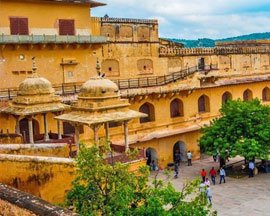
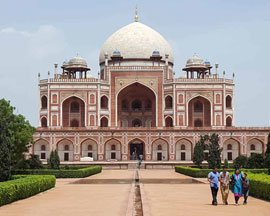
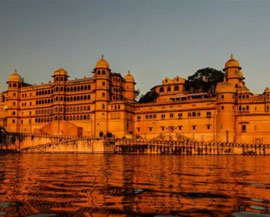
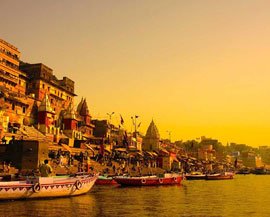
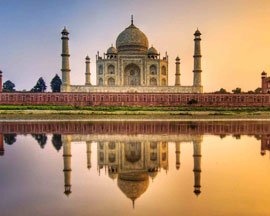

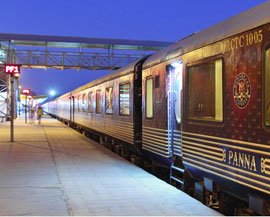
4.9/5 Out Of 211
Maharaja’s Express - Treasures of India
$ / Per Person
Delhi-Agra-Ranthambore-Delhi
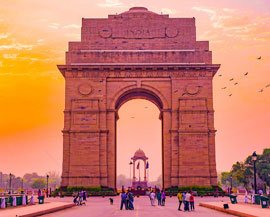
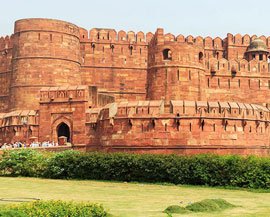

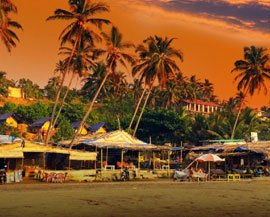

4.9/5 Out Of 255
Golden Triangle Tour With Khazuraho And Varanasi
$ / Per Person
Delhi-Jaipur-Fatehpur Sikri-Agra-Jhansi-Orchha-Khazuraho-Varanasi
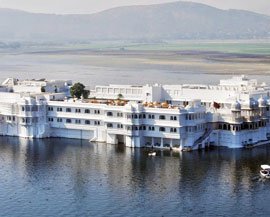
4.9/5 Out Of 219
Golden Triangle Tour With Varanasi And Udaipur
$ / Per Person
Delhi-Varansi-Jaipur-Agra-Fatehpur Sikri-Udaipur
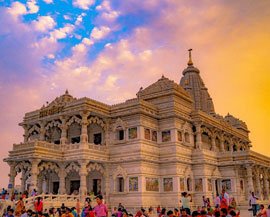
4.9/5 Out Of 255
Golden Triangle Tour With Mathura Vrindavan
$ / Per Person
Delhi-Agra-Mathura-Vrindavan-Fatehpur Sikri-Jaipur

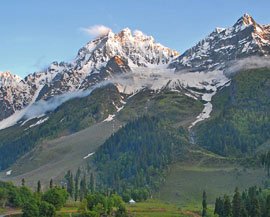
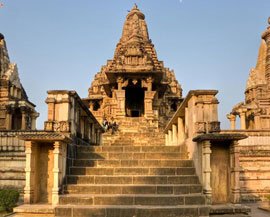
4.9/5 Out Of 255
Golden Triangle Tour With Khajuraho
$ / Per Person
Delhi-Jaipur-Fatehpur Sikri-Agra-Jhansi-Orchha-Khazuraho

4.9/5 Out Of 255
Golden Triangle Tour With Pushkar
$ / Per Person
Delhi-Agra-Fatehpur Sikri-Jhansi-Pushkar

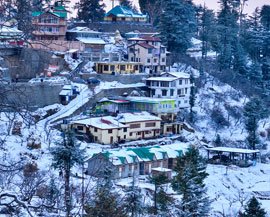
4.9/5 Out Of 255
Golden Triangle Tour With Shimla
$ / Per Person
Delhi-Jaipur-Fatehpur Sikri-Agra-Shimla
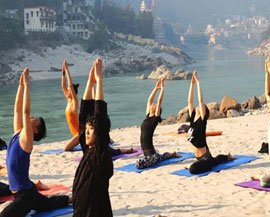
4.9/5 Out Of 255
Golden Triangle Tour With Yoga At Rishikesh
$ / Per Person
Delhi-Jaipur-Fatehpur Sikri-Agra-Mathura-Delhi-Haridwar-Rishikesh
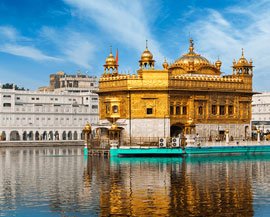
4.9/5 Out Of 255
Golden Triangle Tour With Amritsar 11 Days
$ / Per Person
Delhi-Agra-Jaipur-Amritsar


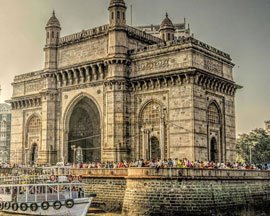
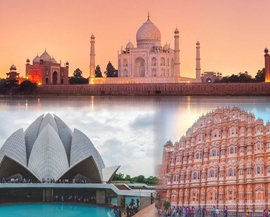
4.9/5 Out Of 255
4 Days Luxury Golden Triangle Tour to Agra and Jaipur from New Delhi
$ / Per Person
Delhi-Agra-Jaipur

4.9/5 Out Of 255
Golden Triangle Tour With Haridwar And Rishikesh
$ / Per Person
Delhi-Jaipur-Fatehpur Sikri-Agra-Mathura-Delhi-Haridwar-Rishikesh


4.9/5 Out Of 255
Golden Triangle Tour With Tiger Safari
$ / Per Person
Delhi-Agra-Jaipur-Ranthambore-Bandavgarh-Kanha-Pench
