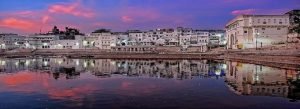
Tucked away in the northeastern region of Rajasthan lies a land that is often overlooked by tourists rushing toward Jaipur, Jodhpur, or Udaipur. But for those who dare to take the offbeat route, Shekhawati offers a treasure trove of art, history, and cultural richness. Known as the “Open-Air Art Gallery of Rajasthan,” Shekhawati is renowned for its ornately painted havelis (mansions) and stunning murals that cover the walls of buildings across its towns and villages. Here you can book Shekhawati Havelis and Murals tour.
If you are an art lover, history enthusiast, or cultural traveler, exploring the havelis and murals of Shekhawati will feel like walking through a living museum.
The Legacy of Shekhawati
The Shekhawati region includes towns such as Mandawa, Nawalgarh, Jhunjhunu, and Fatehpur. Between the 18th and early 20th centuries, this region flourished under the rule of wealthy merchant families, many of whom later moved to larger cities like Mumbai and Kolkata for trade. However, before they left, they built grand havelis adorned with detailed frescoes, murals, and architectural features that rival those in royal palaces.
These paintings weren’t just decorative, they told stories of mythology, daily life, colonial influence, and social customs. From tales of Ramayana and Mahabharata to portraits of British officers, trains, telephones, and even aeroplanes, the murals reflect the intersection of traditional India with the modern world of the time.
Famous Havelis to Explore
- Mandawa Havelis
Mandawa is the most popular town in Shekhawati, often used as a base for exploring the region. Some of the most famous havelis here include:
- Goenka Double Haveli – Known for its detailed frescoes of elephants, horses, and mythical figures.
- Murmuria Haveli – Unique for its modern frescoes of trains, British rulers, and even political leaders like Nehru.
- Nawalgarh Havelis
Nawalgarh is considered one of the best-preserved towns in Shekhawati.
- Poddar Haveli Museum – Converted into a museum, this haveli showcases not just beautiful murals but also traditional Shekhawati lifestyle and artifacts.
- Morarka Haveli – An elegant building known for its rich color palette and Rajput-style wall art.
- Fatehpur Havelis
Fatehpur houses the famous:
- Nadine Le Prince Haveli – A restored haveli owned by a French artist who has brought international attention to Shekhawati’s heritage.
- Jhunjhunu Havelis
Jhunjhunu, the largest town in the region, also offers a number of fresco-filled mansions like:
- Khetri Mahal, also called the “Wind Palace,” which is an architectural gem with open corridors and arched walls.
Themes in the Murals
One of the most fascinating aspects of Shekhawati’s havelis is the storytelling through art. Some recurring themes include:
- Hindu Mythology: Gods like Krishna, Rama, Shiva, and Ganesha appear frequently in various forms.
- Colonial Era: British soldiers, trains, and even scenes of ballroom dances find their way onto the walls.
- Social Life: Weddings, festivals, markets, and rural scenes are painted in vibrant detail.
- Modern Influences: Airplanes, clocks, and even European inventions became part of the artistic canvas.
These murals reflect a rich historical timeline and changing cultural influences over the years.
Preservation and Challenges
Unfortunately, many of these havelis are in various states of decay, due to a lack of maintenance, harsh weather, and migration of the original families. However, local trusts, private owners, and even foreign artists and historians are making efforts to restore and preserve these architectural wonders.
How to Reach Shekhawati
- By Air: The nearest airport is Jaipur International Airport (around 150–200 km from major Shekhawati towns).
- By Train: Jhunjhunu, Nawalgarh, and Sikar have railway stations connected to Jaipur and Delhi.
- By Road: Shekhawati is well-connected via roadways, and you can easily hire a cab or take a bus from Jaipur or Delhi.
Best Time to Visit
The best time to visit Shekhawati is during the winter months (October to March). When the weather is pleasant for sightseeing and walking tours.
Conclusion
Shekhawati is not just a destination, it’s a canvas of forgotten grandeur, painted stories, and artistic brilliance. For those seeking an offbeat experience in Rajasthan, away from the usual forts and deserts. Shekhawati offers a rich and colorful journey into the past. Each haveli you step into, each mural you observe, adds a new layer to the story of India’s incredible cultural heritage.